
Lieferung heute & morgen

Qualitätsgarantie

Willkommens-Angebote freischalten: KOSTENLOSE Lieferung | Bis zu 80 % RABATT | Kostenlose 30-Tage-JoyPlus-Testphase
App herunterladen
A sugar-free drink powder can easily add flavour to water, milk or plant-based alternatives. Individual drink sticks are particularly practical for the office, sport, school or when you are out and about. Even so, it is worth taking a close look at the preparation method, sweeteners and caffeine content before buying. Not every package labelled “sugar-free” will automatically suit your dietary preferences.
Sugar-free products can contain sweeteners such as sucralose, acesulfame-K or polyols. Many instant drink powders are low in energy, but you should always check the specific information on the packaging. If the powder is mixed with milk, yoghurt or a plant-based alternative, some of the calories and sugar may come from the base product.
Depending on the variant, one stick may be intended for 0.25 litres, 0.5 litres or up to 1 litre of water. Using too little liquid will result in a much more intense drink. This affects both flavour and tolerance. When using drink powder for water, always follow the recommended dosage.
A sugar-free iced tea may contain tea extract, while an energy drink powder may also contain caffeine and taurine. This is a key difference compared with caffeine-free fruit drinks. The manufacturer’s guidance is particularly important for young people, pregnant women, breastfeeding women and anyone sensitive to caffeine. A product containing 52 mg of caffeine per serving should not be treated as equivalent to a caffeine-free drink powder.
First, establish what the powder will be mixed with:
For the INSTICK milk variants described here, one stick is mixed with approximately 0.5 litres of milk or a plant-based alternative. The strawberry-vanilla product can also be used to flavour yoghurt, skyr, quark and desserts. According to the product information, the mixture may be heated to a maximum of 120 °C.
“Vegan” refers to the recipe and does not automatically cover every possible production environment. If you have allergies, check the current packaging for information about traces and cross-contamination. With a vegan drink powder, the liquid used and any additional ingredients are also important: cow’s milk is not vegan, whereas oat, soya or almond drinks may be suitable depending on the recipe.
Sweeteners should also be taken into consideration. Sucralose and acesulfame-K are commonly used in sugar-free drinks. For sensitive individuals, an unfamiliar formulation may cause digestive discomfort. The powder should not be consumed dry; dissolve it fully in the specified liquid instead.
A drink powder with vitamin C may supplement the recipe with L-ascorbic acid. However, this should not be taken as an indication of any medical or therapeutic benefit. The nutritional and ingredient information on the packaging remains decisive.
Serving size is also relevant for everyday use. A mixed pack with twelve sticks, each making 0.5 to 1 litre, offers more flexibility when it comes to flavour intensity. By contrast, an energy drink powder with twelve servings of 0.25 litres each is more concentrated and, according to the manufacturer’s information, contains around 52 mg of caffeine per serving.
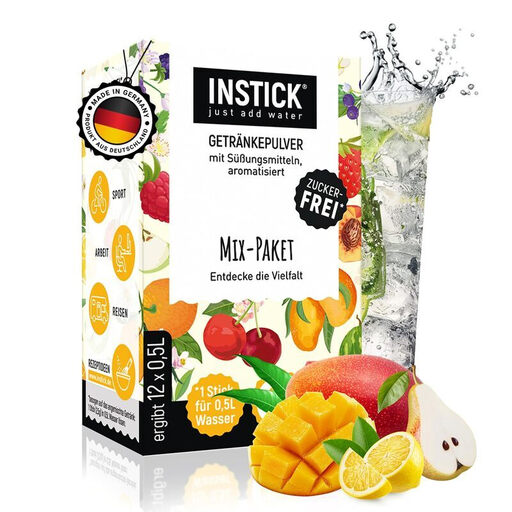
Why this product suits this profile: Twelve different fruit flavours offer an easy introduction without having to commit to a single variety straight away. One stick is intended for 0.5 to 1 litre of water.
The dosage is clearly stated. The comparatively large volume of water helps prevent the flavour from becoming too concentrated by mistake.
Sugar-free, vegan and caffeine-free, and listed as containing vitamin C according to the product information. The sticks are suitable for still or sparkling water.
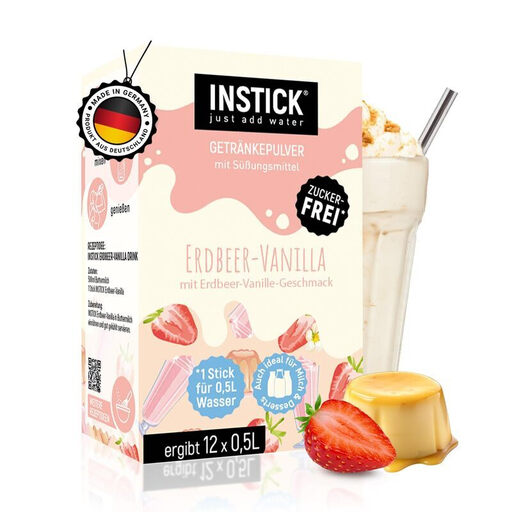
Why this product suits this profile: This variant is designed for milk, yoghurt, skyr, quark and plant-based alternatives. It makes it easy to incorporate drink powder into your everyday cooking and meal preparation.
Its intended use is clearly defined: according to the product description, the powder is not primarily for water, but for milk products and plant-based alternatives.
One stick makes approximately 0.5 litres of the chosen base product. According to the manufacturer, the recipe is vegan, sugar-free, caffeine-free and lactose-free.
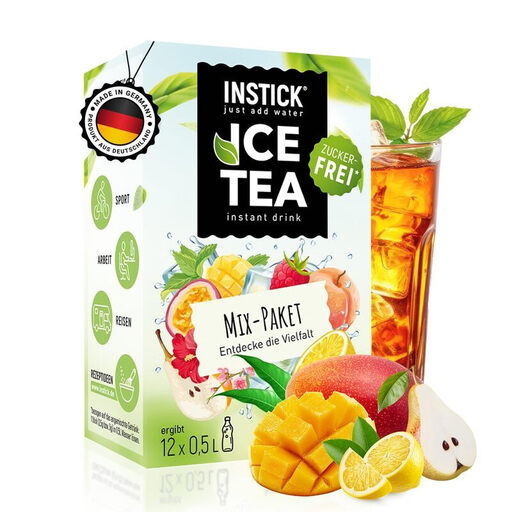
Why this product suits this profile: Eight different iced tea flavours in twelve sticks provide variety for the office, leisure time and when you are out and about. Mix the powder with 0.5 to 1 litre of water.
The low caffeine content from green or black tea extract is clearly stated. This makes it easier to distinguish the product from caffeine-free varieties.
According to the product information, it is sugar-free, vegan and lactose-free, and contains vitamin C. The sticks can be mixed with still or sparkling water.
We have put together a complete, regularly updated list of products that fully meet these strict selection criteria and the safety regulations applicable in the EU.
For an even result, first add the powder to part of the liquid, then stir or shake thoroughly. When using sparkling water, add the powder slowly, as the carbonation can cause foaming. Keep drink sticks dry and sealed until use. Store the products in a cool, dry place away from direct sunlight, as stated on the packaging.
If you regularly prepare a low-calorie drink, you should also compare the cost per litre. To do this, compare the pack price with the actual quantity of drink that can be prepared. A stick for 1 litre may work out cheaper than a 0.25-litre serving, even if both packs contain a similar number of sticks.
No. The powders themselves often provide very little energy, but the milk, plant-based drink or yoghurt used may contain calories and natural sugar. The nutritional information for the prepared drink or the entire serving is what matters.
Shelf life varies by product. In the information available here, approximately 365 or 730 days from manufacture are stated, depending on the variant. Always follow the best-before date, batch information and packaging. Opened sticks should be used promptly and protected from moisture.
No. Fruit powders and sugar-free iced tea are generally intended for water. Milk drink powder, on the other hand, is specially formulated for milk, yoghurt, skyr, quark or plant-based alternatives. Before buying, check which base liquid is recommended.