
Lieferung heute & morgen

Qualitätsgarantie

Willkommens-Angebote freischalten: KOSTENLOSE Lieferung | Bis zu 80 % RABATT | Kostenlose 30-Tage-JoyPlus-Testphase
App herunterladen
The search for sugar-free drinks is more than just a trend—it's a conscious lifestyle choice where enjoyment and well-being go hand in hand. But the market is confusing and full of promises. As your Joybuy Product Recommendation Officer, I'll help you separate the wheat from the chaff and find products that deliver on their claims. We'll highlight the common pitfalls and show you what really matters when making your choice.
Many consumers are disappointed because their expectations aren't met. This is often due to clever marketing that distracts from the product's actual properties.
To make an informed decision, you need to look beyond the front of the package. The following three points are crucial for a drink's quality and suitability.
The term "sugar-free" means that alternative sweeteners are used instead of sucrose (table sugar). These have few to no calories. The choice and combination of sweeteners are decisive for the taste.
Your choice depends on your habits and priorities. Both formats have clear pros and cons.
A look at the fine print is essential. Don't just check for 0g of sugar. Also, examine the calorie content (kcal/kJ), salt content, and the list of additives like colourings, acidifiers, and preservatives. This gives you a complete picture of the product and helps you avoid unwanted ingredients, which is particularly relevant for diet drinks.
To make your decision easier, we've matched some products to different user profiles.

Why This Fits Their Persona: Ideal for anyone who loves the iconic cola taste but wants to skip the sugar and calories. The bulk pack is perfect for stocking up at home, for parties, or for the office.
This product avoids the taste compromise with a carefully balanced blend of sweeteners that comes very close to the original flavour and prevents an artificial aftertaste.
Full flavour without sugar and calories. The convenient 1.25-litre bottle is a good compromise between bulk supply and easy handling.
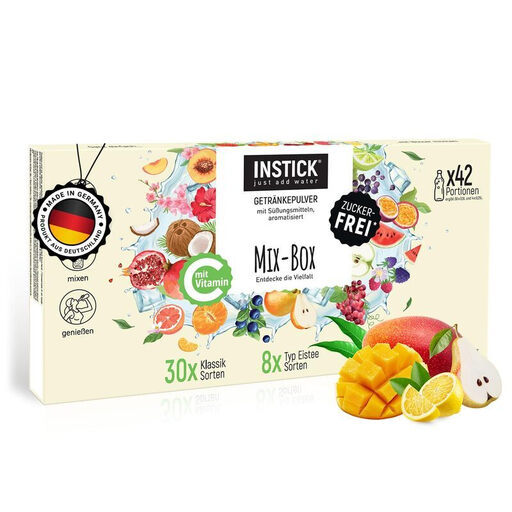
Why This Fits Their Persona: Perfect for anyone who loves variety and wants to reduce costs and packaging waste. With 42 different flavours in one set, the whole family can discover their favourites.
This set solves the taste compromise problem by offering immense variety. Instead of committing to one large bottle, you can sample affordably and control the intensity yourself.
Maximum flexibility and variety. The sticks are practical for on-the-go, and the powder is very high-yield, making it an economical choice.
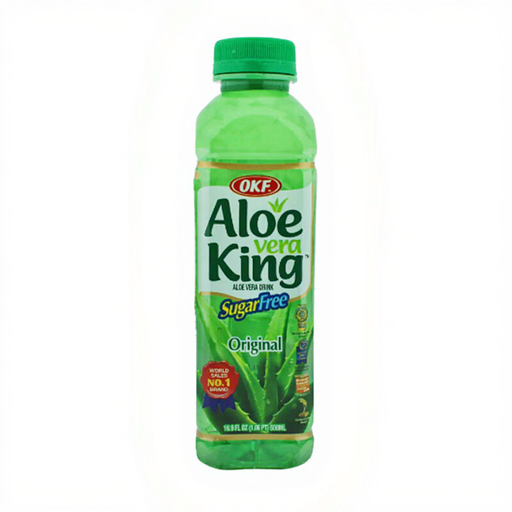
Why This Fits Their Persona: For anyone looking for a change from classic sugar-free soft drinks. This beverage offers a unique mouthfeel with real aloe vera pieces and a subtle, natural flavour.
It doesn't try to copy a sugary soda. Instead, it offers its own unique, refreshing experience, thus avoiding direct taste comparisons and the potential disappointment that comes with them.
A unique drinking experience with pulp pieces. A welcome, calorie-free alternative to water and conventional sugar-free soda.
We've compiled a complete, up-to-date list of products that meet these strict selection criteria.
1. Are sugar-free drink syrups a cost-effective alternative? Yes, in most cases, they are significantly more cost-effective. A concentrate like the Vital Drink from Best Body Nutrition has a mixing ratio of 1:80. This means you can make 80 litres of a finished drink from one litre of syrup. Calculate the price per litre to make a direct comparison with ready-to-drink beverages. For regular consumption at home, this is almost always the more economical choice.
2. How can I find sugar-free drinks that don't taste artificial? The taste perceived as "artificial" often depends on the type and concentration of the sweeteners. A good strategy is to try products with different sweetener combinations. Some people prefer the taste of sucralose, while others prefer stevia blends. Starter sets like the INSTICK Mix-Box are a great way to test different flavours and formulas without committing to a large quantity.
3. What's the difference between the various sweeteners? Without making any medical assessments, the most common sweeteners can be distinguished by their properties. Aspartame and acesulfame-K are synthetic sweeteners that are often combined to mimic the taste of sugar. Sucralose is made from sugar but is calorie-free and often described as having a very sugar-like taste. Steviol glycosides are extracted from the stevia plant and are considered a plant-based alternative. Personal taste perception can vary with each sweetener.