
Lieferung heute & morgen

Qualitätsgarantie

Willkommens-Angebote freischalten: KOSTENLOSE Lieferung | Bis zu 80 % RABATT | Kostenlose 30-Tage-JoyPlus-Testphase
App herunterladen
Sugar-free drinks are a practical way for many households to reduce their sugar intake without giving up cola, orange, tea or fruit flavours. At the same time, there is plenty of choice: Zero Sugar drinks, low-calorie drinks, powders, syrups and multipacks can differ considerably in their ingredients, serving sizes and storage requirements.
To avoid spending more than necessary, it is worth looking beyond the front of the packaging. As a Joybuy Product Recommendation Officer, I filter the key information and show which type of product suits which lifestyle.
The term “sugar-free” refers to the sugar content, not necessarily to all carbohydrates or the taste. According to the information provided for the individual products, many sugar-free soft drinks contain 0 to 1 kcal per 100 ml. However, some fruit drinks may list small amounts of sugar or carbohydrates.
One example is Fanta Zero Sugar Orange: according to the product information, the drink contains 0.3 g of sugar per 100 ml and 3 kcal. This can still be marketed as a sugar-free product, but it should be checked against the nutrition table. If you want to compare products precisely, always look at the values per 100 ml, rather than relying only on marketing claims such as “light” or “zero”.
Sugar-free drinks are often sweetened with sweeteners such as aspartame, acesulfame-K, sucralose, cyclamate or saccharin. For products containing aspartame, the statement “contains a source of phenylalanine” is relevant. People with the corresponding intolerance should check the packaging information particularly carefully.
Cola varieties such as Cola Zero also usually contain caffeine. The same applies to certain drink powders. A sugar-free product is therefore not automatically caffeine-free or suitable for everyone and every time of day.
A multipack can be practical, but bottle sizes and total volumes vary considerably. For example, 24 cans of 330 ml make up 7.92 litres, while six PET bottles of 1.25 litres contain 7.5 litres. You should therefore compare:
For offices, families or parties, a multipack of drinks can be a sensible choice. If consumption is low, concentrates or instant portions are often easier to plan.
Start by checking the energy, sugar and carbohydrate values per 100 ml. For drink powders and syrups, the relevant figure is the value for the prepared drink, not the concentrate. A product may appear very high in energy in concentrated form, but contain considerably less energy per serving once diluted correctly.
Also look out for:
Chilled cans, bottles or drink pouches are suitable for drinking straight away. Sugar-free drink concentrate reduces packaging volume and can be mixed with still or sparkling water. The stated mixing ratio, such as 1:80, is crucial for the taste, yield and cost.
A sugar-free instant drink is particularly practical for taking with you or keeping at your desk. For powders intended for milk, yoghurt, skyr or quark, you should take the base ingredient into account: the finished drink is not automatically calorie-free, as milk or plant-based alternatives have their own nutritional values.
Unopened soft drinks can generally be stored in a dry place away from direct sunlight. Once opened, recommendations vary depending on the product, such as refrigeration and consumption within a few days. Powder sticks should be kept dry and opened only immediately before preparation. Concentrates often need to be refrigerated after opening.

Why this product suits this profile: The six 1.25-litre bottles are ideal for households and offices that drink cola regularly and can use up the pack’s total volume efficiently.
The product information states 0.2 kcal and 0 g of sugar per 100 ml. Nevertheless, the ingredients list and the caffeine and phenylalanine information should be checked before buying.
7.5 litres of total volume, ready-to-drink bottles and a stated energy content of 0.2 kcal per 100 ml.
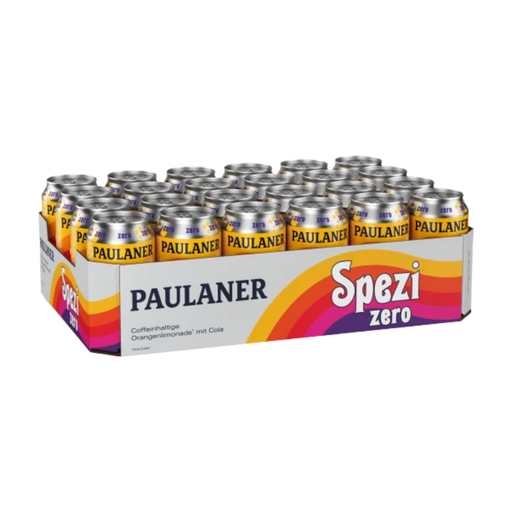
Why this product suits this profile: The 24 glass bottles of 0.33 litres offer a clearly portioned solution for meals, guests and keeping drinks in stock at home.
The individual 0.33-litre portion reduces the risk of storing a large bottle for too long after opening. The total weight and storage space required should be planned in advance.
24 glass bottles, a cola-orange flavour and, according to the product information, 0 g of sugar and 0 kcal per 100 ml.
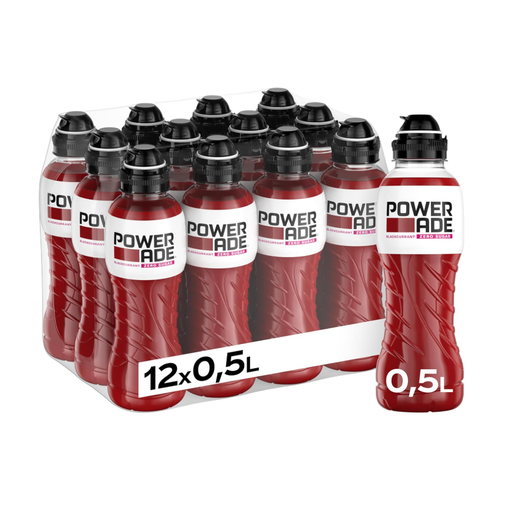
Why this product suits this profile: The 0.5-litre bottles are portioned for training, competition days or keeping in stock at a sports club, and are ready to drink straight away.
The nutrition information states 0 g of sugar and 1.43 kcal per 100 ml. Sodium, sweeteners and vitamin B6 content should nevertheless be included when checking the ingredients and nutrition information.
12 ready-to-drink bottles, a natural blackcurrant flavour according to the product description and stated sodium content.

Why this product suits this profile: This concentrate is ideal for people who want to mix drinks as needed and prepare different quantities for the home, office or sparkling water maker.
The stated dilution ratio of 1:80 makes the expected yield easy to understand. The concentrate must not be consumed undiluted and should be stored in the fridge after opening.
1-litre bottle, 1:80 mixing ratio and suitability for preparation with still or sparkling water.
We have put together a complete, regularly updated list of products that fully meet these strict selection criteria and the safety regulations applicable in the EU.
No. Many Zero Sugar drinks contain very little energy, but not every product is completely calorie-free. Fruit juice ingredients, carriers or the base used can increase the value. The nutrition table per 100 ml or per prepared serving is what matters.
That depends on the packaging. According to the relevant product information, PET bottles often need to be refrigerated and consumed within around three days. Cans and small drink pouches are generally portioned for immediate consumption. For powders and syrups, follow the manufacturer’s instructions; opened drink concentrate should often be refrigerated and used within the stated period.
Not necessarily. Sugar-free energy drinks may contain caffeine. The INSTICK Energy Drink mentioned above states that it contains 52 mg of caffeine per serving; according to the description, the product is intended for adults. The packaging guidance should be followed for children, young people, pregnant people and breastfeeding people, and caffeinated products should be avoided accordingly or assessed on an individual basis.