
Lieferung heute & morgen

Qualitätsgarantie

Willkommens-Angebote freischalten: KOSTENLOSE Lieferung | Bis zu 80 % RABATT | Kostenlose 30-Tage-JoyPlus-Testphase
App herunterladen
The search for refreshing flavour without the downsides of sugar leads many people to sugar-free drinks. But the market is crowded and filled with products whose labels promise more than they deliver. Before you make a decision, it's crucial to understand the most common pitfalls that can lead to a poor choice.
As your Joybuy Product Recommendation Officer, I'm here to help you separate the relevant facts from marketing hype. We'll look at what really matters so you can make an informed decision.
To ensure you find the right product for your needs, you should check three core parameters. These will help you objectively assess a drink's quality and suitability.
The type of sweetener affects the taste and suitability for certain groups of people. Common sweeteners in zero-sugar drinks and light drinks include:
In addition to sweeteners, look for acidulants (e.g., citric acid), natural flavours, and any added vitamins. A short, easy-to-understand ingredient list is often a good sign.
The choice of format depends on your lifestyle. Each has specific pros and cons:
The crucial information is the calorie content of the finished drink, not the powder or concentrate. Reputable manufacturers provide the nutritional values for 100 ml of the product prepared according to instructions. This allows you to compare low-calorie drinks directly and fairly, ensuring your diet drink truly fits into your nutritional plan.
Here are some recommendations tailored to different needs and usage scenarios.
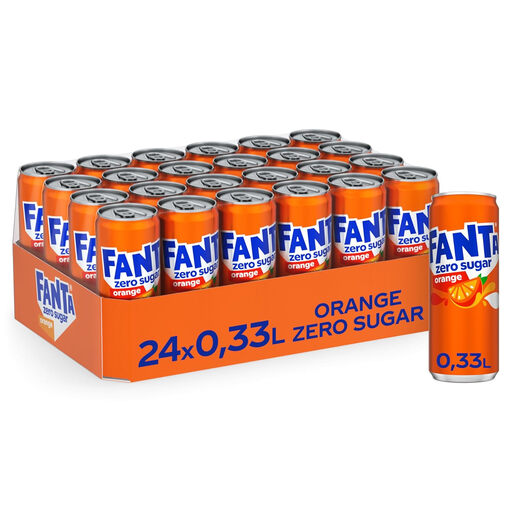
Why it's a good fit: For anyone who wants to enjoy the classic taste of orange soda without the sugar and without any hassle. The convenient cans are perfect for on-the-go, for the family, or as a simple refreshment for any occasion.
As a ready-to-drink beverage, there's no ambiguity in preparation. The nutritional information per 100 ml is clearly stated and directly applicable, avoiding the "hidden calorie" trap.
Maximum convenience: Ready to drink instantly, no mixing required. Familiar, fruity taste with minimal calories.
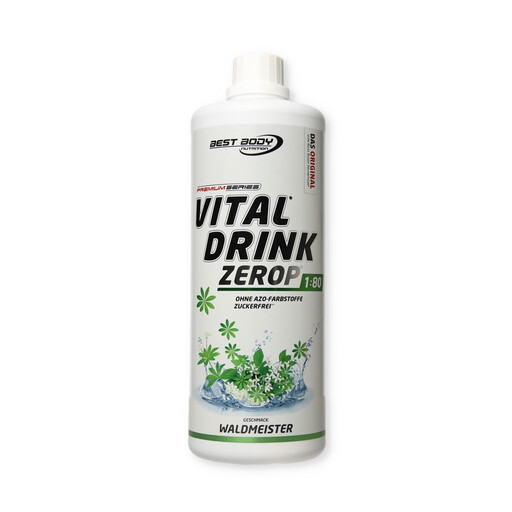
Why it's a good fit: Perfect for households or individuals with high beverage consumption. This syrup is extremely high-yield, significantly lowering the cost per litre while also reducing packaging waste. Ideal for use with soda makers.
The clear mixing ratio of 1:80 makes cost calculation transparent and bypasses the yield trap. You know exactly how many litres of drink you'll get from one bottle.
Very high yield (1 litre of concentrate makes 80 litres of finished drink), resulting in a very low price per litre. Also fortified with vitamins.
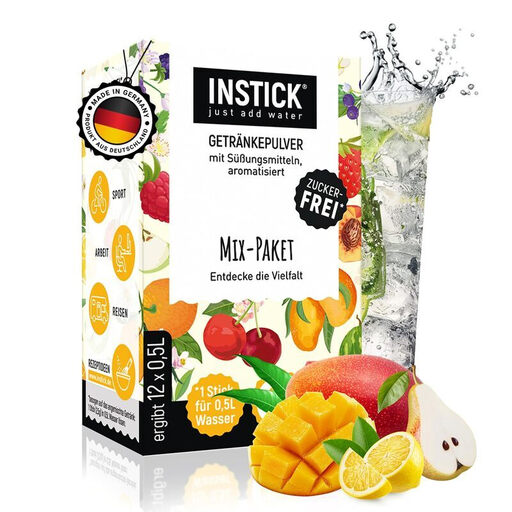
Why it's a good fit: For anyone who loves variety and doesn't want to be tied to a single flavour. The handy sticks are perfect for sports, the office, or travel, allowing you to try different varieties before committing to a bulk purchase.
This trial pack prevents the mistake of buying a large quantity of a syrup or powder that you might not like. The dosage per stick is clearly defined, ensuring consistent preparation.
Great flavour variety (12 types) in one pack. Highly portable, vegan, and fortified with Vitamin C. Ideal for getting to know the brand.
We have compiled a comprehensive, up-to-date list of products that meet these strict selection criteria and German regulations.
Not necessarily. While most zero-sugar drinks like sodas have close to zero calories, drink powders or syrups can contain small amounts of calories from other ingredients like maltodextrin. According to EU regulations, the term "sugar-free" means the product contains no more than 0.5 g of sugar per 100 ml or 100 g. A look at the "Energy" value in the nutritional table provides the definitive answer.
The most common sweeteners are aspartame, acesulfame-K, and sucralose. They are often combined to achieve a well-rounded, sugar-like taste. All sweeteners approved in the EU have been deemed safe by the European Food Safety Authority (EFSA). The main difference lies in their taste profile and specific labelling requirements, such as the phenylalanine warning for aspartame.
After opening, a sugar-free drink syrup should generally be stored in the refrigerator. Most manufacturers recommend consuming the product within 4 to 8 weeks to ensure the best flavour quality. You can find specific details on the product's label. Sugar-free concentrates are preserved by sweeteners and acidulants, but they are not indefinitely shelf-stable.