
Lieferung heute & morgen

Qualitätsgarantie

Willkommens-Angebote freischalten: KOSTENLOSE Lieferung | Bis zu 80 % RABATT | Kostenlose 30-Tage-JoyPlus-Testphase
App herunterladen
By a Joybuy Product Recommendation Officer
The demand for sugar-free drinks is continuously rising. Consumers are seeking alternatives to traditional, sugary soft drinks, whether for health reasons, to support athletic performance, or as part of a specific diet. This article provides an objective analysis of the criteria relevant for selecting sugar-free drinks and presents a selection of products based on their technical specifications.
The term "sugar-free" is clearly defined by EU Regulation (EC) No 1924/2006: a product can be labelled as sugar-free if it contains no more than 0.5 grams of sugar per 100 ml or 100 g. This is different from "no added sugar," which simply means that no sugar or sweetening mono- or disaccharides have been added to the product, but it may still contain naturally occurring sugars (e.g., from fruit).
For an informed purchasing decision, the following technical parameters should be considered:
Since no sugar is used, alternative sweeteners come into play. These can be divided into different categories and have distinct properties:
The choice of sweetener influences the drink's flavour profile and mouthfeel.
Many sugar-free beverages are fortified with other components to serve a specific purpose:
A look at the nutrition facts table is essential. Low-calorie drinks typically have an energy value close to zero. Pay attention to the values per 100 ml to compare products objectively. The relevant values are:
The following selection is based on an analysis of product composition and intended use case.
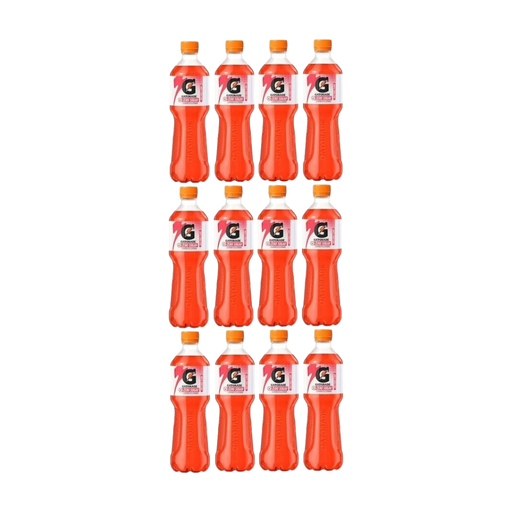
Why we recommend this product: Gatorade Zero is designed as a sugar-free thirst quencher for use during physical activity. The formulation focuses on delivering electrolytes (sodium) to support hydration. The added vitamins niacin (B3) and B6 are known for their role in energy metabolism. The product offers the characteristic fruit punch flavour without sugar and calories.
Advantages:
Who it's for: This drink is primarily aimed at athletes and active individuals who want to replenish their fluid and electrolyte stores during or after training without consuming sugar or significant calories.
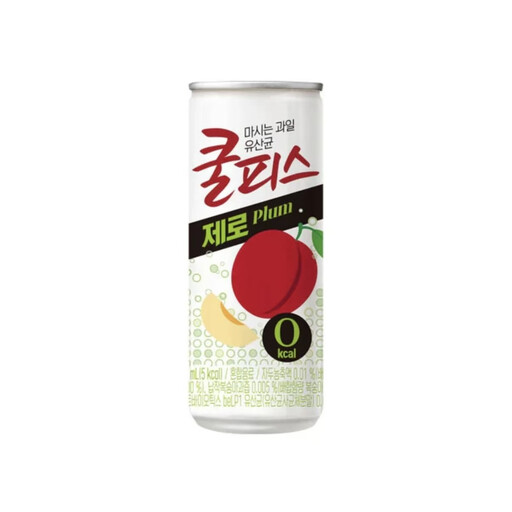
Why we recommend this product: Coolpis Zero Plum offers an exceptional flavour profile popular in Korean cuisine. The combination of plum and peach juice concentrate creates a sweet and sour taste. A distinguishing feature is the addition of postbiotic lactic acid bacteria (Lactobacillus acidophilus mycelium powder). The drink is sugar-free and low in calories, making it an interesting option for everyday enjoyment.
Advantages:
Who it's for: Consumers looking for new and unconventional taste experiences. It is suitable as a sugar-free soft drink for daily life and as a complement to meals, especially Asian cuisine.
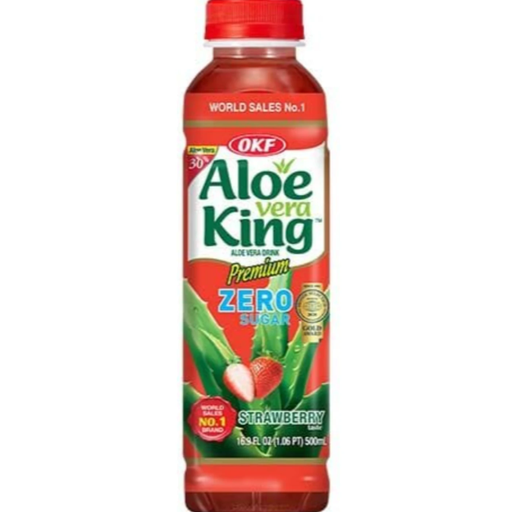
Why we recommend this product: This drink combines the properties of aloe vera with a fruity strawberry flavour. According to the manufacturer, real aloe vera gel is used, which is known for its hydrating properties. The sugar-free formulation makes it a light and refreshing alternative to water or sugary juices.
Advantages:
Who it's for: Individuals looking for a flavourful yet light hydration option. It appeals to health-conscious consumers who appreciate the texture of aloe vera drinks and prefer a sugar-free version.
The products presented here represent a snapshot of the market for sugar-free drinks. For consumers seeking a broader range of flavour alternatives, especially in the realm of fruit-based beverages, our Fruit Juice Drink category offers a comprehensive overview. There you will find more products that you can filter and compare according to your individual preferences.
1. What exactly does "sugar-free" mean for drinks? According to EU Regulation (EC) No 1924/2006, a beverage can be labelled "sugar-free" if it contains a maximum of 0.5 g of sugar per 100 ml. This includes all mono- and disaccharides. The taste is instead achieved through the use of sweeteners.
2. Are zero-calorie drinks suitable for a diet? Zero-calorie drinks generally contain no or very few calories because they use calorie-free sweeteners instead of sugar. For this reason, they can be an alternative to sugary drinks as part of a calorie-controlled diet, providing flavoured hydration without significantly impacting your calorie intake.
3. What sweeteners are used in sugar-free drinks? Commonly used sweeteners are high-intensity sweeteners like sucralose, acesulfame-K, aspartame, and steviol glycosides. These substances have a sweetening power many times greater than sugar and are therefore only needed in very small amounts. The exact composition is always listed in the ingredients list on the product label.