
Lieferung heute & morgen

Qualitätsgarantie

Willkommens-Angebote freischalten: KOSTENLOSE Lieferung | Bis zu 80 % RABATT | Kostenlose 30-Tage-JoyPlus-Testphase
App herunterladen
Sugar-free energy drinks are a practical alternative to traditional sugary versions for many adults. Even so, it is worth taking a close look at the label, serving size and pack quantity. Terms such as “Zero”, “Sugarfree” or “low calorie” alone do not tell you how much caffeine a can contains, which sweeteners are used or whether a multipack suits your actual needs.
As a Joybuy Product Recommendation Officer, I filter the most important product details and show which options suit different everyday situations – without making advertising claims about unproven effects.
A sugar-free energy drink may still contain small amounts of energy. For the products considered here, the figures are generally around 2 to 3 kcal per 100 ml. In a 500-ml can, this adds up accordingly. That is why it is important to check the nutrition table per 100 ml and per serving.
Many cans contain 32 mg of caffeine per 100 ml. This means a 500-ml can contains around 160 mg of caffeine. Smaller 250-ml cans contain roughly half that amount at a comparable concentration. If you drink several cans a day or also consume coffee, you should take your total intake into account.
Caffeinated energy drinks are not intended for children or young people. Pregnant and breastfeeding women, as well as people who are sensitive to caffeine, should follow the relevant warnings. If you are unsure, individual medical advice may be appropriate. Energy drinks should also not be combined with alcohol.
An energy drink multipack can reduce the need for individual purchases and make it easier to keep supplies stocked. However, the formats differ considerably:
Before buying, you should also check whether the cans can be stored somewhere cool and dry, protected from direct sunlight.
Look for the wording “Sugar: 0 g” in the nutrition table. Sweeteners such as sucralose, acesulfame K or – depending on the product – aspartame replace sugar, but do not automatically produce the same taste. A zero-sugar energy drink may therefore taste sweeter, fruitier or less sweet depending on the recipe.
For powders, the prepared drink is also decisive. For example, one stick may be intended for 250 ml of water. Using more or less water changes both the concentration and the taste.
An energy drink containing caffeine, taurine and B vitamins is not automatically equally suitable for every purpose. Check the following:
According to the product information, one INSTICK stick contains 52 mg of caffeine and 640 mg of taurine and makes 250 ml of drink. For canned drinks, the values refer directly to the respective packaging. As recipes and labelling may vary depending on the market or bottling facility, the information on the packaging you receive should always take precedence.
Small cans or powder sticks are easy to portion for work, studying or when you are out and about. A 12- or 24-pack may be more practical for gaming evenings or regular use. If you prefer a classic taste, Original or Cola varieties are likely to be a better choice. Fruity flavours such as mango, strawberry, peach or berries offer a different taste profile, without this implying any ranking in terms of quality.
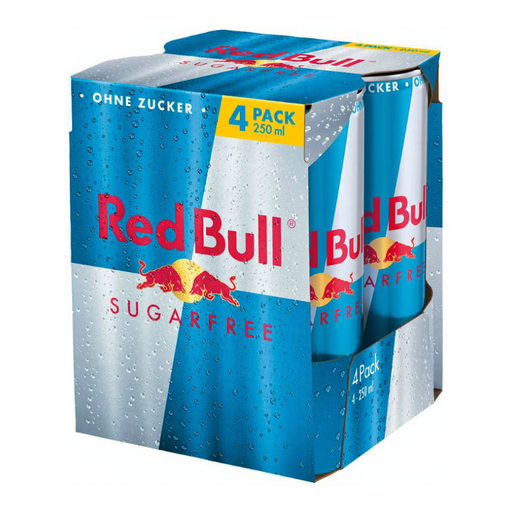
Why this product suits the profile: The 4-pack of 250-ml cans keeps your supply manageable and is a good way to try a sugar-free energy drink.
The smaller pack reduces the risk of buying more than you need or choosing a flavour profile that does not suit you.
4 × 250 ml, sugar-free according to the product information, around 3 kcal per 100 ml.
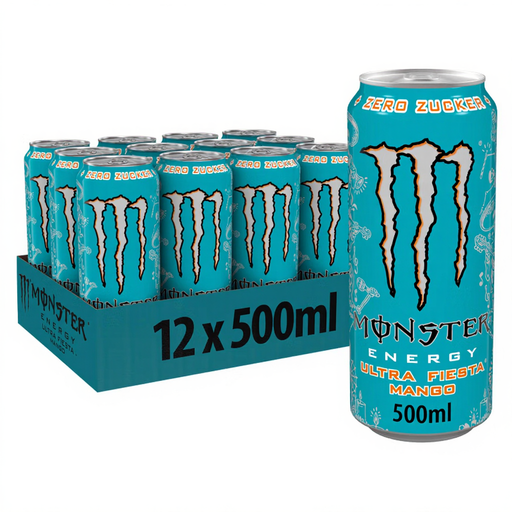
Why this product suits the profile: This 12-pack combines 500-ml cans with a clearly stated mango flavour and zero-sugar recipe.
The nutrition information states 0 g of sugar and 3 kcal per 100 ml, making it possible to assess the choice using specific figures.
12 × 500 ml, 6 litres in total, taurine and B vitamins according to the ingredients list.
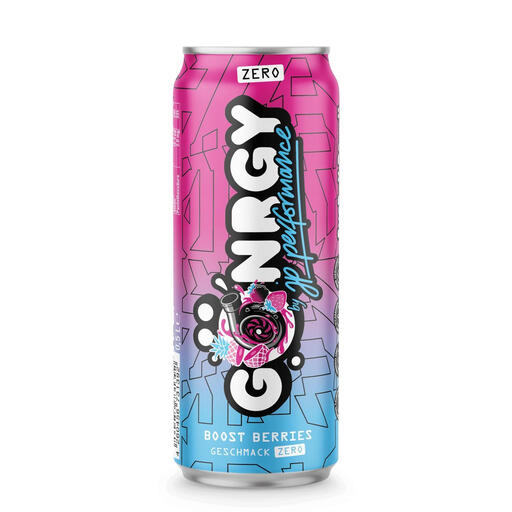
Why this product suits the profile: This 24-pack is designed for regular use while gaming, studying, doing sport or when you are out and about.
The pack quantity is clearly stated. However, you should check the current ingredients list and nutrition table on the can before buying.
24 × 500 ml, 12 litres in total, fruity berry and pineapple profile according to the product description.
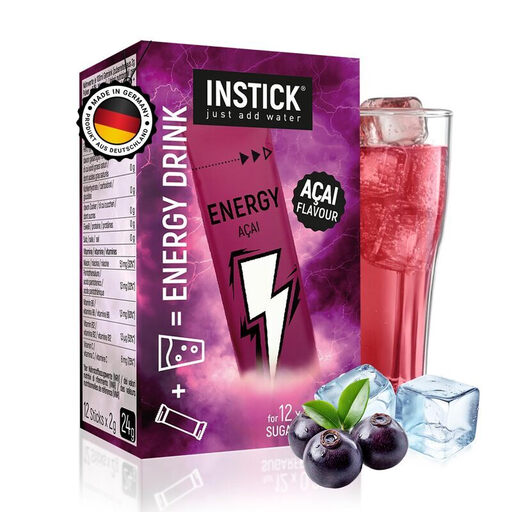
Why this product suits the profile: The vegan energy drink powder is mixed portion by portion with still or sparkling water, so you do not need to carry cans of drink with you.
The serving size is set at one stick for 250 ml. This prevents unclear mixing ratios; the powder must not be consumed dry.
12 sticks, vegan and gluten- and lactose-free according to the manufacturer; 52 mg of caffeine per serving.
We have put together a complete, regularly updated list of products that fully meet these strict selection criteria and the safety regulations applicable in the EU.
The best-before date is shown on the can or packaging. Unopened cans should be stored in a cool, dry place protected from direct sunlight, in accordance with the storage instructions. Opened cans should be consumed promptly and not stored for extended periods.
No, the specific nutritional information is what matters. Many products in this selection contain around 2 to 3 kcal per 100 ml. For powders, the prepared serving is the relevant figure. You should also check the carbohydrate and sugar content per 100 ml and per serving.
For occasional consumption, a 4-pack with 250 ml cans is manageable. For regular use, 12- or 24-packs are suitable if you have enough storage space. Individual powder sticks are space-saving for commuting, travelling or sports bags. With every option, you should consider your total daily caffeine intake from all drinks together.