
Lieferung heute & morgen

Qualitätsgarantie

Willkommens-Angebote freischalten: KOSTENLOSE Lieferung | Bis zu 80 % RABATT | Kostenlose 30-Tage-JoyPlus-Testphase
App herunterladen
By Joybuy Product Recommendation Officer, published on August 28, 2026
The search for sugar-free foods can feel like navigating a labyrinth of marketing promises. Products advertise claims like "no added sugar" or "low sugar," but what do these labels really mean? Many consumers discover after their purchase that their supposedly healthy snack doesn't align with their dietary goals. This guide will help you avoid the most common pitfalls and make an informed choice.
To avoid falling into these traps, a close look at the packaging is essential. Two areas are of central importance.
The ingredients are listed in descending order by weight. Don't just look for the absence of "sugar," but also for other sweetening ingredients.
If you are specifically looking for vegan sweets or other special low-carb foods, the ingredient list is your most important tool for identifying animal-based components or hidden carbohydrates.
The nutrition facts table provides objective data. The key line item for evaluating sugar is "of which sugars" under the total value for "Carbohydrates."
A muesli with no added sugar can still contain 20 g of sugar or more per 100 g due to a high proportion of dried fruits.
Instead of making blanket recommendations, we have selected products for specific user profiles. This makes it easier for you to find what truly fits your lifestyle when you want to buy healthy snacks.
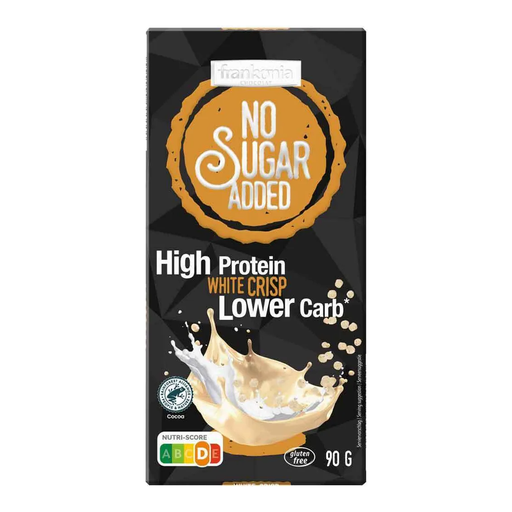
Why This Fits Their Persona: Ideal for athletes or individuals looking for a high-protein snack that satisfies sweet cravings without increasing sugar intake. Fits well into a low-carb diet plan.
This product bypasses the calorie trap by compensating for the lack of sugar with a high protein content (30 g per 100 g), which contributes to satiety. It is clearly declared as "no added sugar" and uses maltitol as a sweetener.
High protein content to support muscle maintenance; crunchy texture from protein crispies; creamy white chocolate flavour.
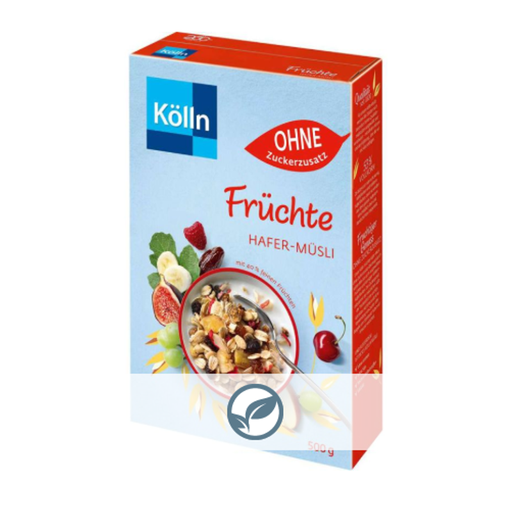
Why This Fits Their Persona: Perfect for families and individuals seeking a nutritious breakfast without added industrial sugar. The natural sweetness comes exclusively from a high fruit content.
This muesli avoids the "no added sugar" trap through transparency. It clearly communicates that the sweetness comes from the fruit. The nutrition table openly displays the natural sugar content (22 g/100 g), allowing the consumer to make a conscious decision.
High fibre content (7.8 g/100 g) for long-lasting satiety; 51% whole grain oat flakes as a base; no artificial flavours.
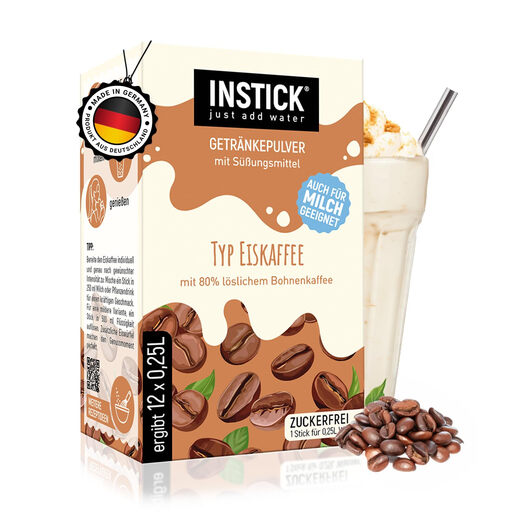
Why This Fits Their Persona: For anyone who wants full control over the sweetness of their drinks and meals. Ideal for adding flavour to water, yoghurt, quark, or milkshakes without adding sugar or unnecessary calories.
This product is the direct solution to the hidden sugar trap. It is explicitly sugar-free and low-calorie. The user decides what to use it for, thus avoiding ready-made products with unwanted ingredients.
Extremely versatile; 100% vegan; sweetened with sucralose; developed and manufactured in Germany.
We have compiled a complete, up-to-date list of products that fully meet these strict selection criteria and German regulations.
1. What does "no added sugar" really mean? This label means that no monosaccharides or disaccharides (like table sugar) and no other ingredients with a sweetening effect (like honey, syrup, or fruit juice concentrate) were added during manufacturing. However, the product can still contain naturally occurring sugars, e.g., from fruit or milk.
2. Are sugar-free foods automatically low-calorie? No. To preserve taste and texture, sugar is often replaced with fats or sugar substitutes. While sweeteners like sucralose are virtually calorie-free, sugar alcohols like maltitol or xylitol contain calories, albeit fewer than sugar. A high fat content can also significantly increase the total calorie count. Therefore, a look at the nutrition facts table is always advisable.
3. Which sugar substitutes are suitable for daily use? Most approved sugar substitutes are considered safe for normal consumption. Erythritol is often described as being well-tolerated. Steviol glycosides (stevia) are of plant origin and calorie-free. With sugar alcohols like maltitol, sorbitol, or xylitol, you should pay attention to the recommended intake, as they can have a laxative effect in larger quantities. Individual tolerance can vary.