
Lieferung heute & morgen

Qualitätsgarantie

Willkommens-Angebote freischalten: KOSTENLOSE Lieferung | Bis zu 80 % RABATT | Kostenlose 30-Tage-JoyPlus-Testphase
App herunterladen
By the Joybuy Product Recommendation Officer, 04 July 2026
Finding a nutritious yet delicious on-the-go snack can be a challenge, especially if you're following a low-sugar diet. Many products marketed as healthy often contain hidden sugars or don't provide the desired nutritional value. A sugar-free protein bar can be a practical solution—as a quick energy boost after a workout, a satisfying snack at the office, or a mindful alternative to conventional sweets.
This article serves as your guide. We will introduce a selection of products and provide you with objective criteria to help you find the perfect sugar-free bar for your individual needs.
To make an informed decision, it's helpful to examine the product information carefully. The following three points are particularly important.
The terms "no added sugar" and "sugar-free" are not identical. A product with "no added sugar" contains no added table sugar (sucrose) but may contain naturally occurring sugars, for example, from fruit or milk. To reduce sugar content, manufacturers use sugar substitutes (polyols) like maltitol, erythritol, or xylitol, as well as sweeteners like sucralose or stevia.
Pay close attention to the "of which sugars" line in the nutrition facts table. A note of caution: sugar substitutes like maltitol can have a laxative effect if consumed in excess, a fact that manufacturers are generally required to disclose.
Protein content is a crucial feature of a protein bar with no added sugar. Depending on your goals, your protein needs may vary. For post-workout recovery, bars with a high protein content (e.g., 20 grams or more per bar) are often a great choice. As a healthy on-the-go snack, a more moderate protein content may also be sufficient.
The protein can come from various sources, including whey protein, milk protein, soy protein, or collagen hydrolysate. The choice of protein source is often a matter of personal preference and potential intolerances.
For individuals following a low-carbohydrate diet, a low-carbohydrate protein bar is ideal. Look for the net carb content, which is often calculated by subtracting the polyols (sugar alcohols) from the total carbohydrates. A high fibre content can also promote a feeling of fullness and is a hallmark of many high-quality low-carb bars.
Based on the criteria above, we have compiled a selection of products that stand out for their specific properties.
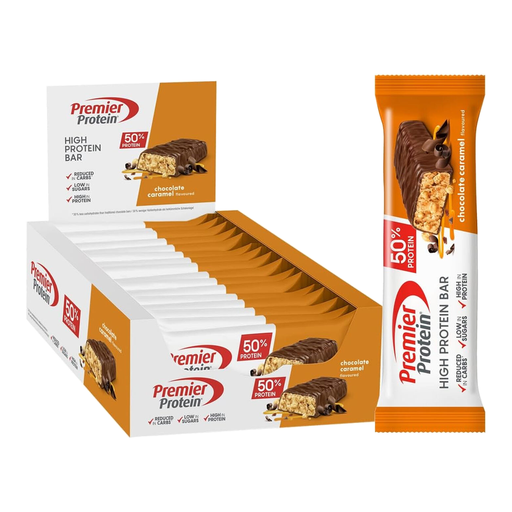
What makes it stand out: This bar is aimed at anyone looking for maximum protein content. With 50% protein (20 g per 40 g bar), it delivers a substantial amount of protein. According to the manufacturer, it contains no more than 0.8 g of sugar per bar and is also palm oil-free. The combination of a soft protein core, a layer of caramel, and a milk chocolate coating with sweetener ensures a pleasant taste experience.
Benefits:
Who it's for: Ideal for athletes and individuals with high protein needs who are looking for a high-performance, sugar-free fitness bar.
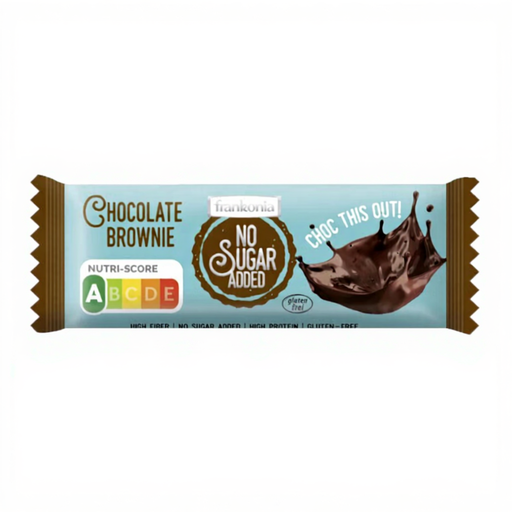
What makes it stand out: The bar from Frankonia has no added sugar and is instead sweetened with maltitol. It features a dense, brownie-like texture and a high fibre content of 31 g per 100 g. With 10 g of protein per 50 g bar, it offers a balanced nutritional profile. Another key feature is that it's gluten-free and has a Nutri-Score of "A," making it a transparently rated snack option.
Benefits:
Who it's for: Suitable for those who prefer a chocolatey, filling snack with a high fibre content and value a gluten-free recipe.
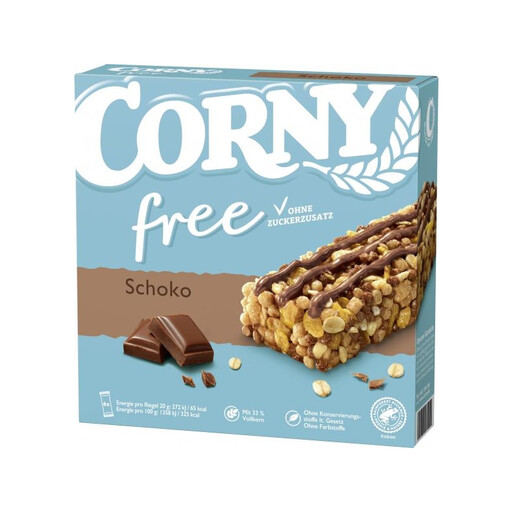
What makes it stand out: This muesli bar from Corny is a lighter alternative in the sugar-free bar segment. It contains no added sugar and, according to the manufacturer, has only 67 kcal per 20 g bar. The base of roasted whole-grain flakes and crispies, combined with a milk chocolate coating with sweetener, makes it a classic muesli bar for everyday enjoyment. It is free from artificial colours and added preservatives.
Benefits:
Who it's for: Perfect for anyone looking for a light, calorie-conscious, and healthy on-the-go snack, where the focus is less on high protein content and more on enjoyment without added sugar.
Our selection represents just a small sample of the available range. Everyone has different taste preferences and dietary requirements. If you'd like to explore other alternatives that are also low-sugar or sugar-free, you'll find a diverse selection in our broader category.
Discover more products in the Chocolate & Sugar category here
"No added sugar" means that no table sugar (sucrose) or other sugary syrups were added to the product during manufacturing. However, the bar may contain naturally occurring sugars, for example, from milk (lactose) or other ingredients. The exact sugar content is always listed in the nutrition facts table under "Carbohydrates – of which sugars."
Sugar-free protein bars can be a practical addition to a calorie-controlled diet. Protein and fibre contribute to a longer-lasting feeling of fullness, which can help manage overall calorie intake. However, they do not replace a balanced and varied diet. A bar should be considered a mindful alternative to sugary snacks and not a meal replacement, unless it is explicitly designed for that purpose.
Sugar-free or reduced-sugar bars often use sugar substitutes (polyols) like maltitol, sorbitol, xylitol, and erythritol, or zero-calorie sweeteners like sucralose, acesulfame-K, and steviol glycosides (from stevia). These substances provide sweetness with significantly fewer or no calories compared to sugar and have less impact on blood sugar levels. Information about the specific sweeteners used can be found in the product's ingredients list.