
Lieferung heute & morgen

Qualitätsgarantie

Willkommens-Angebote freischalten: KOSTENLOSE Lieferung | Bis zu 80 % RABATT | Kostenlose 30-Tage-JoyPlus-Testphase
App herunterladen
Finding a convenient snack that fits an active, health-conscious lifestyle can be a challenge. Many products on the market contain hidden sugars or don't meet the nutritional requirements for your fitness goals. A sugar-free protein bar offers a smart alternative, supplying your body with essential protein without unnecessarily increasing your sugar intake.
This guide is here to help. We'll outline objective criteria for making your selection and present a curated list of products that stand out for their specific qualities. Our goal is to provide you with an informed basis for your decision, so you can find the right fitness bar for your needs.
To find the right protein bar, it helps to understand a few key aspects. The following points will help you correctly interpret product information.
The label "no added sugar" means that no sugar (like sucrose, glucose syrup, or fructose) was added during manufacturing. However, the bars can still contain naturally occurring sugars, such as lactose from dairy products. Therefore, always check the nutrition facts panel and look for the value under "of which sugars". Many manufacturers use sweeteners like maltitol or sucralose instead. These provide sweetness with fewer calories but can have a laxative effect if consumed in excess, as noted on the packaging of some products. A low-sugar protein bar is often a great choice for a balanced diet.
Protein is crucial for maintaining and building muscle mass. The protein sources used in bars vary. Common types include:
A high protein content of 25% to 30% per bar can help you meet your daily protein needs, which is especially relevant for protein bars for muscle building.
Besides protein and sugar, fat, carbohydrates, and fibre are also important components. A balanced ratio is key. A good sugar-free snack should not only be high in protein but also have a moderate fat and carbohydrate content. Pay attention to the amount of polyols (sugar alcohols), which are listed under carbohydrates. These are metabolised differently by the body than regular sugar and have a lower impact on blood sugar levels.
Based on the criteria above, we have compiled a selection of products that stand out for their composition and unique features.
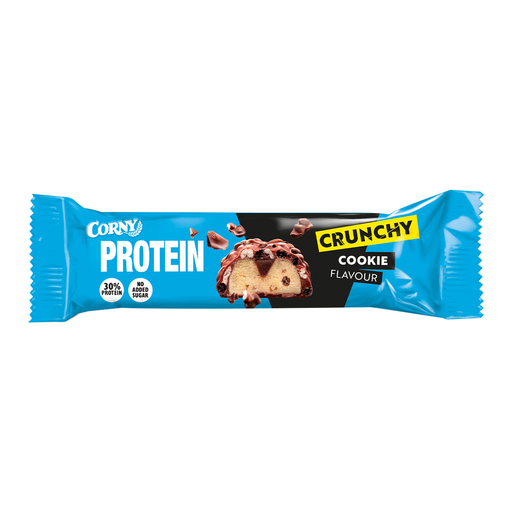
Corny Protein Cookie Crunch Bar 45g
Why it stands out: This bar combines a crispy cookie texture with a creamy filling and a milk chocolate coating. It offers a taste experience reminiscent of a candy bar but is tailored to the nutritional profile of a fitness snack.
Benefits:
Who is it for? Those looking to buy a protein bar that is rich in flavour and texture, making it a great post-workout reward or a filling in-between meal.
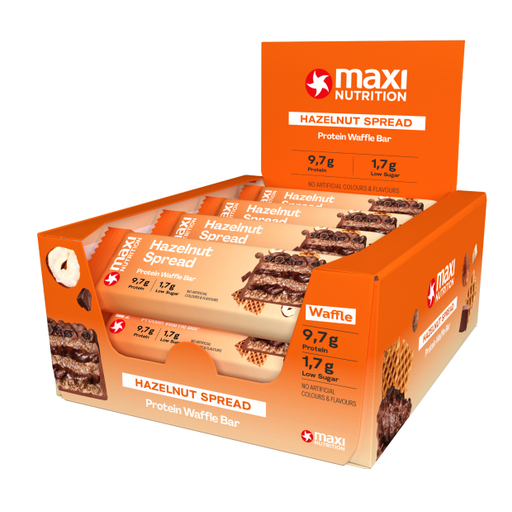
Maxi Nutrition Muesli Nut Butter Protein Wafer Bars, 25% Protein (12 x 39g)
Why it stands out: The wafer structure makes this bar a clear departure from typically dense protein bars. It's light, crispy, and combines the taste of hazelnut cream with a delicate chocolate note.
Benefits:
Who is it for? Fitness enthusiasts looking for a lighter, crispier alternative to classic protein bars who enjoy the taste of hazelnut and chocolate.
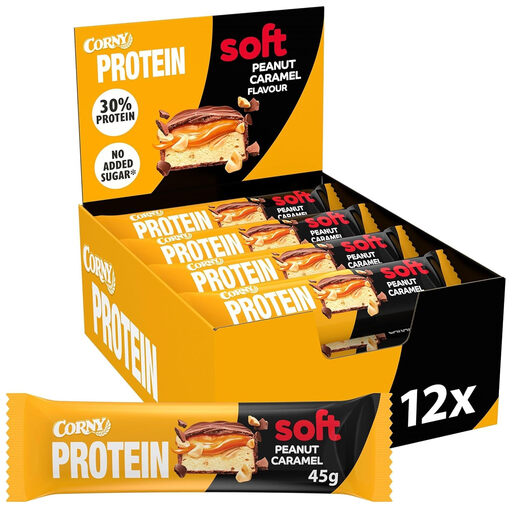
Corny No Added Sugar Protein Bars, Soft Peanut-Caramel (12x45g)
Why it stands out: This bar features a soft texture and the popular flavour combination of peanut and caramel, all coated in milk chocolate. It offers a satisfyingly chewy experience with a high protein content.
Benefits:
Who is it for? Anyone who loves the classic taste of peanut-caramel bars but wants a high-protein version with no added sugar. Ideal as a filling sugar-free snack.
The selection presented here covers a variety of tastes and texture preferences. If you'd like to explore more alternatives or other product categories, you can find a wider range of products to suit an active lifestyle in our Natural Protein section.
This label indicates that no monosaccharides or disaccharides (like table sugar or glucose syrup) were added during the manufacturing process. However, the bars can still contain naturally occurring sugars, for example, from milk (lactose) or fruit. The exact sugar content is listed in the nutrition facts panel under "Carbohydrates, of which sugars".
Proteins are the fundamental building blocks of muscle. An adequate protein intake is essential for repairing and building muscle tissue after a workout. A protein bar for muscle building can be a convenient supplement to a balanced diet, helping you meet your daily protein requirements, especially when a whole-food meal isn't available.