
Lieferung heute & morgen

Qualitätsgarantie

Willkommens-Angebote freischalten: KOSTENLOSE Lieferung | Bis zu 80 % RABATT | Kostenlose 30-Tage-JoyPlus-Testphase
App herunterladen
Finding the right sugar-free protein bar can be a challenge. The market is flooded with options that often make bold claims, but a closer look reveals hidden sugars or a long list of artificial additives. This article serves as your guide. It outlines objective criteria for selection and presents a curated list of products that stand out for their nutritional value and ingredients. Our goal is to provide you with a solid basis for making an informed purchase.
To find the perfect fitness bar for your needs, it's helpful to consider a few key aspects. The following points will help you correctly interpret product information.
A look at the nutrition label is essential. Pay attention not only to the protein content but also to the amount of sugar and carbohydrates.
The type of protein used affects its digestibility and amino acid profile. Common protein sources in bars include:
A blend of different protein sources can provide a time-released delivery of amino acids.
A shorter ingredients list is often an indicator of a less processed product. Look for whole-food ingredients like nuts, seeds, or cocoa butter near the top of the list. Some consumers also prefer products that avoid certain ingredients like palm oil. Checking the ingredients is especially important for individuals with allergies or intolerances.
Based on the criteria above, we've compiled a selection of products that stand out for their ingredients and nutritional profiles.
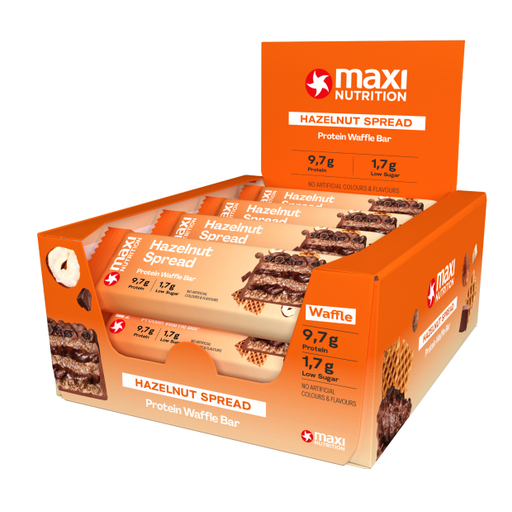
What makes it stand out: The bar from Maxi Nutrition combines a crispy wafer texture with a creamy hazelnut-chocolate filling. With 25 g of protein per 100 g and no added sugar, it's a compelling alternative to conventional, often soft protein bars.
Advantages:
Who it's for: This bar is ideal for those looking for a lighter, crispier alternative to the often very dense and sweet protein bars. It works well as an on-the-go snack or a small reward after a workout.
View Product: Maxi Nutrition Muesli Nut Butter Protein Wafer Bar
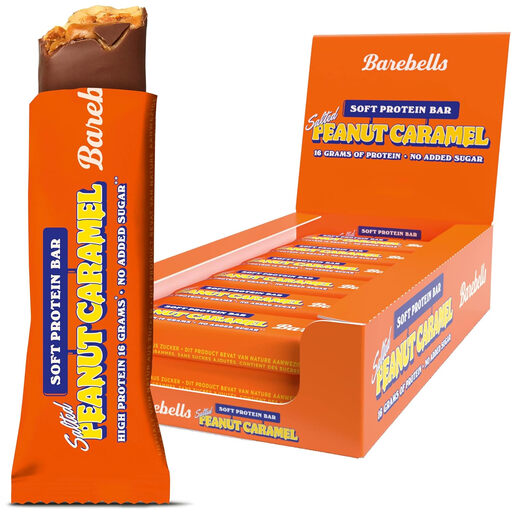
What makes it stand out: Barebells is known for protein bars that taste remarkably like classic candy bars. This version combines a soft texture with salted peanut caramel and a milk chocolate coating, all while being low in sugar and palm oil-free.
Advantages:
Who it's for: This bar is for anyone who wants a protein snack with the indulgent experience of a conventional candy bar. It's a great choice for after a workout or as a filling snack at the office.
View Product: Barebells Soft Protein Bar Salted Peanut Caramel

What makes it stand out: The Warrior Crunch bar is specifically designed for a low-carb diet. With 20 g of protein and less than 3 g of sugar per 64 g bar, it delivers impressive nutritional stats. Its multi-layered structure with crunchy crispies provides a varied texture.
Advantages:
Who it's for: This low-carb protein bar is the top choice for serious athletes, bodybuilders, and anyone following a strict low-carb or ketogenic diet. It's a functional bar designed for maximum protein delivery with minimal sugar.
View Product: Warrior Crunch High Protein Low Carb Bar
The selection presented here covers a range of tastes and requirements. However, if you'd like to explore a wider variety, especially in the nut bar category, you can find more products in our main collection.
Discover our entire range of Protein Nut Bars here.
A protein bar can be used flexibly. Many people consume one within 30 to 60 minutes after a workout to support muscle recovery. However, it also works well as a filling snack between meals to prevent cravings, or as a high-protein alternative to a sugary dessert in the evening.
Protein bars for weight loss can be a smart addition to a calorie-controlled diet plan. Protein has a high satiety effect, which can help control overall calorie intake. Furthermore, adequate protein intake during a diet helps preserve muscle mass. However, a bar alone won't lead to weight loss; it must be part of a balanced diet and an active lifestyle.