
Lieferung heute & morgen

Qualitätsgarantie

Willkommens-Angebote freischalten: KOSTENLOSE Lieferung | Bis zu 80 % RABATT | Kostenlose 30-Tage-JoyPlus-Testphase
App herunterladen
For many health-conscious individuals and athletes, the question often arises: How can a craving for chocolate be reconciled with a high-protein, low-sugar diet? Conventional chocolate rarely fits into a strict eating plan. The solution can be sugar-free protein chocolate, which is specially designed to offer indulgence without compromise.
This article provides an overview of the key criteria to consider when buying fitness chocolate and presents a selection of products that stand out for their specific features. The goal is to help you make an informed decision for your next purchase.
The selection of products is constantly growing. To find the right low-carb chocolate, it's helpful to have some basic knowledge of the ingredients and nutritional values.
The protein content is the key feature of protein chocolate. Pay attention to the amount in grams per 100g to compare products objectively. Common protein sources include whey protein and soy protein. Whey protein is quickly absorbed by the body, making it popular among athletes, while soy protein offers a plant-based alternative. Some products combine different sources to achieve a broader amino acid profile.
Chocolate with no added sugar uses alternative sweeteners. A commonly used substance is maltitol. Chocolate with maltitol offers a sweetness close to that of sugar but has fewer calories and a lower impact on blood sugar levels. It's important to know that sugar alcohols like maltitol can have a laxative effect if consumed in excess. This information is usually noted on the packaging.
A look at the nutrition facts table is essential. Besides the protein content, the total carbohydrate content and the "of which sugars" portion are relevant. The latter indicates how much sugar is naturally present in the ingredients (e.g., lactose in dairy products). A short and clear ingredient list is often an indicator of a high-quality product.
Based on the criteria mentioned above, we have compiled a selection of products. Here, you can directly buy the right sugar-free chocolate or learn more about its features.
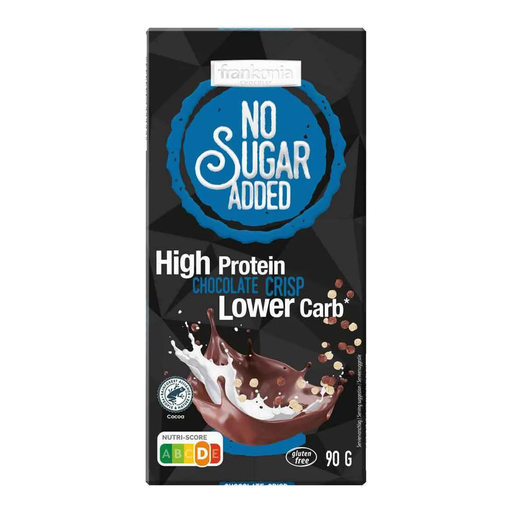
Why it stands out: This Frankonia protein chocolate combines a high protein content with a crispy texture. The mix of whey and soy protein crisps provides a unique eating experience, while the absence of added sugar makes it suitable for a health-conscious diet.
Benefits:
Who is it for? Individuals looking for a high-protein chocolate with an interesting, crispy texture who value a high protein content. Ideal as a post-workout snack or for in-between meals.
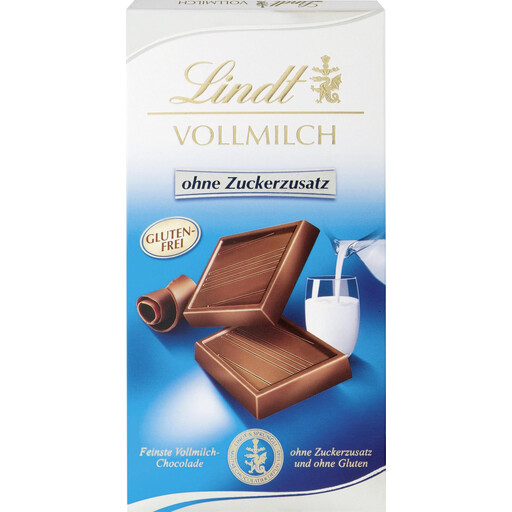
Why it stands out: With this bar, Lindt offers the classic taste of milk chocolate but without any added sugar. It is aimed at connoisseurs who prefer the familiar taste of chocolate but want to reduce their sugar intake.
Benefits:
Who is it for? Lovers of traditional milk chocolate who are looking for a reduced-sugar alternative without sacrificing the familiar taste of a well-known brand. The protein content is lower here than in specialised fitness chocolates.
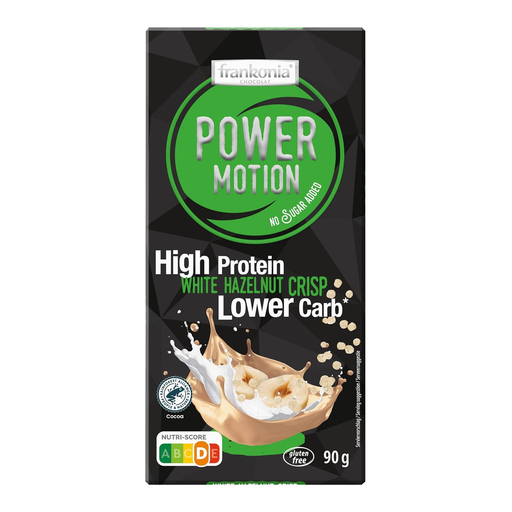
Why it stands out: This version of Frankonia protein chocolate combines white chocolate with hazelnut paste and crispy protein crispies. It offers a flavourful alternative to classic dark or milk protein chocolate.
Benefits:
Who is it for? For anyone who enjoys the taste of white chocolate and hazelnut and is looking for a high-protein, crispy alternative. A great choice for those who appreciate variety in the world of fitness chocolate.
The products featured are just a snapshot of the growing market. If you are looking for other foods that fit specific dietary requirements, other categories might also be of interest to you.
Discover our range of gluten-free products to find more alternatives for a conscious diet.
The "no added sugar" label means that no sugar (such as sucrose, glucose syrup, or fructose) was added to the product during manufacturing. However, the chocolate may contain naturally occurring sugars from its ingredients. An example is lactose (milk sugar) in dairy products. The exact sugar content is listed in the nutrition facts table under "Carbohydrates – of which sugars".
Protein chocolate is not a diet product and does not automatically lead to weight loss. However, it can be a useful part of a calorie-controlled, high-protein diet. Protein contributes to satiety, which can help manage overall calorie intake. As with any food, moderation as part of a balanced diet and healthy lifestyle is key.
Individuals with diabetes should discuss the consumption of products sweetened with maltitol with their doctor or a nutritionist. Although maltitol causes a smaller rise in blood sugar levels than conventional sugar, its impact is not zero. It must be factored into the daily carbohydrate balance. Professional medical advice is essential here.