
Lieferung heute & morgen

Qualitätsgarantie

Willkommens-Angebote freischalten: KOSTENLOSE Lieferung | Bis zu 80 % RABATT | Kostenlose 30-Tage-JoyPlus-Testphase
App herunterladen
The desire to reduce sugar intake without sacrificing the familiar taste of soft drinks is leading many consumers to sugar-free alternatives. Buying in bulk, in particular, promises both convenience and savings. However, the market for calorie-free drinks is crowded, and not every deal is as good as it seems. Before you make your next bulk purchase, you should be aware of a few common pitfalls that can lead to unnecessary expenses or unsuitable choices.
The 2 Most Common Mistakes When Buying Zero-Sugar Drinks in Bulk:
This guide will help you avoid these mistakes and make the right choice for your needs, whether it's for your home, the office, or your next party.
To ensure your bulk purchase of sugar-free drinks is a success, you should focus on objective criteria rather than marketing messages.
The most prominent price is the total price of the pack. However, the crucial metric for an economical purchase is the price per litre.
The term "Zero" or "Light" means the drink has no or very few calories because sugar has been replaced with sweeteners.
The choice between a can, a small PET bottle, or a large PET bottle should depend on your specific use case.
To make your decision easier, we have matched some products to different user profiles.
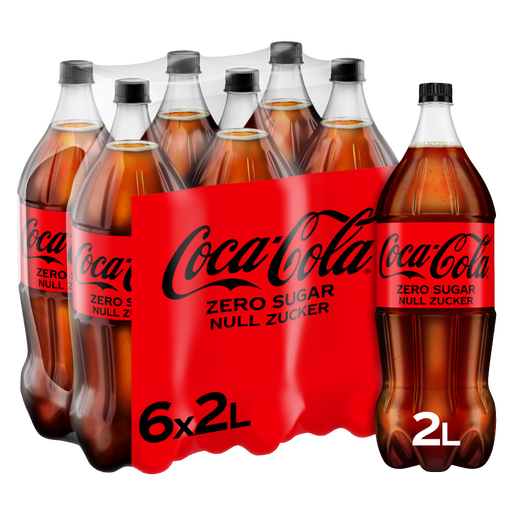
Why This Fits Their Persona: Ideal for families or shared households that regularly consume sugar-free drinks and want to make their shopping as economical as possible. The large bottle size minimises packaging waste.
This multi-pack encourages calculating the price per litre, which is typically lowest for 2-litre bottles, thus avoiding the "false economy" value pack trap.
Maximum volume per bottle, leading to a very low price per litre. Less packaging waste compared to smaller units.
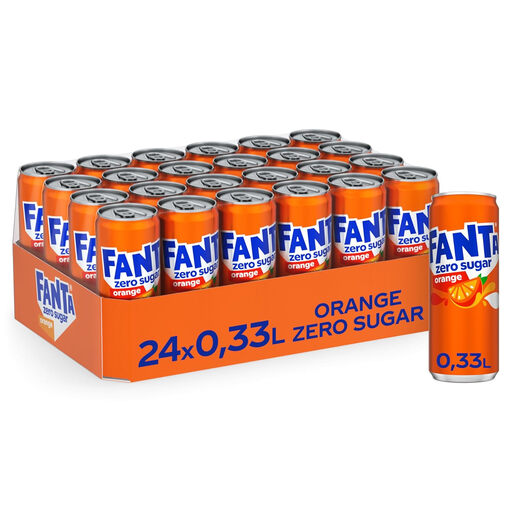
Why This Fits Their Persona: Perfect for supplying employees, clients, or guests. The cans are easy to store, distribute, and ensure freshness for each individual without having to open large bottles.
Solves the problem of an unsuitable packaging format. Instead of impractical large bottles, this pack offers hygienic, single-serving portions and prevents waste from drinks going flat.
Convenient and hygienic single servings. Offers a popular alternative to cola and appeals to a wide range of tastes.
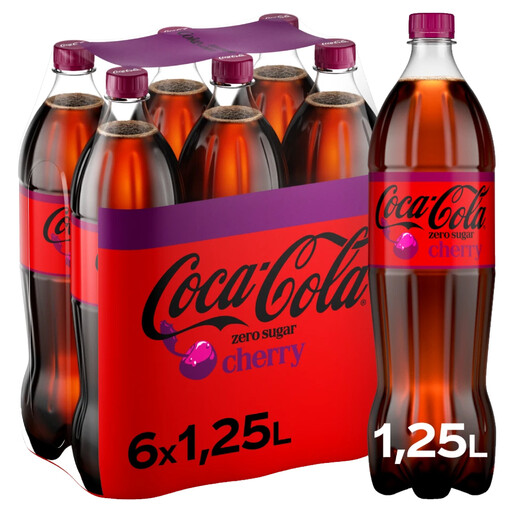
Why This Fits Their Persona: For anyone who appreciates variety and doesn't always want the classic cola taste. This version offers a fruity twist without sacrificing the benefits of a zero-sugar product.
Demonstrates that flavour variations are also available in convenient bulk sizes. You don't have to resort to more expensive single bottles to get variety.
Combines the familiar taste of Coca-Cola Zero with a fruity cherry note. The 1.25-litre bottle is ideal for enjoyment at home.
We have compiled a complete, up-to-date list of products that fully meet these strict selection criteria.
Historically, "Light" products were often a brand's first sugar-free versions and sometimes had a slightly different taste profile. "Zero" versions were developed later with the goal of matching the taste of the original sugary version as closely as possible. Today, the terms are often used interchangeably by manufacturers. In both cases, they are calorie-free drinks or drinks with a very low calorie content. A look at the nutrition facts table always provides the exact information.
The best-before date is printed on every bottle or can. When unopened and stored in a cool, dry place, sugar-free soft drinks are typically shelf-stable for several months, which makes bulk buying very practical. After opening, especially with large bottles, the drinks should be refrigerated and consumed within a few days to preserve carbonation and taste.
No, not all of them. While aspartame is a commonly used sweetener, often in combination with others like acesulfame-K, there are also products that use different sweetener blends (e.g., with steviol glycosides from the stevia plant). It is a legal requirement for products containing aspartame to carry the warning "contains a source of phenylalanine." Therefore, anyone wishing to avoid specific sweeteners should always check the ingredients list on the label.