
Lieferung heute & morgen

Qualitätsgarantie

Willkommens-Angebote freischalten: KOSTENLOSE Lieferung | Bis zu 80 % RABATT | Kostenlose 30-Tage-JoyPlus-Testphase
App herunterladen
The desire for a sweet treat is universal, yet for many, reducing sugar intake has become a priority—whether for health reasons, weight management, or as part of a mindful diet. The market for sugar-free sweets is vast, but navigating the options can quickly become overwhelming. Not every product advertised as "sugar-free" is automatically the right choice. Before you decide, it's helpful to understand a few common pitfalls.
Pitfall 1: The Calorie Assumption. Many assume that "sugar-free" also means "low-calorie." However, table sugar is often replaced with sugar substitutes like maltitol or sorbitol. These so-called polyols contain fewer calories than sugar, but they are not calorie-free. Furthermore, excessive consumption can lead to digestive issues.
Pitfall 2: Misleading Labels. A product with "no added sugar" can naturally contain high amounts of sugar, for example, from fruit juice concentrates. For individuals following a low-carb diet or needing to control their blood sugar levels, the total carbohydrate content is more crucial than just the added sugar.
To make an informed decision that fits your lifestyle, you should carefully examine two key parameters. These will help you distinguish marketing promises from actual product characteristics.
The type of sweetener used has a significant impact on calorie content and digestibility.
A close look at the nutrition label is essential. Don't just focus on the "of which sugars" line.
Instead of making a blanket recommendation, we have curated products for different user profiles.
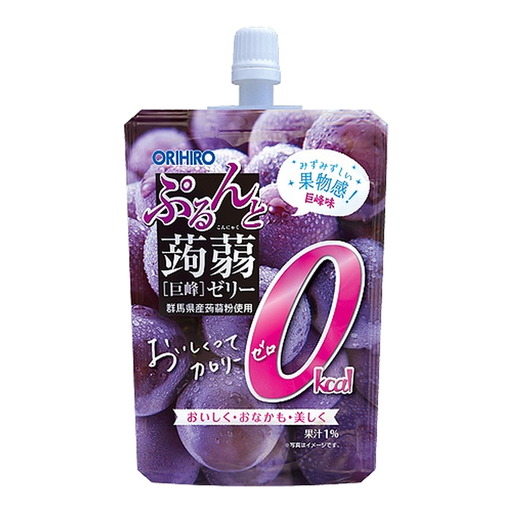
Why This Fits Their Persona: Ideal for anyone looking for a fruity, sweet refreshment without consuming any calories. This konjac jelly is a light and convenient option for a snack on the go.
This product completely avoids the calorie trap, as it contains 0 kcal per 100g according to the manufacturer. It is sweetened with erythritol and other calorie-free sweeteners.
Virtually calorie-free and sugar-free. The konjac flour base provides a satisfying texture. Ideal as a low-calorie sweet.
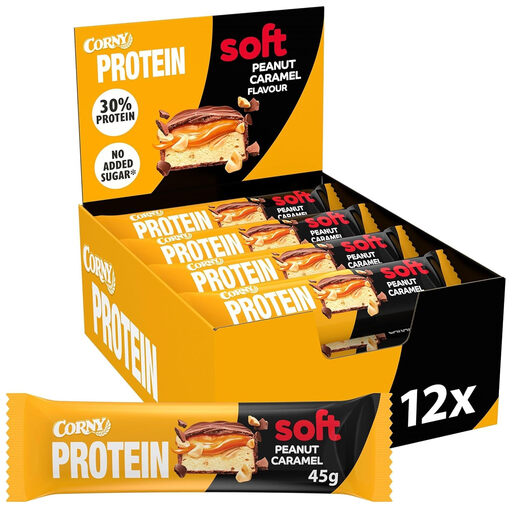
Why This Fits Their Persona: For athletes who want a protein-rich snack post-workout or between meals that supports muscle growth but contains no added sugar.
This bar avoids the "hidden sugar" trap. According to the manufacturer, it contains no added sugar and is instead sweetened with maltitol, which keeps the total sugar content low.
A high protein content of 30% supports recovery. The combination of peanuts and caramel flavour offers a satisfying taste experience for a protein bar with no added sugar.
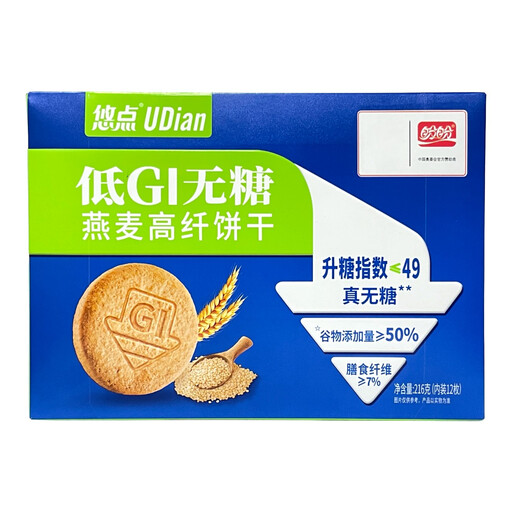
Why This Fits Their Persona: Perfect for a coffee break or as a crispy snack. These biscuits offer the familiar enjoyment of an oat biscuit but are tailored for a sugar-conscious diet.
These biscuits replace sucrose with maltitol and are positioned as "Low GI" (low glycemic index), indicating they impact blood sugar levels less than conventional biscuits.
Rich in fibre from whole wheat flour and oat flakes. The crispy texture makes them a satisfying alternative to sugary baked goods.
We have compiled a complete, up-to-date list of products that fully meet these strict selection criteria and local regulations.
Not necessarily. For diabetics, the total carbohydrate content and the type of sweetener are crucial. Sugar substitutes like maltitol are partially absorbed by the body and can affect blood sugar levels, albeit more slowly than sugar. It is advisable to check the nutritional information carefully and monitor your body's individual response.
No, but many products containing sugar substitutes (polyols) like maltitol, sorbitol, or isomalt can have a laxative effect if consumed in excess. This is noted on the packaging. Erythritol is considered more tolerable. Individual tolerance thresholds vary, so it's wise to start with small amounts.
Protein bars are designed as convenient sugar-free snacks, especially for supplementing protein intake after exercise or as an alternative to traditional sweets. However, they should not be seen as a complete replacement for a balanced meal, which provides a broader range of nutrients. They are a sensible addition to a varied diet.