
Lieferung heute & morgen

Qualitätsgarantie

Willkommens-Angebote freischalten: KOSTENLOSE Lieferung | Bis zu 80 % RABATT | Kostenlose 30-Tage-JoyPlus-Testphase
App herunterladen
The desire to enjoy a sweet treat without the sugar leads many consumers to the sugar-free confectionery aisle. However, the selection is vast and the labels are often confusing. Before making a choice, it's helpful to understand the common pitfalls that can lead to an unsuitable product selection.
As your Joybuy Product Recommendation Officer, I'm here to help you separate the important facts from marketing claims. Here are the crucial points to consider to find the right sugar-free sweets for your needs.
To make an informed decision, focus on these three objective criteria instead of being swayed by the packaging.
The choice of sweetener determines not only the taste but also the calorie content and digestibility.
For conscious sugar-free snacking, a detailed look at the nutrition facts table is essential.
The composition reveals a lot about the quality and intended use.
Here are some recommendations tailored to specific requirement profiles.
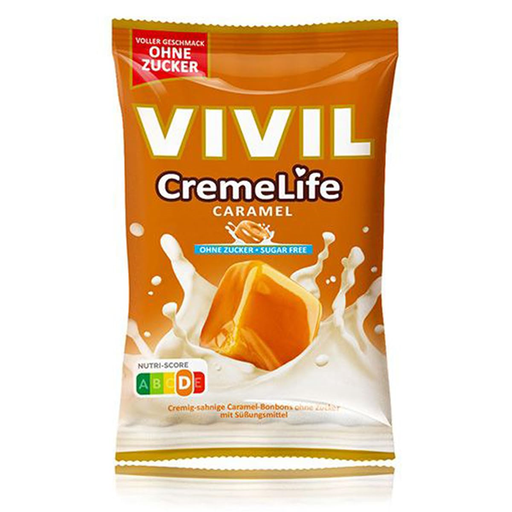
Why it's a great fit: Ideal for anyone who loves the familiar, full-bodied taste of a cream-caramel candy without consuming sugar. A proven classic for everyday enjoyment.
This product avoids the taste compromise with a balanced formula of isomalt and maltitol syrup, which creates a creamy flavour without an unpleasant aftertaste.
Rich caramel flavour refined with cream and butter. Made in Germany by an established manufacturer of sugar-free confectionery.
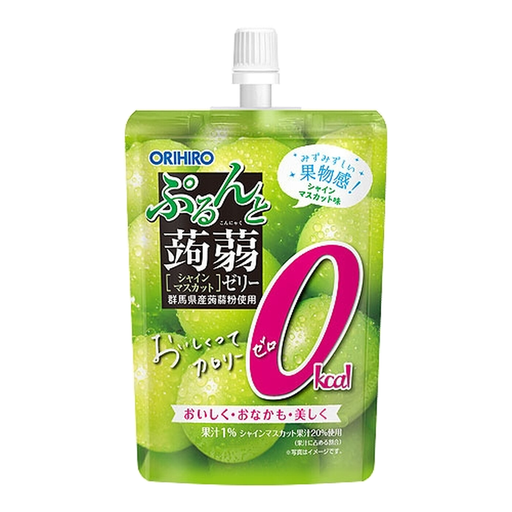
Why it's a great fit: Perfect for anyone looking for a fruity, satisfying snack with no calories. The konjac jelly offers an interesting texture and is a light alternative to traditional desserts.
This product completely solves the "sugar-free isn't calorie-free" trap. Thanks to being sweetened with erythritol and other sweeteners, it is truly zero-calorie.
Zero calories and zero sugar. The konjac flour base provides a pleasantly firm texture and a light feeling of satiety.
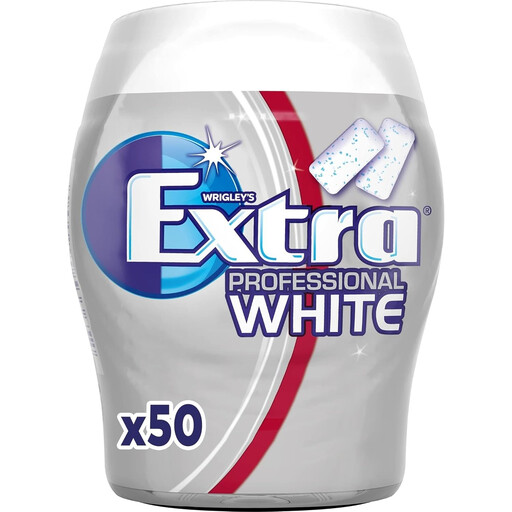
Why it's a great fit: For anyone looking for a functional benefit. This sugar-free gum freshens breath and aids in dental care, and its convenient container is ideal for the car or desk.
The product clearly positions itself as a functional chewing gum, not a sweet snack. It avoids the pitfall of trying to be a pure indulgence and instead delivers a clear, practical benefit.
Contains xylitol and sorbitol as sweeteners, which can contribute to tooth mineralisation. The micro-granules help promote a clean mouthfeel.
We have compiled a complete, up-to-date list of products that fully meet these strict selection criteria and German regulations.
Not without limitation. It's important to pay attention to the total amount of carbohydrates, especially from sugar alcohols (polyols), as they can affect blood sugar levels, albeit less than sugar. Products sweetened mainly with sweeteners like stevia or aspartame generally have less impact. Consulting with a doctor or nutritionist is always recommended.
Many sugar-free sweets contain sugar alcohols like sorbitol, maltitol, or isomalt. When consumed in excess, these can have a laxative effect, which must be noted on the packaging. Individual tolerance varies greatly. Products sweetened with erythritol or pure sweeteners are often better tolerated.
The "sugar-free" claim is legally regulated and means the product contains no more than 0.5 g of sugar per 100 g or 100 ml. "No added sugar" simply means that no sugar (e.g., sucrose) or sugary ingredients (e.g., honey, syrup) have been actively added to the product. However, it can still contain naturally occurring sugars, for instance from fruit. For a strictly low-sugar diet, the "sugar-free" claim is the more reliable choice.