
Lieferung heute & morgen

Qualitätsgarantie

Willkommens-Angebote freischalten: KOSTENLOSE Lieferung | Bis zu 80 % RABATT | Kostenlose 30-Tage-JoyPlus-Testphase
App herunterladen
The craving for a sweet treat is a daily reality, but cutting out sugar for health or dietary reasons presents a challenge for many. The search for tasty alternatives to conventional confectionery can be overwhelming. This article serves as your guide. It introduces a selection of sugar-free sweets and provides practical information to help you find the perfect option for your needs—whether for a calorie-conscious diet, managing diabetes, or simply for healthy snacking between meals.
The market for sugar-free products is constantly growing. To make an informed decision, it's helpful to have some basic knowledge about the ingredients.
Sugar-free sweets contain alternative sweeteners instead of sucrose (table sugar). These can be broadly divided into two groups:
For sweets for diabetics, it is particularly important to consider the total carbohydrate amount and the type of sweetener, as sugar alcohols can also affect blood sugar.
A look at the label is essential. Pay attention to the "Carbohydrates, of which sugars" line. For sugar-free products, this value should be close to zero. The total carbohydrate amount is still relevant, especially for a low-carb diet. The ingredient list provides information about the sweeteners, fats, and any additives used. This allows you to determine if a product truly fits your dietary goals, for example, if you are looking for low-calorie sweets.
Here is a curated collection of different products that cater to various tastes and needs.
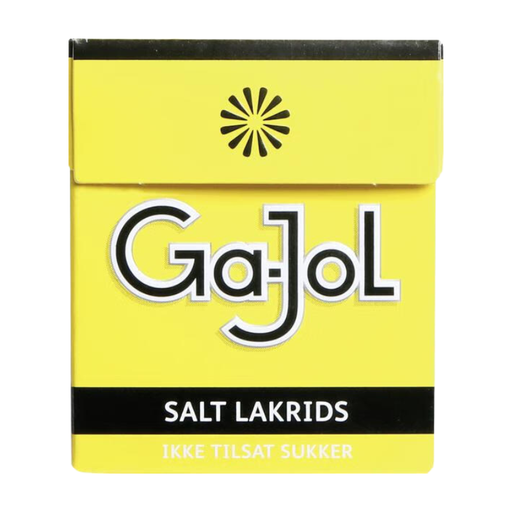
Why it stands out Ga-Jol represents classic Danish liquorice enjoyment. This sugar-free version preserves the intense, spicy flavour of real salmiak liquorice, known as "adult liquorice." The characteristic strength comes from ammonium chloride (6%) and high-quality liquorice root extract.
Advantages
Who is it for? For anyone who prefers the strong, salty taste of Scandinavian liquorice and is looking for a sugar-free option for in-between moments. Due to the ammonium chloride content, individuals with high blood pressure should avoid excessive consumption.
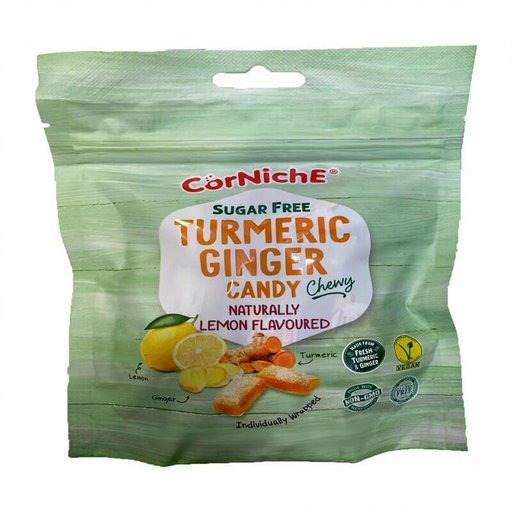
Why it stands out This soft fudge uniquely combines the heat of real ginger (7%) with the earthy notes of turmeric (4%) and a hint of lemon. It offers a complex taste experience that stands out from classic sweets.
Advantages
Who is it for? For adventurous connoisseurs who enjoy spicy-hot yet fruity notes. Ideal for anyone seeking a soft, sugar-free sweet with a special character.
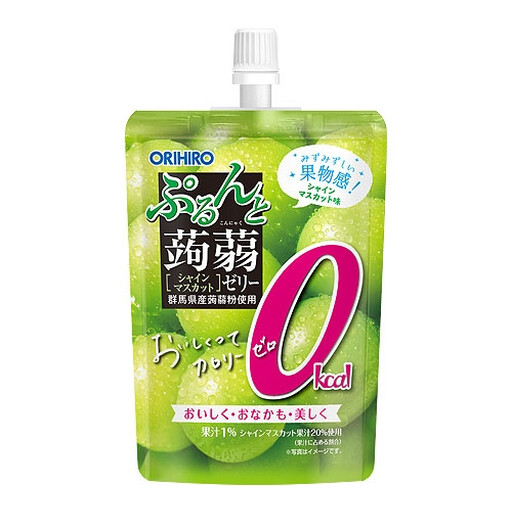
Why it stands out This Japanese konjac jelly is a standout in the realm of low-calorie sweets. It contains zero calories and zero sugar, yet delivers a sweet and fruity taste thanks to juice from the high-quality Shine Muscat grape. The firm, chewy texture of konjac provides a long-lasting feeling of satiety.
Advantages
Who is it for? Perfect for individuals following a diet or seeking an extremely low-calorie yet flavourful sweet. It's also an interesting discovery for fans of Japanese snacks and fruity aromas.
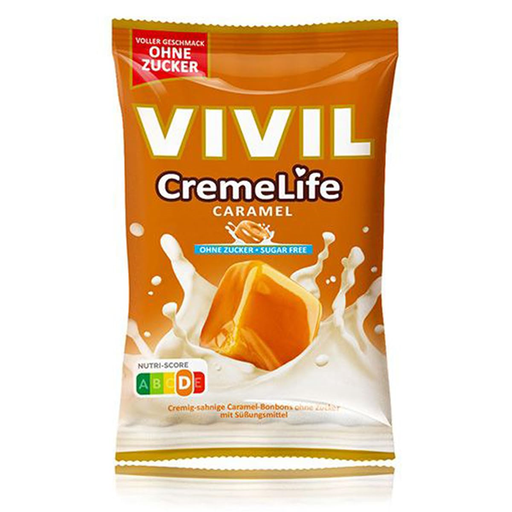
Why it stands out Vivil is a well-known German brand for sugar-free confectionery. These sugar-free candies impress with a classic, creamy caramel flavour achieved with butterfat (8%) and cream (6.7%). They offer a familiar and comforting taste experience.
Advantages
Who is it for? For anyone who loves the taste of classic cream caramel candies but wants to avoid sugar. A great choice for daily enjoyment and for on the go.
The world of sugar-free products is diverse and offers something for every taste. If you want to discover more alternatives, from chocolate and gummy bears to other types of candies, you'll find a wider selection in our category.
? Discover more sugar-free foods here
Various sweeteners are used in sugar-free sweets. Commonly used are sugar alcohols like isomalt, maltitol, sorbitol, and erythritol. These provide fewer calories than sugar. Additionally or alternatively, calorie-free sweeteners such as acesulfame-K, aspartame, sucralose, or steviol glycosides (stevia) are used, which have a very high sweetening power.
Many sweets for diabetics are labelled as "sugar-free." This means they do not contain table sugar. However, they often contain sugar alcohols (polyols), which are carbohydrates and can affect blood sugar levels, albeit usually more slowly and less intensely than sugar. It is therefore important to keep an eye on the total carbohydrate amount and to enjoy these products in moderation. Consulting with a doctor or nutritionist is recommended to clarify individual tolerance.
Low-calorie sweets can be a sensible addition to a calorie-reduced diet. They help satisfy sweet cravings without heavily impacting your calorie budget. However, they are not a magic bullet. A balanced diet and regular exercise remain the cornerstones of successful weight management. As with all foods, the key is to enjoy them in moderation.