People comparing sugar content
If you’re keeping an eye on your sugar intake, distinguish between ‘sugar-free’ and ‘no added sugar’. Compare the ‘of which sugars’ figures per 100 g and per portion, as well as the ingredients list.


When choosing a chocolate bar for mid-morning, the words ‘no added sugar’ alone aren’t enough to help you decide. Compare the sugar content per portion, portion size, sweeteners and allergens. ‘Sugar-free’ means something different, and a bar with no added sugar can still contain sugar. Whether a small individually portioned bar, a protein bar or a vegan option is right for you depends on its specific recipe.
If you’re keeping an eye on your sugar intake, distinguish between ‘sugar-free’ and ‘no added sugar’. Compare the ‘of which sugars’ figures per 100 g and per portion, as well as the ingredients list.
For a snack on the go, an individually wrapped bar may be more practical than a block of chocolate. What matters is which portion the nutritional values apply to: the whole bar or something else.
Even when a bar is labelled vegan, it’s worth checking the specific ingredients list. If you have an allergy, also check the information about ingredients and possible traces.
When choosing a chocolatey mid-morning snack, start by checking the sugar claim, then consider how much you’ll actually eat. Sweeteners and ingredients may help narrow down your choice further.
| Criteria | What to check when buying | Who it matters to |
|---|---|---|
| Sugar content | Compare ‘of which sugars’ per 100 g and per portion; don’t treat ‘sugar-free’ as the same as ‘no added sugar’. | I want to know how much sugar my bar actually contains, rather than relying on the front of the pack. This is likely to be the main question for around 36% of consumers. |
| Individual portion | Check the bar’s weight, the number of portions per pack and the nutritional values per bar. | For my mid-morning break, I want to take a clearly defined portion with me, rather than plan to snack on a whole block of chocolate. This is likely to be a priority for around 29% of consumers. |
| Sweeteners | Check for ingredients such as maltitol, xylitol or sorbitol, and look for a warning about excessive consumption. | If I avoid certain sweeteners or don’t tolerate them well, I need to know what’s in the recipe before buying. Around 21% of consumers are likely to see this as their most important selection criterion. |
| Dietary requirements and allergens | Check the vegan label, ingredients and precautionary allergen information separately for the variety you’ve chosen. | I’m looking for a plant-based option or need to avoid certain allergens; a claim about reduced sugar doesn’t answer either question. This requirement is likely to take priority for around 14% of consumers. |
A product with no added sugar can contain naturally occurring sugars and sweeteners. Under EU Regulation (EC) No 1924/2006, however, the claim ‘sugar-free’ is only permitted when a product contains no more than 0.5 g of sugar per 100 g.
Check the ‘of which sugars’ figure in the nutrition information and compare the amount per 100 g with the amount per bar.
A sugar claim alone doesn’t tell you the energy content. Lindt Germany lists 482 kcal per 100 g for its no-added-sugar dark chocolate and 510 kcal per 100 g for its milk chocolate version.
If portion size matters to you, also compare the energy content and the amount you actually plan to eat.
Maltitol, xylitol and sorbitol are used in the recipes considered here. The German consumer advice centre (Verbraucherzentrale) notes that sugar alcohols can have a laxative effect when consumed in large amounts.
Check the ingredients list and the warning on the pack. Under EU food labelling rules, packaged foods containing more than 10% added polyols must carry a warning about possible laxative effects if consumed excessively.
A vegan recipe doesn’t rule out peanuts or possible traces of milk. Other bars contain milk, soya or tree nuts as ingredients.
Check the current ingredients list and precautionary allergen information for the variety you want, rather than assuming that one label tells you which allergens are present.
The examples below refer to specific product ranges and recipes, not every product from each brand.
Xucker makes chocolate and bars with no added sugar, including products sweetened with xylitol or erythritol.
Lindt offers no-added-sugar milk and dark chocolate bars for people who prefer a block of chocolate to an individual bar.
Frankonia makes chocolate and bars with no added sugar, including options with stated protein and fibre content.
ahead offers compact, individually portioned snack bars.
NEOH’s Peanut Schokoriegel Zero is a no-added-sugar individual portion labelled as vegan.
This selection includes portionable chocolate and protein products, as well as a white chocolate cereal bar for your mid-morning break. These products aren’t directly comparable: check the current sugar content and ingredients for each one, particularly if you’re specifically looking for a ‘sugar-free’ option.
 No image available
This 50 g bar is an individually portioned option for your mid-morning break. Before buying, check the current sugar content: the product name ‘Sugar Free’ shouldn’t be taken as confirmation that it is ‘sugar-free’ without checking the nutrition information. Also check the information about maltitol, milk and soya, as well as the warning about excessive consumption.
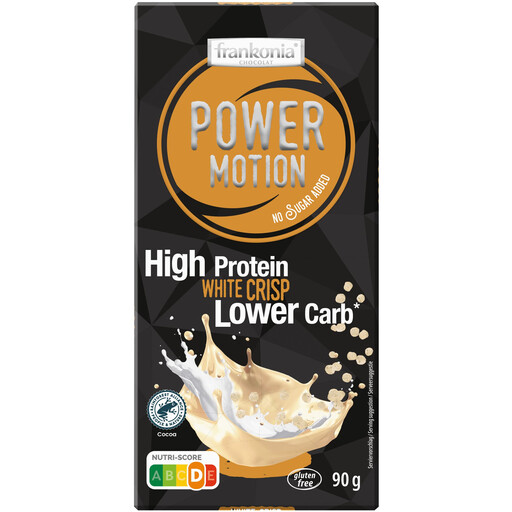 No image available
This 90 g chocolate may suit you if you’d prefer to take a smaller portion from a block rather than have an individual bar. The claim ‘No Sugar Added’ doesn’t replace the need to compare the sugar content per portion. Also check the ingredients and allergen information for this variety.
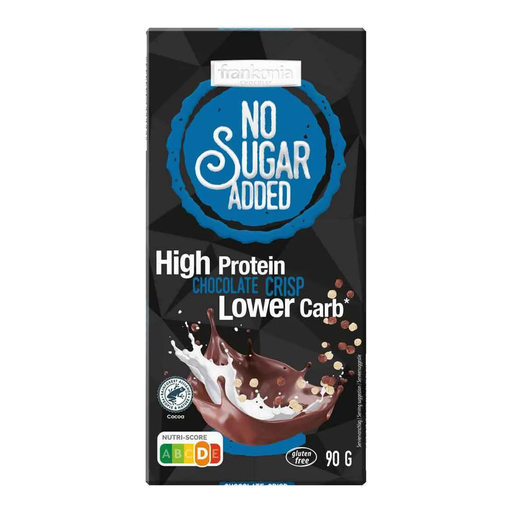 No image available
This 90 g chocolate is worth considering if you’re looking for a portionable chocolate option with stated protein content. Compare the nutritional values for the portion you plan to eat, and read the ingredients list before buying, paying particular attention to sweeteners and allergens.
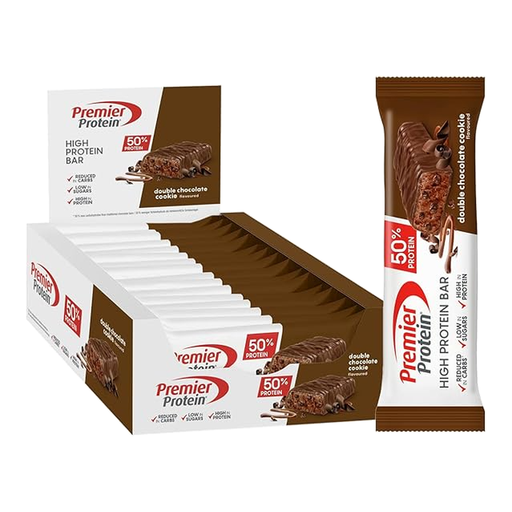 No image available
This pack contains individually wrapped 40 g bars, designed to be easy to take with you. ‘Low Sugar’ doesn’t mean the same as ‘sugar-free’ or ‘no added sugar’, so check the sugar content on the current pack. Also check the ingredients and allergen information.
 No image available
The six 20 g bars make handy individual portions, but they’re cereal bars with white chocolate, not blocks of chocolate. If sweeteners or allergens matter to you, check the sugar content per bar and the ingredients list on the pack you choose.
No. Under EU Regulation (EC) No 1924/2006, a product labelled ‘sugar-free’ must contain no more than 0.5 g of sugar per 100 g. ‘No added sugar’, on the other hand, doesn’t rule out naturally occurring sugars or the use of sweeteners, so check the nutrition information.
No. A claim about added sugar doesn’t tell you the energy content. Lindt Germany lists 482 kcal per 100 g for its no-added-sugar dark chocolate and 510 kcal per 100 g for its milk chocolate; the portion size you choose also matters for your snack.
The warning relates to the possible effects of consuming too much added polyol, such as certain sugar alcohols. Under EU food labelling rules, packaged foods containing more than 10% added polyols must carry this warning. Check the ingredients list and the warning on the specific pack.
No. A vegan label doesn’t replace the ingredients list or precautionary allergen information. For example, the NEOH Peanut Schokoriegel Zero listed by REWE contains peanuts; traces of tree nuts and milk may also be present.