
Lieferung heute & morgen

Qualitätsgarantie

Willkommens-Angebote freischalten: KOSTENLOSE Lieferung | Bis zu 80 % RABATT | Kostenlose 30-Tage-JoyPlus-Testphase
App herunterladen
The search for alternatives to refined table sugar is leading many consumers to a wide variety of products. Liquid sweeteners like syrups, in particular, are becoming increasingly popular. They not only provide sweetness but also offer different flavour profiles that can add a unique touch to dishes and drinks.
This article serves as a comprehensive guide. It introduces various types of syrups that can be used as a sugar substitute, explaining their properties and applications. Our goal is to provide you with the information you need to make an informed choice, whether for home baking, sweetening coffee, or as a topping for desserts.
The right syrup for you depends on several factors. The following points can help you find the perfect product for your needs.
Not every syrup is suitable for every purpose. First, consider what you primarily want to use the sugar substitute for.
Natural sweeteners vary considerably in taste. While some are almost neutral, others bring a dominant, characteristic flavour.
A quick look at the label reveals the product's quality. Ideally, the syrup should consist of 100% of the stated plant source, with no added sugar, colourings, or preservatives. Organic certifications, like the EU organic logo, can indicate controlled cultivation practices.
Based on the criteria above, we've curated a selection of products that cater to different applications and taste preferences.
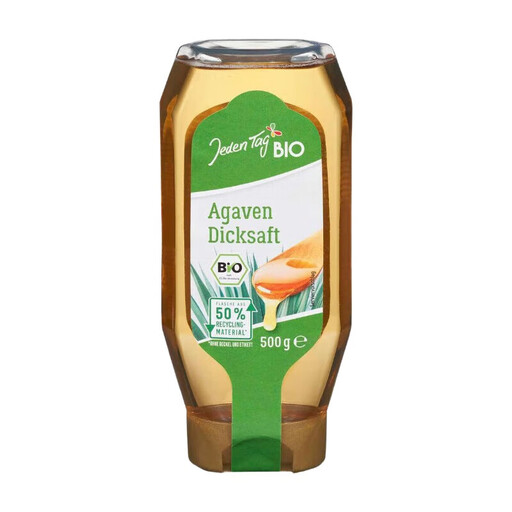
What makes this product stand out The organic agave nectar from Jeden Tag is a versatile sweetener. It is extracted from the agave plant and is distinguished by its high sweetness and mild, relatively neutral taste. Thanks to its excellent solubility, it's perfect for sweetening hot and cold drinks, yoghurt, muesli, or desserts.
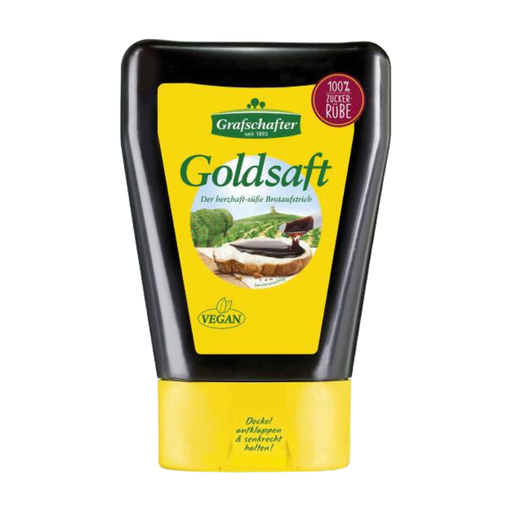
What makes this product stand out Grafschafter Goldsaft is a traditional German product made exclusively from the juice of freshly harvested sugar beets. Its unmistakable, strong and malty flavour makes it a unique syrup as a sugar substitute. It's not just a classic bread spread but also enhances sauces, dressings, and baked goods like gingerbread or dark bread.
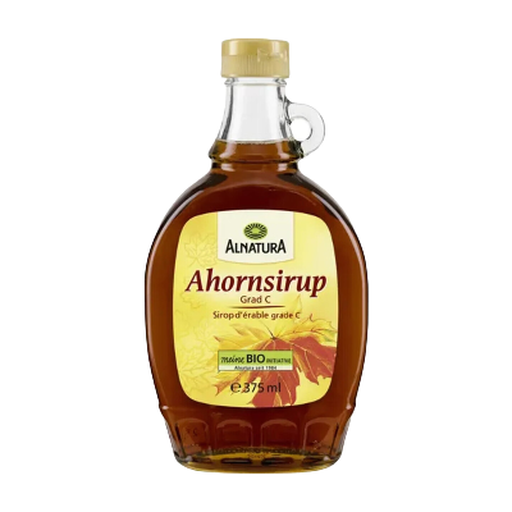
What makes this product stand out This organic maple syrup from Alnatura is sourced from Canada and is designated as Grade C. Under the newer classification system, this often corresponds to "Grade A Dark & Robust Taste". This syrup is darker and more flavourful than lighter varieties (Grade A). Its strong, caramel-like aroma makes it a classic for pancakes, waffles, and ice cream.
If the syrups featured here don't quite meet your needs or if you'd like to explore other alternatives, you can find a wider selection in our dedicated category.
Discover our full range of vegan syrup.
The choice depends on the desired result. Agave nectar is relatively neutral and very sweet. Maple syrup adds a caramel note to baked goods. Sugar beet syrup is well-suited for dark, moist doughs like those in gingerbread or dark rye bread. Keep in mind that liquid sweeteners can alter the consistency of the dough. You may need to slightly reduce the amount of other liquids in the recipe.
Agave nectar, maple syrup, and sugar beet syrup are natural sweeteners that, like table sugar, contain calories and various types of sugar (mainly fructose and glucose). Therefore, they should also be consumed in moderation. Their advantage lies in their diverse flavour profiles and the fact that, unlike highly refined sugar, they may contain small amounts of minerals and trace elements, depending on the type.
Most syrups should be stored in a cool, dry, and dark place before opening. After opening, some products, especially maple syrup, should be refrigerated to maintain quality and prevent crystallisation or mould growth. Always follow the storage instructions on the product packaging.