
Lieferung heute & morgen

Qualitätsgarantie

Willkommens-Angebote freischalten: KOSTENLOSE Lieferung | Bis zu 80 % RABATT | Kostenlose 30-Tage-JoyPlus-Testphase
App herunterladen
The search for the right sugar can quickly become overwhelming. Shelves are filled with dozens of varieties, from fine granulated sugar to exotic palm sugar. But not every type of sugar is suitable for every purpose, and unclear labels or marketing promises often lead to poor choices. Before you buy sugar online, it's important to know the most common pitfalls to avoid disappointment in the kitchen.
A common problem is having the wrong expectations for so-called "natural" sugars. Terms like "raw" or "natural sugar" often suggest an unprocessed product, even though most of these varieties also undergo a refining process. Another mistake is choosing the wrong crystal size. Anyone who tries to make a fine icing with coarse rock sugar will inevitably get a grainy result. Conversely, powdered sugar dissolves almost instantly in hot tea, making the drink sweet all at once instead of releasing its sweetness gradually.
To make the right choice, you should focus on objective criteria rather than marketing messages. Three parameters are crucial here: molasses content, crystal structure, and plant origin.
The most fundamental difference between types of sugar lies in their degree of refinement.
The size and shape of the sugar crystals determine how quickly and evenly the sugar dissolves.
While sugar in Europe is primarily produced from sugar beets, other plants offer interesting flavour alternatives.
Depending on the intended use, different types of sugar are the right choice. Here are some recommendations tailored to specific needs.
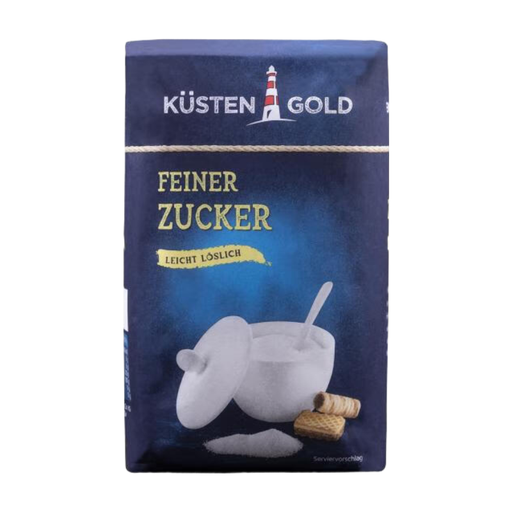
Why it's a good fit: This is a classic, versatile household sugar suitable for almost all everyday applications—from sweetening morning coffee and baking simple cakes to cooking.
This product is a pure refined sugar without misleading labels. Its function is clearly defined: universal, neutral sweetness.
The extra-fine crystals dissolve quickly and without residue, ensuring clump-free results in batters and liquids.
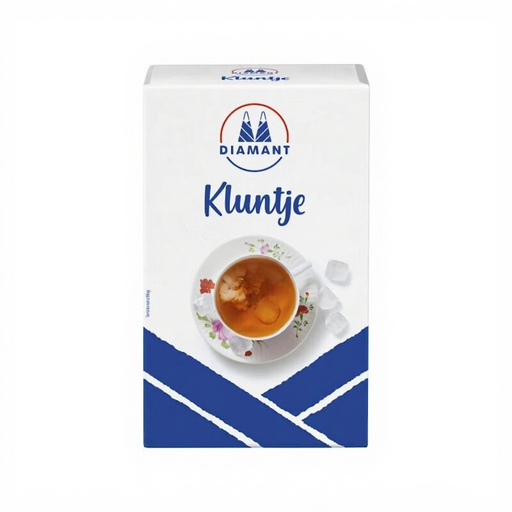
Why it's a good fit: Ideal for the traditional East Frisian tea ceremony or for anyone who wants to sweeten their tea or coffee slowly and deliberately. The large crystals are also a visual highlight.
This product intentionally offers slow solubility, avoiding the mistake of using fine sugar that instantly over-sweetens the drink.
The large crystals dissolve very slowly, releasing sweetness gradually for a long-lasting, mild sweetening experience that can last through several cups of tea.
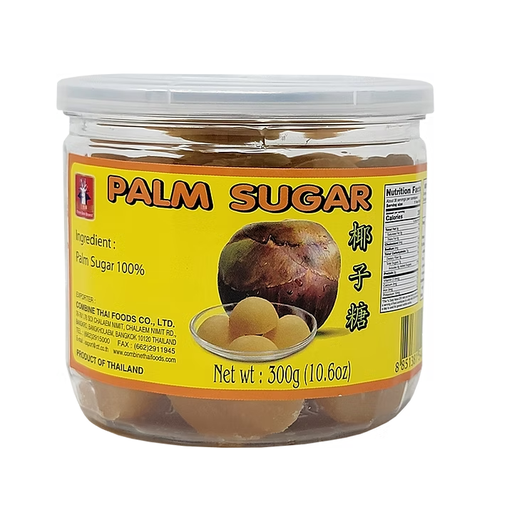
Why it's a good fit: Indispensable for anyone looking to prepare authentic Southeast Asian dishes like curries, sauces, or desserts. Its unique flavour is a central element of the recipe.
This is genuine palm sugar, not an imitation made from coloured refined sugar. It delivers the complex aroma required for Asian cuisine.
It offers a rich, caramel-like sweetness with a subtle smoky note, lending a distinctive depth and authenticity to dishes.
We have compiled a complete, up-to-date list of products that fully meet these strict selection criteria and quality standards.
Sugar is hygroscopic, meaning it attracts moisture from the air. To prevent clumping, it should always be stored in an airtight container in a cool, dry place. This is especially true for powdered sugar and brown sugar, which are more susceptible to moisture due to their fine texture and molasses content, respectively.
The difference lies in the origin of the flavour. Vanilla sugar, like Dr. Oetker's Bourbon Vanilla Sugar, contains ground vanilla beans or natural vanilla extract. Vanillin sugar, like the one from RUF, is flavoured with synthetically produced vanillin. Both impart a vanilla flavour to baked goods, though Bourbon vanilla sugar is often perceived as having a more complex taste.
A direct substitution is not always recommended. Replacing white sugar with brown sugar can change the result, as brown sugar adds more moisture and a distinct flavour. In cookies, this can lead to a softer, chewier texture. Powdered sugar has a different volume than granulated sugar and often contains anti-caking agents like cornstarch, which can also affect the consistency of batters. It is advisable to stick to the type of sugar specified in the recipe or adjust the quantities accordingly.