
Lieferung heute & morgen

Qualitätsgarantie

Willkommens-Angebote freischalten: KOSTENLOSE Lieferung | Bis zu 80 % RABATT | Kostenlose 30-Tage-JoyPlus-Testphase
App herunterladen
Sugar-free drinks are a practical alternative to classic soft drinks, sports drinks and energy drinks for many people. However, anyone who focuses solely on terms such as “Zero”, “isotonic” or “with vitamins” can easily overlook important differences in caffeine content, electrolytes, serving size, sweeteners and packaging.
This buying guide from the Joybuy Product Recommendation Officer helps you choose suitable products for training, the office, studying, gaming and on the go—without relying solely on advertising claims.
A drink can contain 0 g of sugar and still provide small amounts of carbohydrates or calories. That is why it is worth checking the nutritional information per 100 ml and per serving. For ready-to-drink products, it is also important to determine whether the information refers to the entire bottle or only to a smaller serving.
According to the product information, the sports drinks featured here generally contain around 0 to 3 kcal per 100 ml. For drink concentrates, however, the recommended dilution must be taken into account.
A drink containing B vitamins is not automatically an electrolyte drink. The most relevant minerals are sodium, potassium, magnesium and calcium. Anyone looking for sugar-free sports drinks for longer or particularly strenuous sessions should therefore check the mineral profile rather than relying solely on the word “sport”.
For example, Powerade and Gatorade Zero list sodium or salt in their product information. ESN Hydro Charge Iso Drink also specifies potassium, calcium, magnesium and zinc.
For energy drinks, “Zero” primarily describes the sugar and calorie content—not the effect of the drink. According to the product data, Red Bull Zero and Red Bull Pink Edition Sugarfree contain 32 mg of caffeine per 100 ml. In a 250-ml can, this corresponds to 80 mg of caffeine.
According to the labelling, these products are not recommended for children, pregnant or breastfeeding individuals, or people who are sensitive to caffeine. Anyone with high blood pressure or heart disease should also follow the information provided on the respective packaging. Energy drinks should not be considered a substitute for adequate hydration during sports.
For a clear assessment, you should check at least the following values:
A product containing 1 kcal per 100 ml can still add up to a significant total amount when purchased as a large multipack. For price comparisons, it is advisable to look at the cost per litre rather than the pack price alone.
For regular breaks at the office or during study sessions, water or a low-calorie drink chosen according to personal taste is often sufficient. During training and longer activities, sugar-free isotonic drinks can be a convenient ready-to-drink option. Check the following points:
According to the product information, ESN Hydro Charge Iso Drink Lemon contains 15 kcal per 500-ml bottle, 0 g of sugar, as well as sodium, potassium, calcium, magnesium and zinc. Powerade Mountain Blast and Powerade Blackcurrant are offered as sugar-free, isotonic sports drinks in packs of 12 × 500 ml.
Sugar-free drinks often use sweeteners such as sucralose, acesulfame K, cyclamate or saccharin. If you want to avoid specific sweeteners, check the ingredients list before purchasing. Red Bull Zero also lists a source of phenylalanine—an important note for people with phenylketonuria.
Concentrates save space but require accurate dosing. Best Body Nutrition Vital Drink Zero, for example, is mixed at a ratio of 1:80. Depending on the variant, the opened product should be refrigerated and consumed within the stated period. According to the product labelling, the concentrate must not be consumed undiluted.
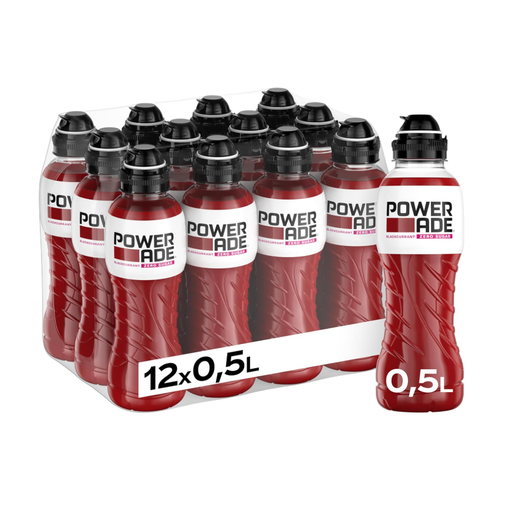
Why it’s a good fit: The 12-pack of 500-ml bottles is ideal for regular training sessions, commuting or keeping a supply at home. According to the product information, one 100-ml serving contains 0 g of sugar and 1.43 kcal.
The nutritional information lists sugar, energy and salt separately. This makes it easier to compare the drink objectively with other sports drinks.
Ready to drink, 12 × 500 ml, with sodium or salt and vitamin B6 according to the labelling.
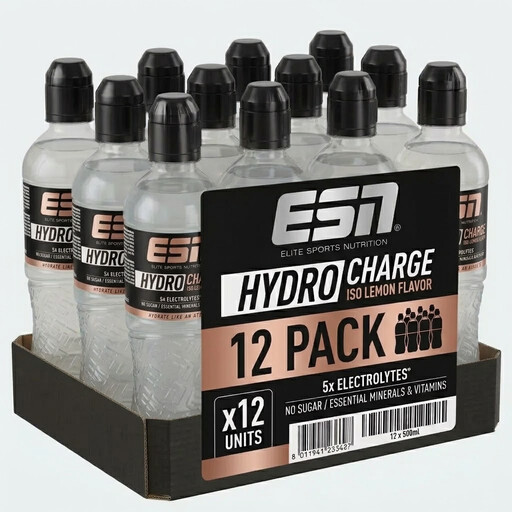
Why it’s a good fit: For fitness enthusiasts and athletes looking for a ready-to-drink electrolyte beverage containing several minerals. According to the product data, each 500 ml provides 15 kcal and 0 g of sugar.
The mineral profile is more informative than generic vitamin-focused marketing. Before purchasing, you can check whether the formulation suits your intended use.
According to the product description, it contains sodium, potassium, calcium, magnesium, zinc and B vitamins.
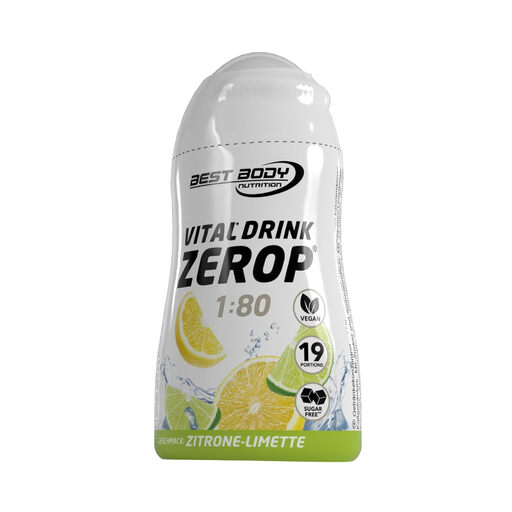
Why it’s a good fit: The compact sugar-free drink concentrate fits easily into bags and drawers. Mixed with water, it is well suited to the office, university or travel.
The recommended mixture of 2.5 to 3 ml per approximately 200 to 250 ml of water helps prevent the concentrate from being consumed undiluted by mistake.
Compact packaging, 1:80 dilution and, according to the supplier, approximately 1 kcal per serving on average.
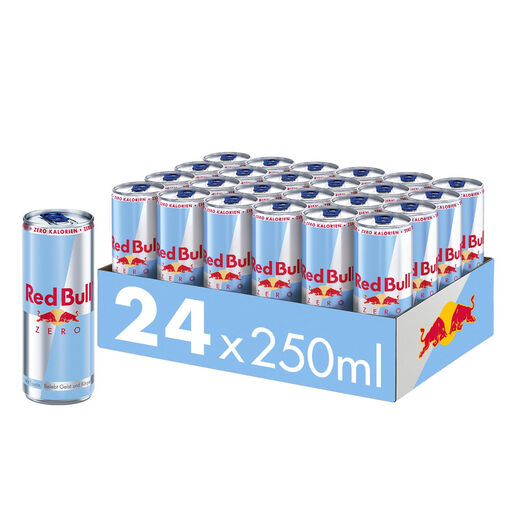
Why it’s a good fit: The 24-pack of 250-ml cans is ideal for users who want to store sugar-free energy drinks in convenient individual portions—for example, at work or while gaming.
The caffeine content is not concealed by the word “Zero”: according to the product data, the drink contains 32 mg of caffeine per 100 ml. The warnings should be read before purchasing.
0 g of sugar and 2 kcal per 100 ml according to the labelling; ready-to-drink individual portions with no mixing required.
We have put together a current selection of products that can be compared based on their ingredients, nutritional values and practical product features.
No. For short or low-intensity sessions, water is sufficient for many people. Sugar-free isotonic drinks can be a convenient alternative when you want flavour, electrolytes and ready-to-drink packaging. The right choice depends on the duration and intensity of the activity, as well as your individual fluid requirements.
That depends on the price per litre and the actual dilution ratio. A 12 × 500-ml pack of sports drinks is ready to use immediately but requires more storage space. A concentrate reduces transport and storage requirements and can provide many servings when mixed correctly. For this reason, compare the price per litre of prepared drink.
Unopened bottles, cans and concentrates should be stored in a cool, dry place away from direct sunlight, in accordance with the packaging instructions. Depending on the manufacturer’s instructions, opened concentrates should be refrigerated and consumed within the stated period. Opened cans should generally be consumed immediately.