
Lieferung heute & morgen

Qualitätsgarantie

Willkommens-Angebote freischalten: KOSTENLOSE Lieferung | Bis zu 80 % RABATT | Kostenlose 30-Tage-JoyPlus-Testphase
App herunterladen
A sugar-free protein bar may seem like a simple solution for training, the office or when you’re out and about. However, terms such as “Zero”, “Low Carb” and “no added sugar” do not automatically mean the same thing. If you only look at the front of the packaging, you can easily overlook relevant carbohydrates, sugar alcohols, allergens or a small serving size.
These three purchasing misconceptions are particularly common:
The nutrition table should always be considered per bar, not just per 100 grams. A 40-gram bar with 20 grams of protein needs to be assessed differently from a 90-gram chocolate product with 30 grams of protein per 100 grams.
For a high-protein snack, the following values may be of interest depending on your dietary goals:
For example, according to the product details, the Premier Protein 50% Bar Chocolate Caramel provides 20 grams of protein and no more than 0.8 grams of sugar per 40-gram bar. By contrast, the nutrition table for Corny Haferkraft Zero Peanut Butter lists 4.9 grams of protein and 1.2 grams of sugar per 100 grams. The second bar is therefore more of a vegan oat snack than a classic high-protein fitness bar.
The description protein bar with no added sugar means that no additional sugar was used during production. Naturally occurring sugars may still be present. “Sugar-free” is a separate claim and should be checked against the nutritional information.
Many low-sugar protein bars use maltitol, sucralose, sorbitol or other sweeteners. These can reduce the sugar content, but do not automatically change the carbohydrate content. Products containing more than 10 grams of polyols per 100 grams often carry a warning about possible digestive discomfort if consumed in excess. For this reason, it is advisable to follow the recommended serving size on the packaging.
Milk protein, whey protein, soya, collagen, peanuts, nuts and gluten-containing cereals are found in many bars. If you follow a vegan diet, you should look beyond “no added sugar” and check the complete ingredients list. A bar containing oats and peanuts may be vegan, but could still contain gluten or traces that must be declared.
The pack size also affects your purchasing decision. A protein bar multipack with 12 or 16 individual portions is suitable for regular use, while a single 50- or 90-gram bar may be a good choice for trying a flavour initially.
The following selection categorises products based on clear details such as protein content, sugar value, ingredients, pack size and dietary type.
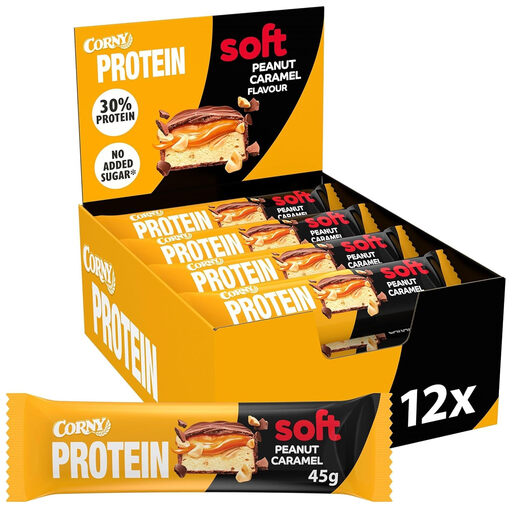
Why this product suits this profile: The pack of 12 contains 45-gram portions for the office, commuting or regular snacking. According to the product details, each bar provides 13.5 grams of protein and 1.8 grams of sugar.
The nutritional values list sugar and polyols separately. This makes it easier to distinguish “no added sugar” from a product that is low in carbohydrates overall.
12 individual bars, 30 per cent protein according to the product description, and a soft peanut-caramel texture.
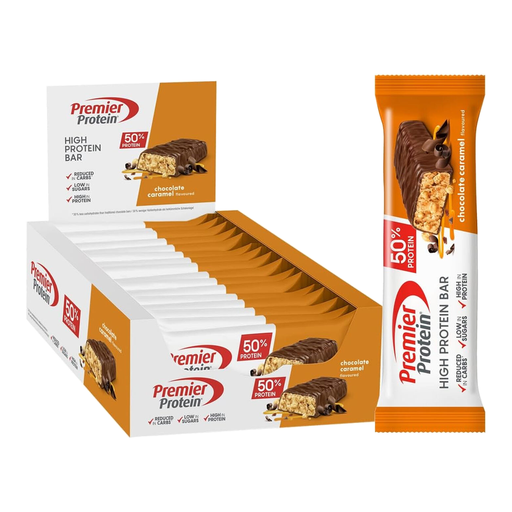
Why this product suits this profile: This bar is aimed at adults who want to combine a high protein content with a low sugar value and a palm-oil-free recipe.
The product details state a value of no more than 0.8 grams of sugar per bar, rather than simply promoting it as “Low Sugar”.
20 grams of protein per bar, 16 individual portions and 26 grams of carbohydrates per 100 grams according to the product data.

Why this product suits this profile: The 64-gram portion is designed for strength training, longer working days or travel. According to the product description, it contains 20 grams of protein and fewer than 3 grams of net carbohydrates.
The sugar and net carbohydrate values are listed separately. The product also highlights the possible effects of consuming excessive amounts of polyols.
12 individually wrapped bars, layers with a crunchy texture and a reduced-carbohydrate recipe according to the product details.
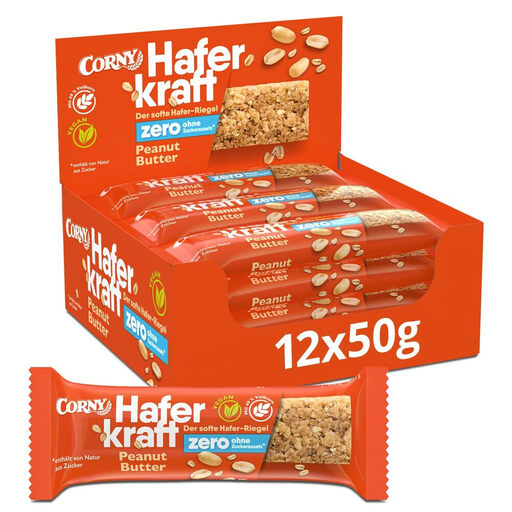
Why this product suits this profile: This vegan oat snack is suitable for people who avoid animal-based ingredients and prefer a soft bar when they’re out and about.
The product description specifically points out that naturally occurring sugars are present. This prevents the term “Zero” from being confused with completely sugar-free.
Vegan, 12 bars weighing 50 grams each and 49 per cent rolled oats according to the ingredients list. The protein value is 4.9 grams per 100 grams.
We’ve put together a complete, regularly updated list of products that fully meet these strict selection criteria and the safety regulations applicable in the EU.
No. “Sugar-free” refers to the sugar content, not necessarily the total amount of carbohydrates. For a low-carb protein bar, you should also check the carbohydrates, fibre and polyols per serving.
This depends on your personal diet and protein requirements. The serving recommendation on the packaging should be followed. With bars containing maltitol, sorbitol or other polyols, excessive consumption may have a laxative effect. A bar should not permanently replace regular meals.
The best-before date is shown on the packaging. Until then, the bars should be stored in a dry, cool place away from direct sunlight. With chocolate coatings, high temperatures may affect the consistency, but this alone does not indicate a faulty recipe.