
Lieferung heute & morgen

Qualitätsgarantie

Willkommens-Angebote freischalten: KOSTENLOSE Lieferung | Bis zu 80 % RABATT | Kostenlose 30-Tage-JoyPlus-Testphase
App herunterladen
If you want to buy sugar-free sweets online, you’ll find a wide selection of sweets, chewing gum and lozenges. However, the products differ in more than just flavour and pack size. Sweeteners, allergens, recommended consumption and the intended use all play an important role too.
Even with seemingly simple products, three common marketing traps can easily lead to the wrong purchase:
For sugar-free sweets, a sweetener usually appears in the ingredients list instead of sucrose. Commonly used options include:
Consuming large amounts of polyols can have a laxative effect. Several of the products mentioned here expressly include this warning. Anyone with intolerances should compare the nutritional information and ingredients list before buying. For products containing aspartame, the warning about a source of phenylalanine is also relevant.
Not every sugar-free product is suited to the same everyday situations:
For families, the recommended minimum age is also important. According to the product information, some lozenges are not intended for children under five. Boiled sweets and chewing gum should always be used in accordance with the packaging instructions.
A large tin is not automatically more economical if the product is only consumed occasionally. For regular use, packs containing 50 to 70 pieces or multipacks may be a sensible choice. Small 25-g packs are better suited to trying a product or taking it with you on short trips.
Also look out for:
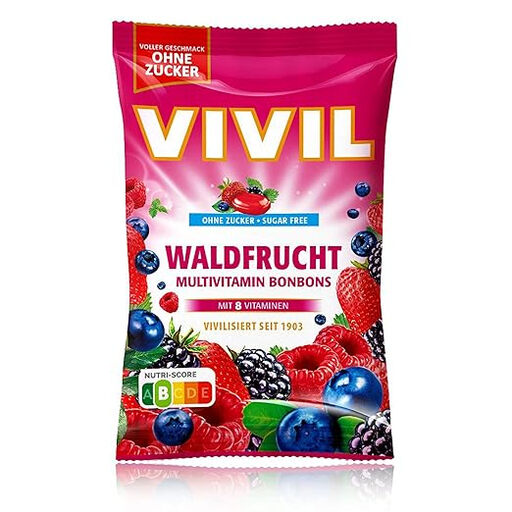
Why this product suits this profile: The 120-g pack offers a fruity forest berry flavour and is ideal for shoppers looking for sugar-free fruit sweets for everyday enjoyment.
The product information states 0 g of sugar per 100 g and also warns of a possible laxative effect if consumed excessively.
120 g of product, plus vitamin C, vitamin E and B-vitamin information based on the product description; natural flavours and colours are also listed.
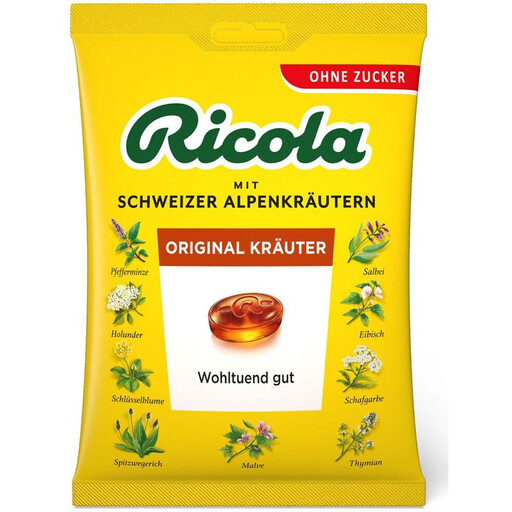
Why this product suits this profile: The combination of herbal extract, menthol and mint oils is aimed at adults who prefer sugar-free herbal sweets with a classic flavour profile.
The ingredients list identifies isomalt as the sweetener. It also states 0 g of sugar per 100 g and includes a warning about a possible laxative effect.
75-g pack, 1% herbal extract and an explicitly listed blend of 13 herbs, according to the product description.
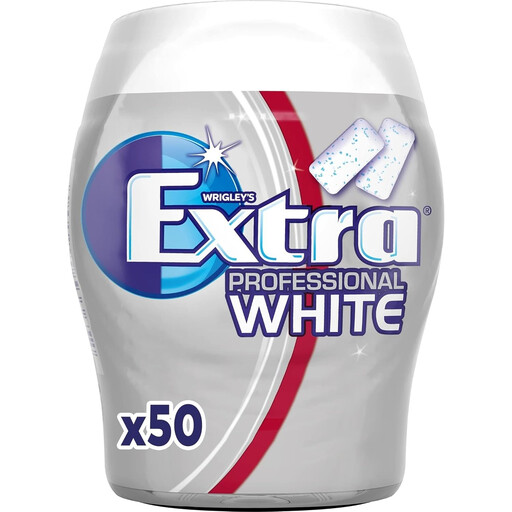
Why this product suits this profile: The tin containing 50 pellets is designed for the office, car or handbag and is suitable for people who regularly use sugar-free chewing gum.
The nutritional information states 0 g of sugar and 60 g of polyols per 100 g. However, the ingredients list includes aspartame and soya lecithin, among other ingredients.
50 pieces, mint and menthol flavour, plus xylitol and sorbitol as the listed sweeteners.
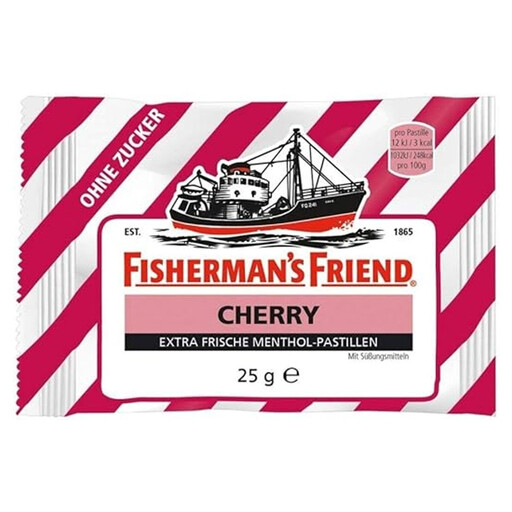
Why this product suits this profile: According to the product description, this variety is vegan, vegetarian and lactose-free. The cherry flavour and menthol appeal to shoppers looking for fruity sugar-free lozenges with a pronounced freshness.
The pack states 25 g of product, no listed allergens and a clear warning: not suitable for children under five, and excessive consumption may have a laxative effect.
Cherry flavour, 0.55% menthol according to the product information and compact packaging for taking with you.
We’ve put together a complete, regularly updated list of products that fully meet these strict selection criteria and the safety regulations applicable in the EU.
No. Sugar-free sweets often contain polyols, which are listed in the nutritional information as carbohydrates or polyols. Calorie values vary depending on the recipe. Always check the information per 100 g and the recommended serving size.
The best-before date is shown on the relevant packaging. Unopened products should be stored in a dry, cool place, protected from moisture. After opening, reseal the pack securely so that sweets and lozenges retain their texture.
According to product descriptions, some sugar-free chewing gums are promoted as helping to neutralise plaque acids or support the natural colour of teeth. These are product-related claims and are not a substitute for brushing your teeth, flossing or attending check-ups. It is also important to check whether the sweeteners and other ingredients used meet your own requirements.