
Lieferung heute & morgen

Qualitätsgarantie

Willkommens-Angebote freischalten: KOSTENLOSE Lieferung | Bis zu 80 % RABATT | Kostenlose 30-Tage-JoyPlus-Testphase
App herunterladen
A summer duvet 135x200 cm fits the standard single bed size in Germany. Yet choosing one isn't just about dimensions. Fill weight, material, washability and certifications determine whether the duvet is too warm, too heavy or too high-maintenance for everyday use.
With offers that use terms like "hypoallergenic", "breathable" or "natural", it's worth taking a closer look. Not every lightweight duvet is automatically suitable for warm bedrooms, sensitive skin or regular washing.
A thin duvet can feel light and still trap heat if the cover doesn't absorb moisture well. For warm nights, it's not just the gram count that matters – the filling material and cover are equally important.
A summer filling with, for example, 200 g/m² is a useful technical benchmark. Whether the duvet is right for you also depends on room temperature, your personal warmth preference and what you wear to bed.
The term doesn't automatically refer to a specific legal testing standard. Buyers should check what the claim relates to: the filling, the cotton cover, dust mite resistance or a specific material test.
A duvet for allergy sufferers should ideally have a tightly woven cover and be machine-washable according to the manufacturer's instructions. However, if you have a known dust mite allergy, the product description is no substitute for individual medical advice.
A washable all-season duvet or 4-seasons duvet can be practical, but in summer it may be warmer and heavier than a specialised summer duvet. With two-part models, buyers should also check whether both duvets can be separated and used individually.
The standard size 135x200 cm is designed for one person. It should fit your bed, your duvet cover and your preferred freedom of movement. A cover in the wrong size can create wrinkles or cause the filling to shift unevenly.
If you need to cover a larger sleeping area, look at alternatives such as 155x220 cm or 200x220 cm. However, length or width alone tells you nothing about the warmth level.
A summer down duvet is usually lightweight and, with the right construction, can achieve a low fill weight. A feather duvet 135x200, on the other hand, contains a higher proportion of feathers. Feathers have more quill and can feel firmer.
When evaluating, look for the following details:
Synthetic fibre duvets are often easier to care for. Natural feather-and-down fillings, however, appeal to buyers who value a particular material feel and a low fill weight.
A down duvet with an Öko-Tex certificate should display a specific OEKO-TEX designation or test number. Depending on the standard, OEKO-TEX relates to the testing of textiles and potential harmful substances. The label does not indicate a specific warmth level.
With an RDS-certified duvet, RDS stands for a standard that sets requirements for animal welfare in the supply chain of down and feathers. Additional evidence such as Downpass may also be mentioned. What matters is whether the certification can actually be assigned to the specific product.
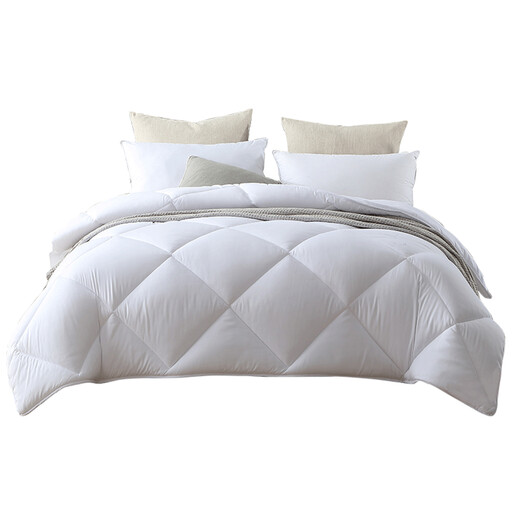
Why this product fits the profile: This washable all-season duvet appeals to buyers looking for a versatile option for summer, autumn and winter.
The product details mention washability and multi-season use, rather than relying solely on a summer warmth promise.
135 x 200 cm; described as breathable, non-allergenic and washable according to product information.
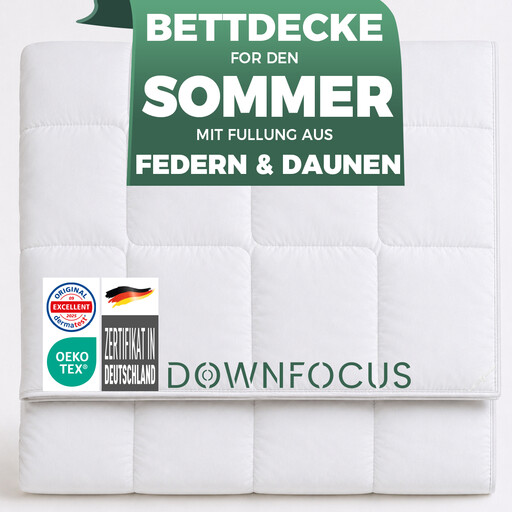
Why this product fits the profile: This model is aimed at buyers who want a natural feather-and-down filling and value OEKO-TEX and RDS information.
The stated fill weight of 200 g/m² makes its classification as a lightweight summer duvet clear. The certification details should be checked against the specific offer before purchase.
90 % feathers and 10 % down according to the product description; OEKO-TEX, RDS and Downpass details are listed.
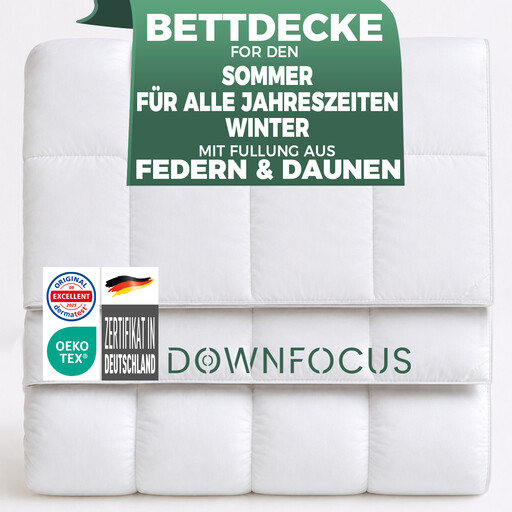
Why this product fits the profile: Two combinable fillings offer an option for people who want to switch between a summer duvet and an extra layer for cooler months.
This design separates the needs of warm and cooler nights across two fillings. That means you don't have to buy a completely new duvet for each season.
A summer filling with 200 g/m² and an all-season filling with 450 g/m² according to product details; OEKO-TEX and RDS information is provided.
We've put together a full, regularly updated list of products that fully meet these strict selection criteria and the safety regulations in force in the EU.
Before buying a breathable duvet, check the care instructions. A washable duvet usually needs enough space in the washing machine and must be dried thoroughly. With feather-and-down fillings, a tumble dryer programme according to the care label may be necessary to prevent any residual moisture.
Also worth doing:
A value around 200 g/m² is commonly used for lightweight summer fillings. There's no one-size-fits-all recommendation, as room temperature and personal warmth preference are key. For very warm bedrooms, a lower fill weight may be better, while those who feel the cold easily might prefer a slightly warmer option.
That depends on the cover, construction, care instructions and individual allergies. A tightly woven shell can reduce contact with the filling and the ingress of dust mites. Claims like "hypoallergenic" should always be assessed alongside specific material and care details.
This depends on the care label, how often you use it and your personal needs. A regularly washed, machine-washable duvet cover reduces the strain on the duvet itself. With feather and down fillings, the recommended wash temperature, detergent amount and drying method are especially important to prevent the filling from clumping.