
Lieferung heute & morgen

Qualitätsgarantie

Willkommens-Angebote freischalten: KOSTENLOSE Lieferung | Bis zu 80 % RABATT | Kostenlose 30-Tage-JoyPlus-Testphase
App herunterladen
A summer duvet should not feel unnecessarily heavy in high room temperatures, while still providing a comfortable sleeping experience. If you tend to sweat easily, experience hot flushes or feel uncomfortable under thick duvets, pay particular attention to breathability, low weight and easy care.
However, the product description alone does not always provide enough information to make the right choice. Some claims suggest powerful cooling but reveal little about dimensions, washability or the intended use. The following criteria help you avoid common purchasing mistakes and find a suitable summer duvet for the bedroom, sofa or travel.
A cooling summer duvet can feel fresh when it first comes into contact with the skin. This effect depends, among other things, on the cover, fibre structure and room temperature. It does not automatically mean that the duvet will actively cool you throughout the night.
You should therefore also look for:
A 150x200 cm summer duvet is generally suitable for single beds and many standard mattresses. For two people, it may be too narrow, leaving little overhang at the sides. Double or king-size beds are better suited to formats such as 200x230 cm, 240x200 cm or 240x290 cm.
Be aware of the difference: a 240x200 cm duvet is designed as a bed duvet, whereas a 240x290 cm model can also be used as a generously sized bedspread or lightweight sheet. Before buying, compare the mattress width, desired overhang and the height of the users.
A machine-washable duvet is practical in summer, particularly if you sweat heavily. However, washing temperatures, drying requirements and material compatibility can vary considerably.
Check the following before buying:
Technical cooling fibres can be damaged by high temperatures. A lightweight duvet should therefore always be cared for in accordance with the care label.
Cotton is frequently used for summer duvets because of its skin-friendly feel and breathability. Depending on the weave, it can feel pleasantly natural, but is not always particularly lightweight.
Polyester microfibre is easy to care for, usually dries quickly and can be used as a filling or cover material. Its feel and breathability depend largely on the specific construction.
Some cooling duvets for sleeping use specially developed cooling fibres. According to the product information, the Laneetal model uses an Arc-Chill fibre with a Q-Max value above 0.45. Q-Max describes the initial heat transfer when the fabric comes into contact with the skin. This value is a product specification, not a blanket guarantee of a particular room or body temperature.
A lightweight summer duvet should provide sufficient coverage without having a high overall weight. Feathers and down can combine warmth with lightness, while synthetic fillings are often easier to wash.
According to the product description, the vidaXL summer duvet contains a feather and down filling and weighs 2.1 kg. Compared with very thin cooling or travel duvets, this is considerably heavier. People who are particularly sensitive to heat may find a lighter model more suitable.
Even quilting keeps the filling in place and reduces shifting inside the duvet. This is particularly important if the duvet is washed frequently. Look for clear information about the construction rather than relying solely on terms such as “extra soft” or “temperature-regulating”.
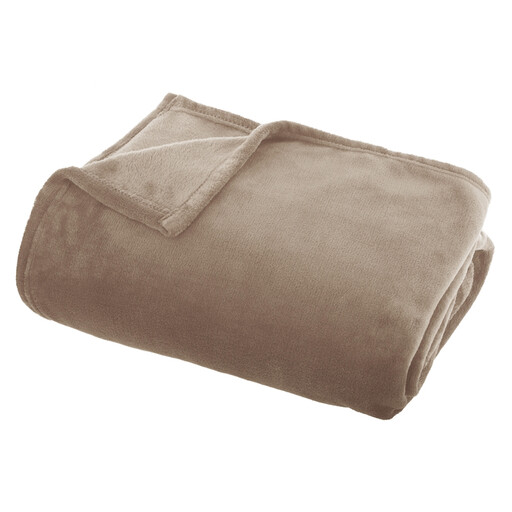
Why This Fits Their Persona: The compact format is suitable for individuals, sofas, travel or as an additional lightweight layer in the bedroom.
The product details specify the exact size and a cold machine wash on a gentle cycle. This makes it easier to assess its intended use than with a duvet that is described vaguely.
130 x 180 cm; polyester flannel with a linen look; suitable as a sofa blanket, bed duvet or travel companion.
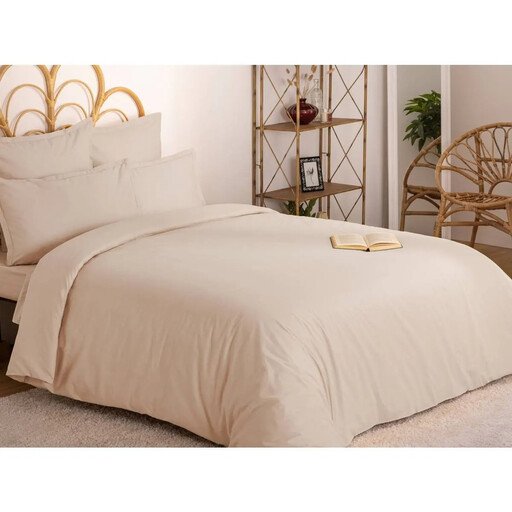
Why This Fits Their Persona: For couples and households with double or king-size beds, the generous format provides ample coverage and versatile uses.
The dimensions are clearly stated, allowing buyers to check the required overhang instead of choosing a duvet that is too small for two people.
240 x 290 cm; according to the product details, 100% cotton; suitable as a sheet, lightweight duvet or additional bed covering.
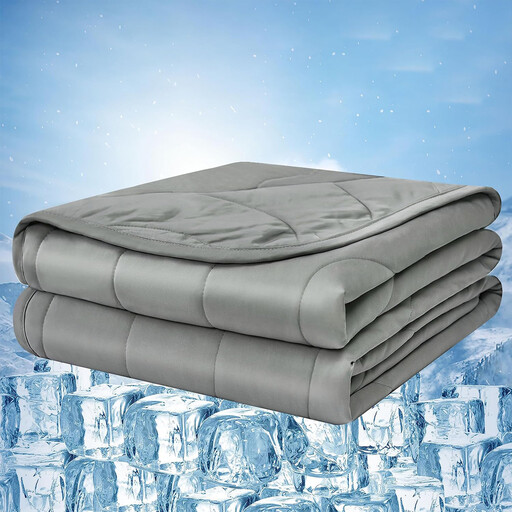
Why This Fits Their Persona: The single-bed format and specified Arc-Chill cooling fibre are aimed at people looking for a lightweight duvet for warm nights.
The product details specify a Q-Max value above 0.45, a maximum washing temperature of 40 °C and the recommendation to avoid high dryer temperatures. This provides concrete points of comparison.
150 x 200 cm; lightweight microfibre filling; according to the product details, breathable and moisture-wicking.
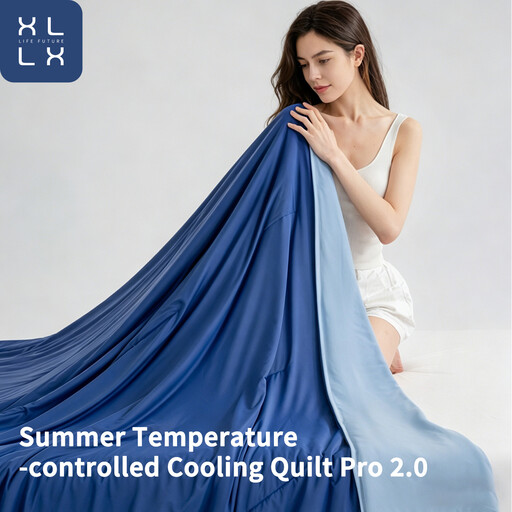
Why This Fits Their Persona: The reversible construction suits users who want to choose between a cooler or softer side depending on how warm they feel.
The two differently textured sides make the functionality easy to understand. The care instructions specify a gentle wash below 30 °C and air drying.
Reversible design; available in 150 x 200 cm and 200 x 230 cm; designed for use on beds, sofas, in the office, car or while travelling.
We have compiled a current selection of products that take these key criteria for a lightweight duvet into account.
The vidaXL Summer Duvet 240 x 200 cm is an appealing choice for users who prefer a classic duvet with a cotton cover and feather-and-down filling. According to the product description, it weighs 2.1 kg, its filling is secured in cassette quilting and it can be washed at up to 40 °C.
It is therefore more of a traditional summer duvet for a double bed than an especially lightweight cooling duvet. Anyone who values natural filling materials should also consider the care requirements, weight and individual tolerance.
150x200 cm is a common format for a single bed. Double beds can accommodate 200x230 cm or 240x200 cm. A 240x290 cm size provides additional overhang and can also be used as a lightweight sheet. The decisive factors are the mattress dimensions, bed width and the level of coverage you want.
Always follow the care label. Technical cooling fibres are often washed at a maximum of 30 or 40 °C on a gentle cycle. Avoid bleach and high dryer temperatures if the product information advises against them. The duvet must be completely dry before it is stored.
Its service life depends on the material, washing frequency, drying method and storage conditions. Even quilting can help keep the filling in position. Replace the duvet if the seams are damaged, the filling remains permanently lumpy or the material changes noticeably despite proper care.