Active days out
After doing sport or going on an excursion, you may want to choose an easy-to-carry savoury snack. Check the protein and energy per 100 g. Salt and ingredients matter too, even when protein is your main priority.


If you’re looking for a protein-focused savoury snack for the summer holidays, compare the proportion of protein in the total energy content rather than just the grams of protein per 100 g. Nut mixes and classic peanut snacks also provide protein, but the products mentioned here don’t put protein first to the same extent. Salt, energy, ingredients and pack size can also affect your choice.
After doing sport or going on an excursion, you may want to choose an easy-to-carry savoury snack. Check the protein and energy per 100 g. Salt and ingredients matter too, even when protein is your main priority.
For a car journey or a walking break, you might choose a nut mix and divide the pack into suitable portions. As well as protein, take the energy and fat content into account.
If you’re buying for several people, you may be most concerned with finding a suitable pack size and checking the ingredients. The fact that a classic peanut snack contains protein doesn’t automatically make it a protein-focused choice.
First decide whether a high proportion of protein, suitable ingredients or a format that’s easy to carry and share matters most to you. Then compare the nutritional information per 100 g with the amount you’re actually planning to eat.
| Criterion | What to check when buying | Who it matters most to |
|---|---|---|
| Protein content | Compare protein and energy per 100 g. EDEKA uses a protein content of at least 20% of total energy as a guide to what counts as high in protein. | After an active day out, I want to make protein a specific consideration, rather than relying only on a number on the front of the pack. For around 36% of consumers, protein content comes first. |
| Ingredients and allergens | Read the ingredients list, highlighted allergens and trace warnings on the current pack. A vegan label doesn’t replace these checks. | If several people will be eating the snack, or there are ingredients I need to avoid, it must suit those requirements. This is the main concern for around 29% of consumers. |
| Energy, fat and salt | Compare all three per 100 g, then consider your portion size. The North Rhine-Westphalia Consumer Advice Centre points out that less fat in alternative crisps doesn’t necessarily mean a similar reduction in calories. | When I’m out and about, I don’t just want to look at protein; I also want to know what’s in my portion overall. Around 21% of consumers prioritise these nutritional values. |
| Pack and shopping | Choose a size that works for carrying or sharing, and check what’s actually available at your chosen retailer. | I need something easy to carry for a journey, but for an evening during the holidays I’d prefer a snack to share. For around 14% of consumers, this practical consideration comes first. |
A nut mix or peanut snack can contain protein without protein making up a similarly large proportion of its total energy. So the number of grams alone doesn’t tell you how protein-focused the product is overall.
Compare protein and energy using the same basis: multiply the grams of protein by 4 kcal, then divide by the stated kcal. EDEKA uses 20% of total energy as a guide to what counts as “high in protein”.
According to the North Rhine-Westphalia Consumer Advice Centre, a lower fat content in vegetable or pulse-based crisps doesn’t automatically mean a similar reduction in calories. Salt is another factor to compare in its own right.
Check the energy, fat and salt per 100 g, and consider whether you’ll be taking one portion or the whole pack with you.
Pulse-based snacks may contain other ingredients or carry trace warnings. Lorenz lists peanuts, wheat, soya and cheese powder among the ingredients in NicNac's Original; the labelled funny-frisch Curry Protein Chips may contain milk.
For every pack you buy, check the ingredients list, highlighted allergens and any warnings about possible traces.
ALDI SÜD warns that promotional products are available in limited quantities. Nutritional information may also vary between products from different suppliers.
If you’re shopping for an excursion, keep an alternative of the same type of snack in mind and compare the information on its current pack.
These examples cover different types of snack. The ingredient and nutritional information relates to the products named, not to each brand’s entire range.
Protein Chips Sweet & Spicy Curry Style are an example of crisps made from pulses.
NicNac's Original is a peanut snack that Lorenz offers in a range of pack sizes.
FARMER includes the nut mix featured here, while ALDI SÜD also sells protein crisps under ALDI SPORTS.
Lidl describes Alesto as a range of nuts, dried fruit and seasoned party snacks.
The More Protein Tortilla Chips Sour Cream & Onion listed by REWE are a specific example of a protein-focused variety of crisps.
EDEKA offers a useful way to consider classic savoury snacks and protein-focused options separately.
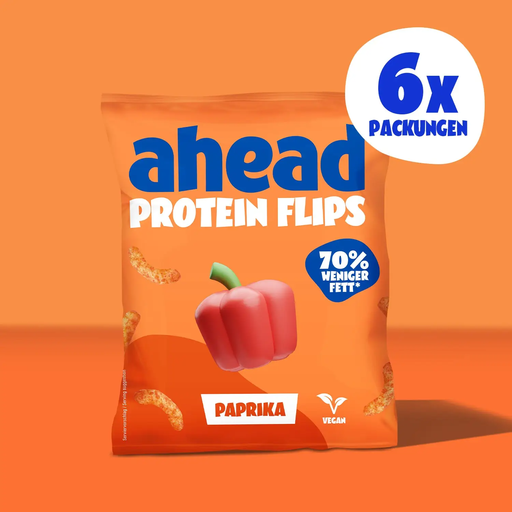
This Joybuy selection features paprika-flavoured protein flips in a tray of six 50 g packs. The format could work for individual days out or for sharing; check the information on the current pack to make sure it meets your protein priorities and ingredient requirements.
 No image available
The six 50 g packs can be divided up for a day out. If you’re choosing specifically for the protein content or need to avoid certain ingredients, check the nutritional information and allergen warnings on the current pack.
Compare protein and energy using the same basis, such as per 100 g: multiply the grams of protein by 4 kcal, then divide by the stated kcal. EDEKA uses a proportion of at least 20% of total energy as a guide to what counts as “high in protein”; you should also assess the other nutritional values and ingredients.
No, that doesn’t follow from the type of snack or a lower fat content. The North Rhine-Westphalia Consumer Advice Centre points out that less fat in vegetable or pulse-based crisps doesn’t automatically mean a similar reduction in calories. Compare the energy and salt per 100 g, as well as your portion size.
No, check the ingredients list and trace warnings on the current pack. For example, Protein Chips Sweet & Spicy Curry Style, which funny-frisch labels vegan and gluten-free, may contain milk.
Check the ingredients, allergens, nutritional information and pack size of the product you choose. ALDI SÜD notes that nutritional values may vary between products from different suppliers; EDEKA also points out that details on the packaging may differ from information shown online.