
Lieferung heute & morgen

Qualitätsgarantie

Willkommens-Angebote freischalten: KOSTENLOSE Lieferung | Bis zu 80 % RABATT | Kostenlose 30-Tage-JoyPlus-Testphase
App herunterladen
A sun hat with UV protection should do more than just look good. Whether you’re hiking, fishing, camping, playing golf, running or gardening, the brim width, neck coverage, ventilation and fit all affect whether you’ll actually want to wear it. However, marketing claims such as “waterproof”, “cooling” or “UPF 50+” aren’t always directly comparable.
UPF 50+ indicates the stated UV permeability of the material. On its own, this rating doesn’t tell you how well the hat covers your face, ears or neck. Even a high material rating may provide little shade if the brim is narrow. For longer periods outdoors, brim width and hat shape matter too.
A waterproof sun hat made from tightly woven nylon can keep out light rain. In warm weather, though, a fully enclosed material may allow less air to circulate. Mesh panels, a moisture-wicking sweatband or lightweight linen may feel more comfortable during sports and other active pursuits. Check the specific material composition before you buy.
“M/L” isn’t a standard size. Depending on the model, it might mean a 57–59 cm or 58–60 cm head circumference, for example. Measure around the widest part of your head before buying. A chin strap or adjustable cord can help in windy conditions, but it won’t make up for a poor fit.
Look for a clear rating such as UPF 40+ or UPF 50+, and check which areas the hat covers. A wide-brimmed sun hat or a bucket hat with an all-round brim will generally provide more shade than a classic baseball cap. The level of protection also depends on the fit, material, colour and coverage.
A brim of around 7 to 9 cm can provide more shade for your face and neck on outdoor hats. Runners and cyclists, on the other hand, may find a shorter, flexible brim more practical.
A sun hat with a neck flap is a good choice for fishing, hiking, gardening and spending long periods by the water. Models with a removable or roll-up flap can also be worn as a classic outdoor hat or baseball cap.
Check:
An breathable sun hat with mesh side panels can help air circulate while you’re on the move. A packable sun hat is handy for travel and camping, as long as the brim returns to shape after being packed away. Some of the models listed here weigh less than 100 g.
For more intense activity, a running cap or baseball cap is also worth considering. These usually offer less neck coverage than a bucket hat, but are easier to pair with a rucksack, sunglasses or sportswear.
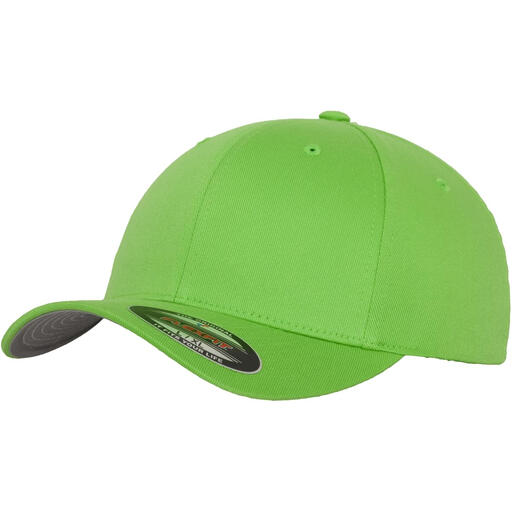
Why it suits this profile: This unisex six-panel cap is designed for everyday wear, walks and short outdoor activities where full neck coverage isn’t needed.
The XS/S size is clearly specified as 53–55 cm, making it easier to check the fit than with a one-size-fits-all option that has no precise measurements. The product details don’t specify a UPF rating or waterproofing.
Made from 269 g/m² fabric comprising 63% polyester, 34% cotton and 3% elastane, with a closed back and added stretch.
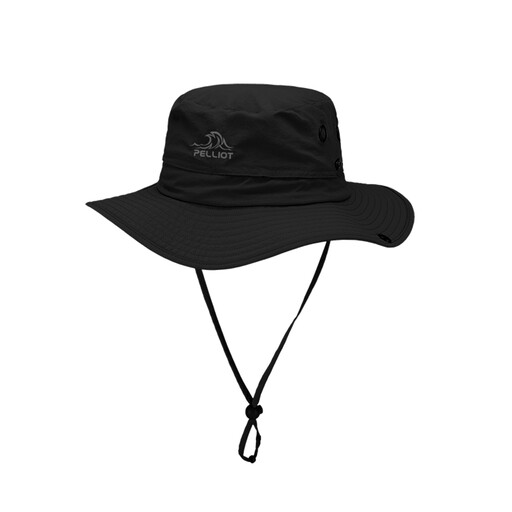
Why it suits this profile: This unisex bucket hat is designed for people who want all-round shade and a secure fit in windy conditions when camping, travelling or hiking.
The product details specify UPF 50+, an all-round brim and three features to help prevent the hat from slipping. This means the material rating, coverage and fit are described separately.
2-in-1 design with a brim that can be turned up, a moisture-wicking sweatband and a gentle machine-wash programme, according to the product description.

Why it suits this profile: Designed for fishing, kayaking, hiking and gardening, this hat combines a neck flap, wide brim and space-saving design.
The product description specifies UPF 50+, waterproof nylon, an adjustable cord and a 2-in-1 neck flap. Handwashing is explicitly recommended.
The product details list a weight of 70 g and sizes for head circumferences of 57–65 cm. The neck flap can be tucked away for a classic cap look.
We’ve put together a complete, regularly updated list of products that meet these strict selection criteria and fully comply with the safety regulations in force in the EU.
How long a sun hat lasts depends on UV exposure, sweat, moisture, friction and care. Wash it according to the label. Handwashing may be suitable for coated materials; machine-washable models should be cleaned on a gentle cycle with mild detergent.
Avoid bleach and high tumble-dryer temperatures if the manufacturer advises against them. Let a damp hat dry completely before folding it away. Signs of wear often appear first on coatings, seams, cords and the brim, rather than on the main fabric.
UPF 50+ is a high stated material rating for UV protection. However, it doesn’t automatically assess how well the hat covers your face, ears and neck. You should also check the brim width, fit and construction.
A sun hat with a neck flap provides extra coverage at the back of your neck and can be a good choice for fishing, hiking or gardening. A bucket hat usually has a simpler design and is versatile enough for everyday wear. For running, a well-ventilated running cap may be more practical.
Wrap a tape measure horizontally around your head, about one centimetre above your eyebrows and just above your ears. Note the measurement in centimetres and compare it with the size chart for the model you’re considering. If you’re between sizes, an adjustable cord or sweatband can help.