Choosing the right sun lounger involves a careful analysis of material properties, functional features, and its intended environment. A systematic comparison of technical specifications enables an informed decision, prioritising durability and practicality. This guide breaks down the key parameters to help you select the ideal garden lounger or recliner for your garden, patio, or balcony.
Buyer's Guide: Technical Selection Criteria
A sun lounger's performance is largely defined by its materials and construction. An objective assessment of these factors is fundamental to making the right choice.
Material Analysis: Properties and Applications
The choice of material impacts a lounger's weight, weather resistance, and maintenance needs.
- Aluminium: An aluminium sun lounger is distinguished by its lightweight design and high corrosion resistance. This material is naturally rust-proof, making it ideal for permanent outdoor use. Powder-coated finishes provide extra protection against scratches and the elements.
- Polyrattan: This synthetic weave mimics natural rattan but offers significantly greater weather resistance. A polyrattan lounger is resistant to UV radiation and moisture, which prevents colour fading and slows material degradation. Maintenance is typically straightforward, requiring only a simple cleaning with water and a mild soap solution.
- Steel (Powder-Coated): Steel frames provide excellent stability and load capacity. A powder-coated finish is essential to protect the material from corrosion. If this protective layer is damaged, rust may develop. Compared to aluminium, steel is heavier, which can reduce mobility.
- Textile Fabric (Mesh/Textilene): Synthetic fabrics are frequently used for the seat and backrest surfaces. They are breathable, which enhances comfort on warm days, and they dry quickly after a rain shower. Their flexibility conforms to the body's shape, often making a separate cushion unnecessary.
Functional Features in Detail
Beyond the material, it's the functional aspects that define user comfort.
- Adjustability: An adjustable lounger is a standard feature for enhanced comfort. Most models feature a multi-position adjustable backrest, enabling various positions from upright sitting to lying completely flat.
- Mobility: A sun lounger with wheels makes it much easier to move around the garden or patio. For users with limited storage space or for portable use (e.g., at the beach), a folding garden lounger is a practical solution.
- Weather Resistance: A weatherproof sun lounger is achieved through a combination of suitable materials. Look for specifications on UV resistance, often rated by standards such as ISO 105-B02, as well as rust-proof frames and water-repellent covers.
- Cushions: A lounger with a cushion provides extra comfort. The thickness and density of the foam (specified in kg/m³) are relevant metrics. Removable and washable covers make cleaning easier.
Our Top Picks for 2026
The following models were selected based on their technical specifications and functional design.
1. Beliani Aluminium Reclining Sun Lounger PORTOFINO
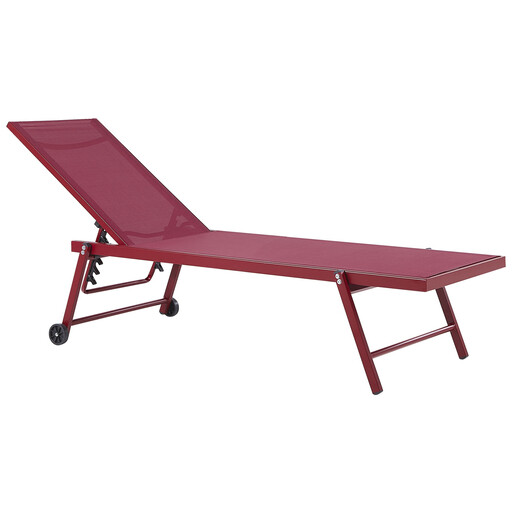
- Why we recommend it: This model combines a lightweight aluminium frame with practical functionality. Its 5-position adjustable backrest and integrated wheels offer flexibility for daily use. The mesh fabric sling is low-maintenance and breathable. Its certified Class 5 UV resistance (ISO 105-B02) indicates excellent colour fastness when exposed to sunlight.
- Pros:
- Lightweight (8.5 kg) for easy handling
- Rust-resistant aluminium frame
- Integrated wheels for high mobility
- 5-position adjustable backrest
- Best for: Individuals seeking a lightweight, mobile, and low-maintenance sun lounger with wheels for flexible use in the garden or on the patio.
2. SoBuy Sun Lounger, Zero Gravity Chair
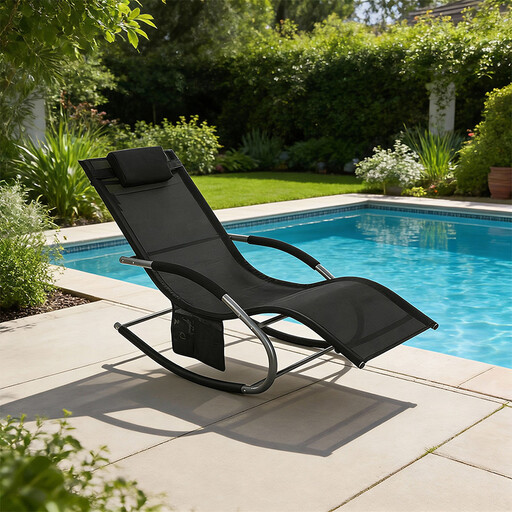
- Why we recommend it: The design of this lounger is based on the "Zero Gravity" principle, which promotes an ergonomic position to relieve spinal pressure. Its powder-coated steel frame provides a high load capacity of up to 150 kg. Practical details such as the side pocket and its compact folded dimensions make it a versatile recliner.
- Pros:
- Ergonomic design for superior comfort
- High load capacity (150 kg)
- Folds compactly for space-saving storage
- Includes headrest and side pocket
- Best for: Users who prioritise an ergonomic position and a space-saving, foldable design, making it ideal for balconies or portable use.
3. Beliani Reclining Sun Lounger with Cushion OSINI
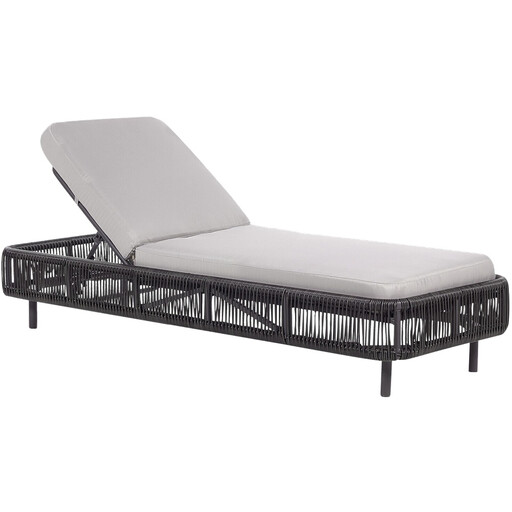
- Why we recommend it: This polyrattan lounger combines an appealing aesthetic with robust materials. The weave is weather- and UV-resistant, while the aluminium frame underneath ensures stability at a low weight. The included 8 cm thick cushion with fastening ties maximises comfort. With a load capacity of up to 230 kg, this model is exceptionally sturdy.
- Pros:
- Very high load capacity (230 kg)
- Weatherproof and low-maintenance polyrattan weave
- Includes a comfortable 8 cm thick cushion
- Backrest adjustable to 5 positions
- Best for: Those who prefer a stationary, highly comfortable, and heavy-duty garden lounger with a premium look for their patio or garden.
Discover More Models
The featured products cater to specific needs. For a broader overview of different designs, materials, and functionalities, you can find more options in our Outdoor Sun Lounger category.
Frequently Asked Questions (FAQ)
1. What is the difference between a sun lounger and a garden lounger? The terms are often used interchangeably. Technically, there is no strictly defined difference. A sun lounger is typically designed for sunbathing and almost always has an adjustable backrest. The term garden lounger is more general and can also include simpler loungers without an adjustment feature.
2. Which material is best for a weatherproof sun lounger? For high weather resistance, materials like polyrattan, aluminium, and rust-proof treated steel (e.g., through powder coating or galvanisation) are recommended. These materials are resistant to moisture and UV radiation. For fabric covers, synthetic materials like Textilene or mesh are advantageous as they dry quickly and are mould-resistant.
3. How do I care for a polyrattan lounger? Care is straightforward. Cleaning with a soft brush or cloth and a mild soap solution is usually sufficient. Harsh chemical cleaners should be avoided as they can damage the material. To maximise its lifespan, it is recommended to cover the lounger when not in use or to store it in a dry, cool place during the winter season.
Written by Jonas Richter, Joybuy Product Recommendation Officer

