
Lieferung heute & morgen

Qualitätsgarantie

Willkommens-Angebote freischalten: KOSTENLOSE Lieferung | Bis zu 80 % RABATT | Kostenlose 30-Tage-JoyPlus-Testphase
App herunterladen
A high-quality sun lounger transforms your garden, patio, or balcony into a personal oasis of well-being. But the search for the right model can quickly become overwhelming. Many products overpromise and underdeliver, leading to disappointment. As your Joybuy Product Recommendation Officer, I'll help you navigate the common pitfalls and make an informed decision.
Before we dive into the key features, let's highlight the most common problems that often only become apparent after your purchase.
To avoid a bad purchase, you should carefully examine three core aspects. These determine the durability, comfort, and practicality of your new sun lounger.
The frame material is the foundation for stability and weather resistance.
The best moments of relaxation happen when the lounger adapts to your needs.
The lying surface determines your direct comfort.
We have selected a few models from our range that meet specific requirements and cleverly avoid the pitfalls mentioned.
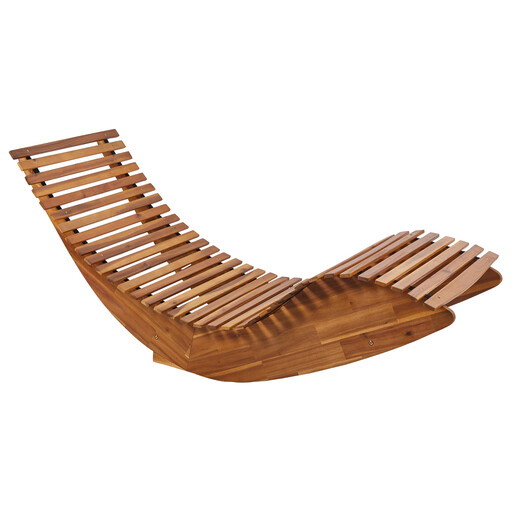
Why it's a great fit: Ideal for anyone looking for a statement piece. The curved shape and solid acacia wood make this lounger a decorative highlight that combines comfort with exceptional design.
This lounger relies on the proven durability of solid acacia wood instead of vague "weatherproof" promises. Its ergonomically curved shape is designed for a relaxed reclining position, avoiding the ergonomics trap.
The combination of high-quality material and a timeless, sculptural design creates a durable centrepiece for the garden or patio.
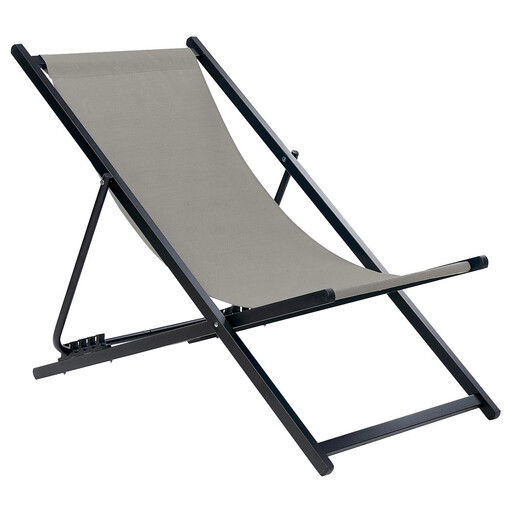
Why it's a great fit: Perfect as a balcony lounger or for small patios. The lightweight aluminium frame and folding mechanism make it extremely flexible and easy to store without sacrificing comfort.
This model solves the problem of impractical, bulky furniture. Designed as a folding deck chair, it maximises usable space and avoids the trap of buying an item that's too large for a small area.
The 5-position adjustable backrest offers great flexibility for various sitting and reclining positions. The rust-proof aluminium frame ensures durability at a low weight.
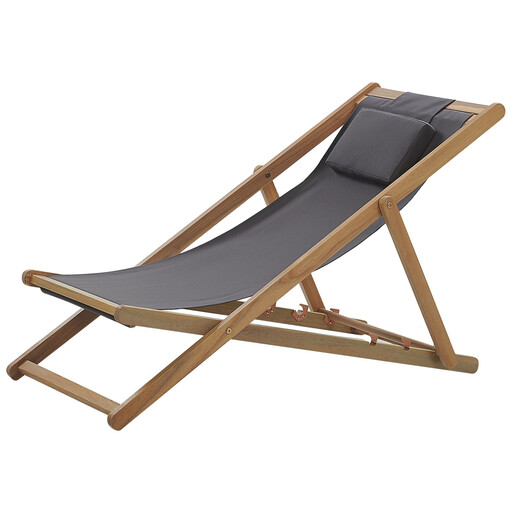
Why it's a great fit: A functional and stylish solution for budget-conscious buyers. This classic, folding deck chair made of oiled acacia wood offers proven quality and an attractive design at an accessible price point.
Instead of relying on a fragile, low-cost material, this chair features a frame made of solid acacia wood. It bypasses the trap of short-lived products by opting for a durable natural material with good long-term care prospects.
The model comes pre-assembled, features a 3-position adjustable backrest, and includes a comfortable headrest pillow. It's ready to use right out of the box and easy to transport.
We've compiled a complete, up-to-date list of products that fully meet these strict selection criteria and German safety regulations.
1. How do I properly care for a wooden sun lounger? A wooden deck chair should be cleaned and treated with a suitable care oil at least once a year. First, clean the surface with a mild soap solution and a soft brush, working in the direction of the grain. After it has dried, apply a thin layer of oil with a cloth. This protects the wood from moisture and UV radiation and revitalises its colour.
2. Is a folding sun lounger sturdy enough? Yes, high-quality folding models are very sturdy. Look for a solid locking mechanism that engages securely. The maximum weight capacity specified by the manufacturer (e.g., 120 kg) should not be exceeded. A steel or aluminium frame with well-finished joints generally offers excellent stability.
3. What does "weatherproof" really mean for a sun lounger? The term is not standardised. A truly weatherproof sun lounger should be made of materials that are inherently resistant to common weather conditions, either naturally or through high-quality treatment. These include rust-proof metals like aluminium, UV-stabilised plastic (polyrattan), and hardwoods. For fabrics, it means they are water-repellent, mould-resistant, and colourfast. However, it is still recommended to cover the furniture or store it in a dry place during long periods of non-use or in winter to maximise its lifespan.