
Lieferung heute & morgen

Qualitätsgarantie

Willkommens-Angebote freischalten: KOSTENLOSE Lieferung | Bis zu 80 % RABATT | Kostenlose 30-Tage-JoyPlus-Testphase
App herunterladen
A high-quality sun lounger can transform your outdoor space into a private oasis of relaxation. However, the selection is vast, and not every model lives up to its advertising promises. Before making a decision, it's crucial to understand the typical pitfalls that often only become apparent after a season, leading to disappointment. This guide will help you evaluate the key features and find a durable, comfortable garden lounger.
Many buyers focus on aesthetics or supposed bargains, overlooking critical quality features. These three points frequently lead to costly purchasing mistakes:
To avoid a bad purchase, you should focus on objective and verifiable criteria. Two factors are particularly crucial: the frame material and the functional features.
The frame forms the foundation of every garden lounger and largely determines its durability, weight, and maintenance requirements.
In addition to the material, the functional features determine everyday comfort and usability.
Based on these criteria, we have identified several models that are particularly well-suited for different user profiles and locations.
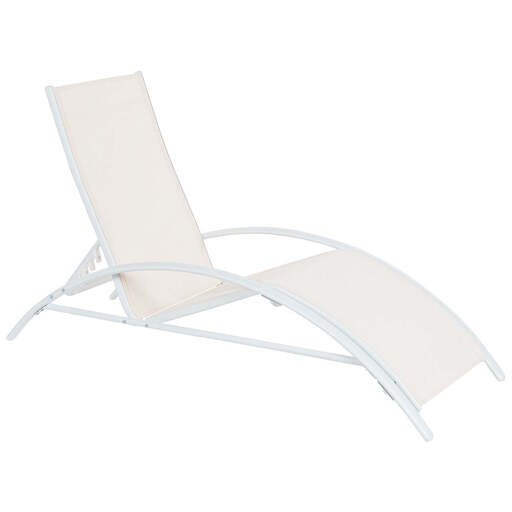
Why this model is a good fit: Ideal for anyone with limited space. This lounger is designed as a lounger for the balcony, where every inch counts. It can be easily folded and stored compactly during winter or when not in use.
Thanks to its folding function, it avoids the trap of buying a bulky lounger that blocks the balcony. The powder-coated steel frame is sufficiently robust for sheltered use on a balcony.
The combination of a foldable structure and a weight of 9 kg offers maximum flexibility for small spaces.
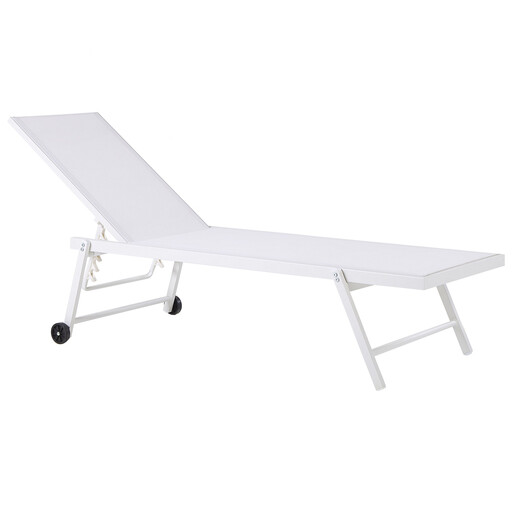
Why this model is a good fit: For users who value a modern, clean aesthetic without compromising on durability. Its minimalist design blends seamlessly into contemporary garden and patio landscapes.
The powder-coated aluminium frame is rust-proof, and the mesh sling is UV-resistant according to the manufacturer (Class 5, ISO 105-B02). This prevents the risk of rust and material fatigue.
The combination of rust-proof aluminium and integrated wheels merges a durable, weatherproof design with high mobility.
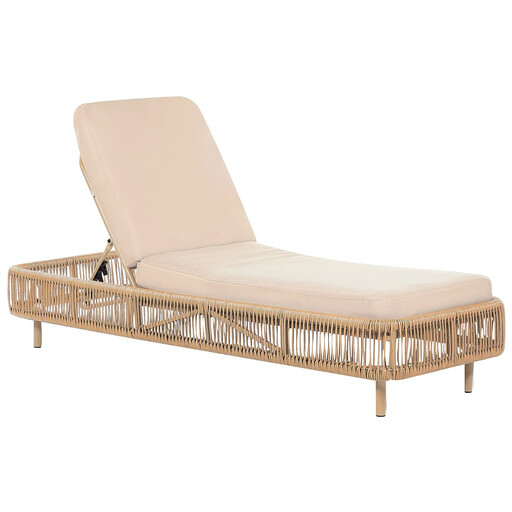
Why this model is a good fit: Anyone seeking maximum comfort for long afternoons by the pool will benefit from the combination of poly rattan and a thick cushion. The material is resistant to splashing water and dries quickly.
The PE rattan is weather-resistant, and the included cushion provides comfort, so you aren't lying directly on a hard surface that can get hot in the sun. The sturdy frame ensures stability.
The 5-position adjustable backrest and the thick, included cushion allow for a customisable and highly comfortable lounging experience.
We have compiled a complete, up-to-date list of products that fully meet these strict selection criteria.
A wooden sun lounger requires a bit more attention than models made of aluminium or plastic. Clean the surface regularly with a mild soap solution and a soft cloth. It's important to let the wood dry thoroughly afterwards. To protect the material from the elements and preserve its colour, you should treat it with a suitable care oil at the beginning and end of the garden season. For winter, storage in a dry place or the use of a breathable protective cover is recommended.
In principle, aluminium is rust-proof and resistant to cold. An aluminium sun lounger can therefore survive the winter outdoors. However, to protect the powder coating from frost damage and the Textilene sling from becoming brittle and dirty, covering it with a protective cover or storing it in a shed or basement is recommended. This extends the lifespan and preserves the appearance of the furniture.
The UV resistance rating describes a material's ability to resist fading from sun exposure. This is particularly relevant for coloured textile covers, cushions, and poly rattan weaves. The resistance is often indicated in classes (e.g., according to ISO 105-B02). A higher class means better lightfastness, so the colours remain vibrant for longer and the material does not become brittle as quickly.