
Lieferung heute & morgen

Qualitätsgarantie

Willkommens-Angebote freischalten: KOSTENLOSE Lieferung | Bis zu 80 % RABATT | Kostenlose 30-Tage-JoyPlus-Testphase
App herunterladen
A high-quality sun lounger transforms your garden, patio, or balcony into a personal oasis of well-being. However, the search for the right model can quickly become overwhelming. Many products promise durability and comfort but often fail to deliver on their advertising claims. As a Joybuy Product Recommendation Officer, I'll help you identify the typical pitfalls and make an informed decision based on objective criteria.
Before you invest, you should be aware of the three most common problems that often only become apparent after the first season, dampening your initial enthusiasm.
To avoid these problems, you should focus your attention on three core areas. These objective parameters will help you realistically assess the quality of a sun lounger.
The choice of material significantly influences the appearance, weight, durability, and maintenance requirements of your sun lounger.
A good sun lounger adapts to your needs, not the other way around.
The devil is in the details. Check the quality of the welds on metal frames, the stability of the joints, and the finish of the covers. For loungers with cushions, removable and washable covers are a major advantage for hygiene and longevity.
Instead of making a blanket recommendation, we have identified models tailored to specific user profiles and requirements.
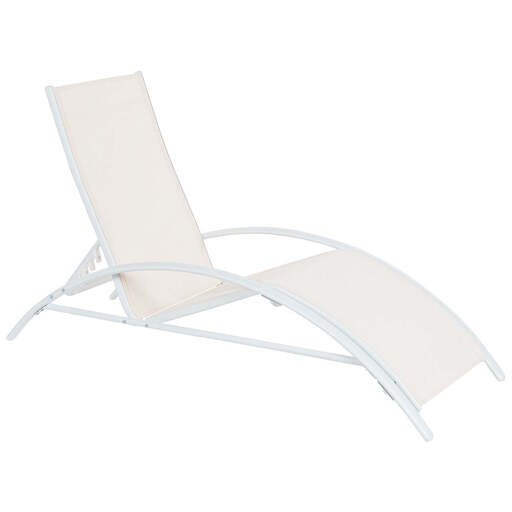
Why this model is a great fit: Ideal for anyone looking for a functional solution for a balcony or small patio. Its light weight and folding function make storage straightforward.
Solves the "lack of everyday practicality" problem with its space-saving folding function, allowing for easy storage in tight spaces.
The backrest is adjustable to 5 positions, offering flexibility between sitting and lying down. The powder-coated steel frame provides basic protection against the elements.
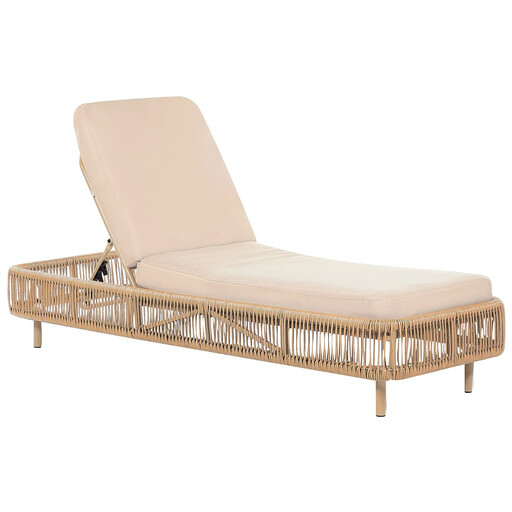
Why this model is a great fit: For those who value modern aesthetics and superior comfort. The poly rattan weave is stylish yet low-maintenance, perfect for a sophisticated patio.
Counters the "weatherproof fallacy" with a material that has high UV resistance (Class 5 according to ISO 105-B02), making it less prone to fading.
The combination of a sturdy frame, a 5-position adjustable backrest, and an included foam-filled cushion provides a high level of comfort.
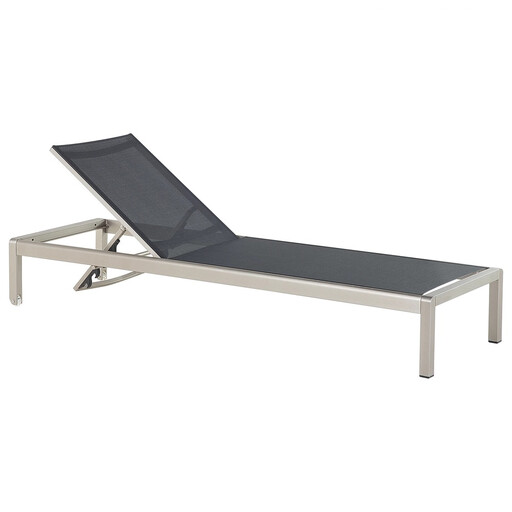
Why this model is a great fit: For users seeking an extremely low-maintenance and robust lounger for continuous use, such as by the pool. Its minimalist design blends seamlessly into modern settings.
Avoids the "unstable construction" pitfall with a solid, corrosion-resistant aluminium frame and a seating surface made of durable mesh fabric designed for outdoor use.
The material is dirt- and water-repellent. The backrest can be fully lowered, allowing for a completely flat lying surface.
Beyond classic sun loungers, there are also flexible alternatives for relaxing hours by the water. We've curated a selection of products that are specifically suited for use in and around the pool.
A wooden sun lounger, especially one made of acacia, should be cleaned regularly with a soft cloth and a mild soap solution. To preserve the colour and protect the wood from the elements, it is advisable to treat the lounger once a year with a suitable care oil, preferably before storing it for the winter.
The UV resistance class, often specified according to standards like ISO 105-B02, describes a material's colour fastness when exposed to sunlight. A higher class (e.g., Class 5) means the material has increased resistance to fading caused by UV rays. Nevertheless, it is recommended to cover the lounger when not in use to maximise its lifespan.
Even if a lounger is declared weatherproof, it is recommended to store it in a dry, sheltered place over the winter, such as a basement, garage, or garden shed. If this is not possible, it should at least be covered with a high-quality, breathable protective cover to shield it from moisture, frost, and heavy soiling. This will significantly extend its lifespan.