
Lieferung heute & morgen

Qualitätsgarantie

Willkommens-Angebote freischalten: KOSTENLOSE Lieferung | Bis zu 80 % RABATT | Kostenlose 30-Tage-JoyPlus-Testphase
App herunterladen
The selection of sun protection products can be overwhelming. From creams and serums to special masks, the market offers countless options. But not every product lives up to its promise. Many shoppers invest in solutions that are either impractical or fail to provide adequate protection. As your Joybuy Product Recommendation Officer, I'll help you identify the common pitfalls and make an informed decision.
Two common assumptions often lead to poor purchasing decisions:
Effective sun protection for summer requires a strategy tailored to your daily life and skin type, rather than relying on marketing promises.
To avoid disappointment, you should check a few fundamental parameters before buying. These technical features are more critical than any advertising message.
The Sun Protection Factor (SPF) primarily indicates protection against UVB rays, which are responsible for sunburn. At least as important is protection against UVA rays, which penetrate deeper into the skin and are a major contributor to premature skin aging (photoaging).
Look for products that explicitly state they offer broad-spectrum protection. On European products, you can recognise this by the UVA logo (the letters "UVA" inside a circle). Asian products, especially from the K-Beauty world, use the PA system. A rating like PA++++ signals very high protection in the UVA range and is a reliable indicator of a high-quality product.
The texture of a sunscreen affects not only how it feels on the skin but also how consistently you apply it. In the summer, skin often tends to produce more oil. A lightweight sunscreen with a gel or water-based formulation absorbs quickly without leaving a sticky film. Such products work well as a base under makeup and for oily or combination skin.
Richer creams can be beneficial for dry skin but often feel heavy in the heat. Choosing the right texture is a key part of an effective summer skincare routine.
For situations where reapplication is difficult—such as during sports, hiking, or on long car rides—physical barriers offer a reliable alternative. A sun protection face mask or a special UV protection mask provides constant protection that is not compromised by sweat or friction.
Modern masks are made from technical fabrics with a certified Ultraviolet Protection Factor (UPF 50+), are breathable, and are designed to cover sensitive areas like the eye contour. They are a practical supplement or even a replacement for sunscreen during specific outdoor activities.
Instead of making a one-size-fits-all recommendation, we have matched products to different needs and lifestyles.
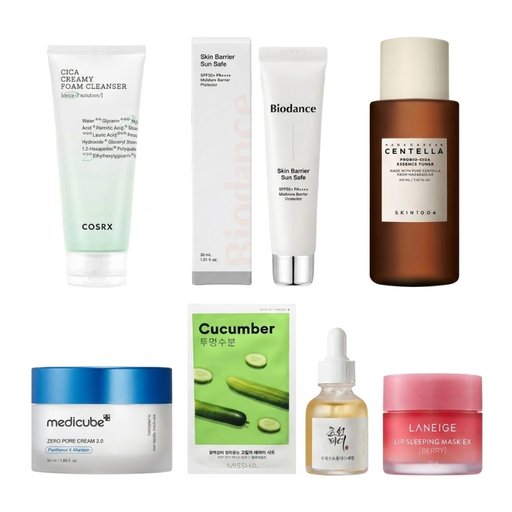
Why This Fits Their Persona: Ideal for users seeking a complete, coordinated routine for the summer. This K-Beauty Summer Set delivers all the necessary steps from cleansing to sun protection to balance, soothe, and protect the skin.
It solves the "all-in-one" compromise by integrating a dedicated, high-potency sunscreen (BioDance Skin Barrier Sun Safe) into a comprehensive skincare routine, rather than "hiding" the protection in another product.
Comprehensive 7-step system from top brands (, Beauty of Joseon). Ideal for combination and oily skin in the summer.
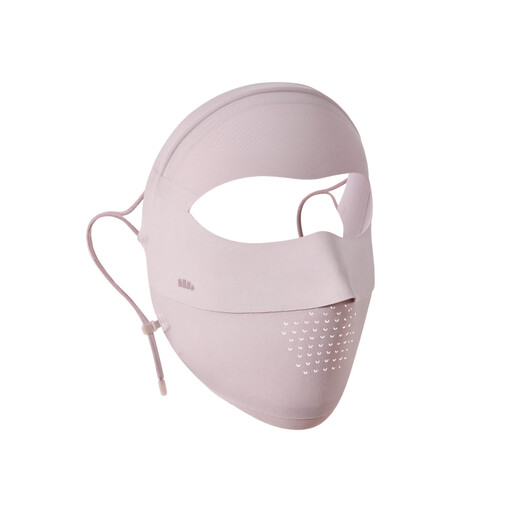
Why This Fits Their Persona: Perfect for people who spend a lot of time outdoors (cycling, hiking, gardening) and need reliable, low-maintenance protection. This UV protection mask provides a physical barrier against the sun.
It completely bypasses the problem of reapplication. The UPF 50+ protection remains constant throughout the day, isn't worn away by sweat, and protects sensitive skin areas without needing chemical filters.
Provides physical UPF 50+ protection. The design with ventilation openings at the mouth and nose ensures breathability and comfort even during exertion.
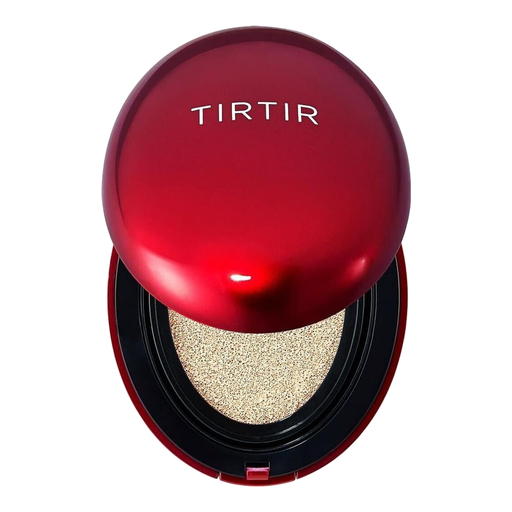
Why This Fits Their Persona: For the daily commute and urban life, where a combination of makeup and reliable sun protection in one step is desired. This foundation with SPF significantly simplifies the morning routine.
Unlike many tinted moisturisers with low SPF, this product offers a solid SPF 40. This provides adequate protection for daily, incidental sun exposure in the city without needing an additional product.
Combines high coverage with a semi-matte finish and SPF 40. The formula is also enriched with nourishing ingredients.
We have compiled a complete, up-to-date list of products that fully meet these strict selection criteria and UK regulations.
1. How often should you really reapply sunscreen in the summer? The general recommendation is to reapply sunscreen every two hours. This is especially true after swimming, sweating heavily, or towel drying. Even when using high-SPF products, reapplication is crucial as the protective layer loses its effectiveness over time.
2. Can a UV protection mask completely replace sunscreen? For the covered areas of the face, yes. A mask with UPF 50+ offers very reliable and constant physical protection. However, you must remember to continue protecting all uncovered areas such as the neck, ears, and the area around the eyes (if the mask doesn't cover it) with sunscreen. For outdoor athletes, the combination is often a very practical solution.
3. What does the PA++++ rating on Asian sunscreens mean? The PA (Protection Grade of UVA) system measures protection against UVA rays. The number of plus signs indicates the level of protection. PA+ signifies some protection, while PA++++ represents the currently highest available level of protection in the system. If you value comprehensive protection against skin aging, a high PA rating is an important selection criterion.