
Lieferung heute & morgen

Qualitätsgarantie

Willkommens-Angebote freischalten: KOSTENLOSE Lieferung | Bis zu 80 % RABATT | Kostenlose 30-Tage-JoyPlus-Testphase
App herunterladen
By Joybuy Product Recommendation Officer, August 28, 2026
Choosing the right sun protection can be a daunting task. The sheer number of products with different SPFs, ingredients, and claims makes an informed decision difficult. Many shoppers are guided by marketing statements that don't always tell the whole story. This guide will help you understand the crucial criteria and avoid common pitfalls.
Before we dive into the selection criteria, let's look at two widespread misconceptions that often lead to inadequate protection or the wrong product choice.
To find the right sun protection, you should focus on objective features rather than advertising promises. Here are the three most important parameters.
Effective sun protection must shield against both types of harmful UV radiation.
Sunscreen products use different filters to protect the skin. The choice often depends on your skin type and personal preferences.
Effective sun protection extends beyond skincare. UV radiation can also fade and damage textiles, furniture, and a car's interior.
Here are some product recommendations tailored to specific needs and use cases.
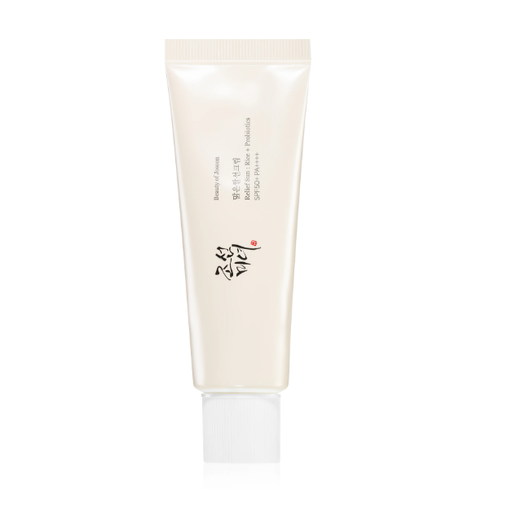
Why It's a Great Fit: Ideal for those seeking a lightweight, moisturising sunscreen for daily use. The formula absorbs quickly without leaving a white cast, making it a perfect base for makeup.
This product addresses the "SPF-only" pitfall by offering both a high SPF 50+ and the highest UVA protection, PA++++. It ensures true broad-spectrum coverage.
The creamy texture is enriched with 30% rice extract and grain-fermented extracts that moisturise and nourish the skin. It feels more like a lightweight moisturiser than a typical sunscreen.
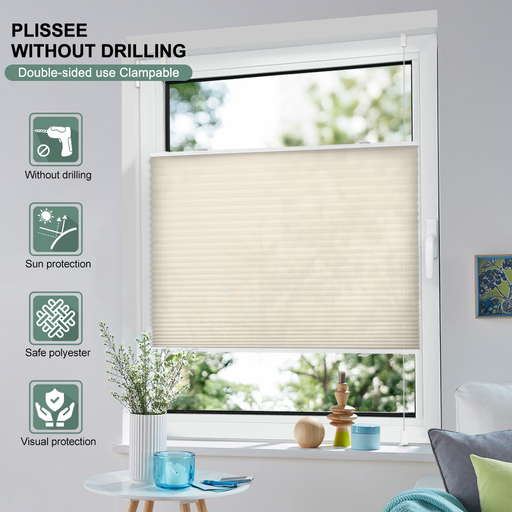
Why It's a Great Fit: A practical solution for renters or homeowners who want to protect windows from direct sunlight without damaging the frames. Ideal for living rooms, bedrooms, or the home office.
This product expands the concept of "sun protection" beyond the skin. It protects furniture and floors from UV-induced fading and helps regulate room temperature.
The no-drill clamp-on installation requires no drilling or screwing. The opaque yet light-permeable fabric offers a great balance between privacy and natural daylight.

Why It's a Great Fit: An essential accessory for any driver in the summer. It prevents the interior from overheating and protects the dashboard and seats from UV-related damage and material fatigue.
This product provides a simple and effective solution for an often-neglected area of sun protection. It safeguards valuable property and increases comfort when getting into a parked car.
The titanium-ice coating construction effectively reflects sun rays, leading to a noticeable reduction in interior temperature. The design is suitable for most cars, SUVs, and crossovers.
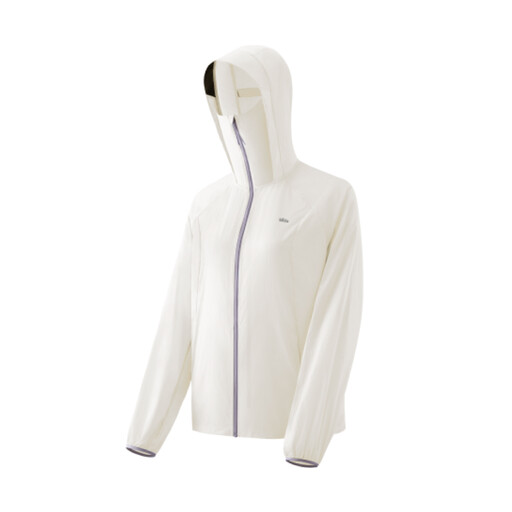
Why It's a Great Fit: For anyone who spends a lot of time outdoors, whether hiking, cycling, or gardening. This jacket provides a reliable layer of protection that can't be rubbed off and doesn't need to be reapplied.
This jacket bypasses the "forgetting to reapply" pitfall. Once on, it provides constant protection. The UPF 100+ is an objective, measurable standard for textile UV protection.
The lightweight fabric is abrasion-resistant, wind-resistant, and water-repellent. Breathable panels in high-sweat areas and a back vent improve air circulation and comfort.
We've compiled a complete, up-to-date list of products that fully meet these strict selection criteria and European safety regulations.
As a general rule, it is recommended to reapply sunscreen every two hours. However, you should always reapply immediately after heavy sweating, swimming, or drying off with a towel. This is the only way to maintain the stated level of protection.
The PA system originated in Japan and measures a product's effectiveness against UVA rays. The number of plus signs indicates the level of protection:
For comprehensive daily protection, a product with at least PA+++ is recommended.
A simple white cotton T-shirt has an Ultraviolet Protection Factor (UPF) of only about 5 to 7, which drops even lower when wet. Darker, more tightly woven fabrics offer more protection. For reliable protection during prolonged sun exposure, special UPF clothing with a designated rating of 30 or higher is the safer choice.