
Lieferung heute & morgen

Qualitätsgarantie

Willkommens-Angebote freischalten: KOSTENLOSE Lieferung | Bis zu 80 % RABATT | Kostenlose 30-Tage-JoyPlus-Testphase
App herunterladen
Sun protection spray may seem straightforward at first: spray it on, spread it out and you’re done. In practice, however, it’s easy to miss patches, expect too much from water resistance or experience skin reactions to fragrance and alcohol. So if you’re looking for sun protection spray for your face and body, a family holiday or everyday outdoor activities, don’t focus on a high SPF number alone.
A clear sun protection spray leaves fewer visible residues. This can make it harder to see which areas of skin have been covered sufficiently. If you apply too little or don’t spread it out afterwards, the protection you actually get will be lower. This is especially important with aerosols: don’t just give your skin a quick mist. Spray evenly over the area, then spread the product out.
A water-resistant sun protection spray may stand up to swimming or sweating better than a formula without this claim. However, rubbing with a towel, spending a long time in the water and heavy sweating will still reduce the protective film. Reapply after these activities. Sun protection spray SPF 50 is no substitute for clothing, a hat, sunglasses or breaks in the shade.
The sun protection factor mainly describes protection against UVB rays, which are strongly associated with sunburn. Also look for stated UVA and UVB protection. A higher SPF won’t make up for applying too little or reapplying too infrequently. Careful application is especially important for children, sensitive skin and intense UV exposure.
For longer periods outdoors, travelling and days at the beach, sun protection spray SPF 50 or SPF 50+ is often a good choice. Sun protection spray SPF 30 may be suitable depending on your skin type and the situation, but it offers a lower stated level of UVB protection. Check the packaging for:
If your skin is sensitive or prone to reactions, it’s worth checking the full ingredients list. Fragrance, fragrance allergens that must be declared, alcohol and certain UV filters may be relevant for some people. “Hypoallergenic” describes a product, but doesn’t guarantee that it will suit everyone. Test a new sun protection spray for sensitive skin on a small area first, and stop using it if you experience redness, stinging or itching.
Pump bottles are generally suitable for larger areas of the body. Pressurised aerosol sprays distribute the product quickly and reach hard-to-access areas, but should be used in a well-ventilated space. Never spray directly onto your face: for sun protection spray for face and body, spray the product into your hands first, then spread it over your face. Avoid the eyes, mucous membranes and broken skin.
Apply the product generously before going outdoors and reapply regularly, especially after swimming, sweating or drying yourself. Always follow the instructions on the specific packaging.
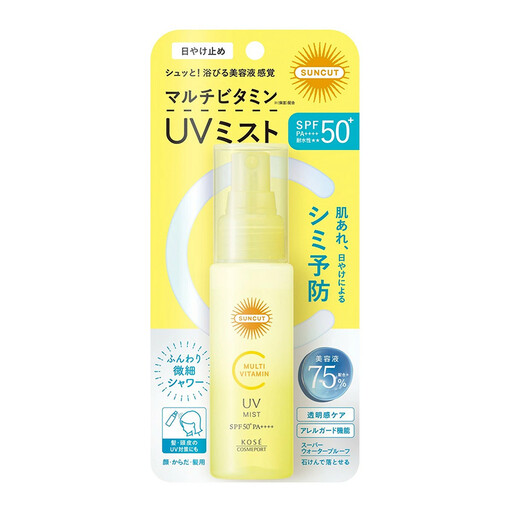
Why it suits this profile: The compact 60 ml size is handy for a handbag, rucksack or short trips out. According to the product description, it can be used on the face, neck and arms, and dries quickly.
The small pack makes it easier to top up your protection when you’re out and about. For your face, spray the product into your hands first.
60 ml size, spray format and, according to the supplier, broad-spectrum UV protection with added vitamin E.
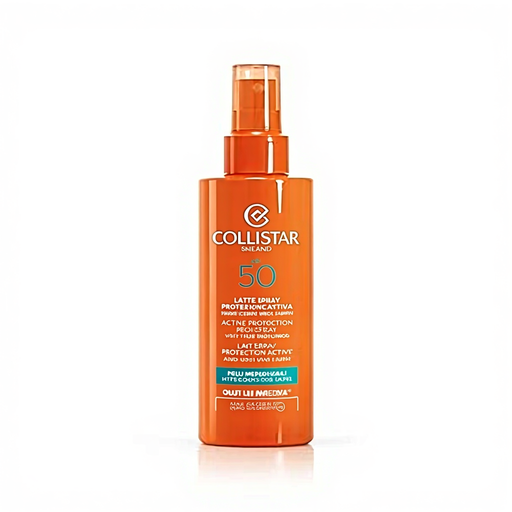
Why it suits this profile: According to the product details, the milky formula is suitable for the face and body. It is described as free from fragrance, colourants, silicones and alcohol.
Once spread over the skin, the milky texture makes it easier to see whether larger areas are covered sufficiently. This can help you apply it more evenly than a barely visible mist.
SPF 50, 200 ml size, a water-resistant formula according to the supplier, and spray application.
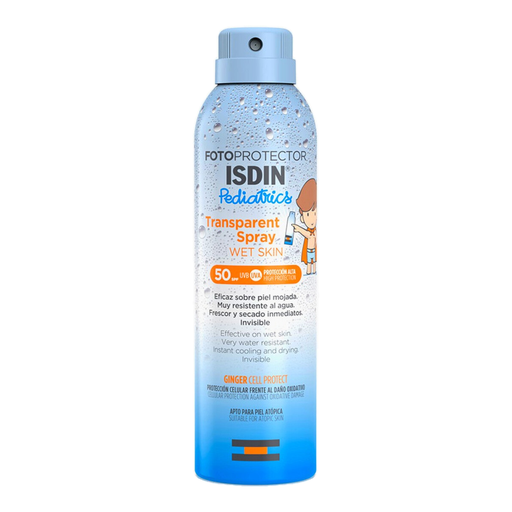
Why it suits this profile: According to the supplier, this product is suitable for children aged three and over, and can be used on dry or wet skin. That makes it a good fit for families with active children enjoying time at the pool, beach or outdoors.
Being suitable for both wet and dry skin makes it easier to reapply. You’ll still need to apply it again after drying yourself.
SPF 50+, 200 ml size, a clear texture and, according to the product description, very water-resistant protection.
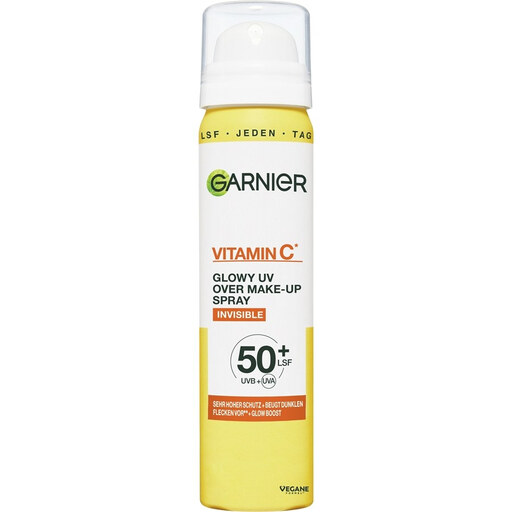
Why it suits this profile: According to the description, this facial product is designed to be applied over make-up, making it a convenient option for topping up your protection during the day.
This format tackles a common obstacle: topping up your sun protection over a layer of make-up. Avoid the eyes and any irritated skin.
SPF 50+, 75 ml size and a formula specifically designed for use over make-up.
We’ve put together a complete, regularly updated list of products that meet these strict selection criteria and fully comply with the safety regulations in force in the EU.
Both formats can work well when applied correctly and generously. A spray is quick to apply over larger areas of the body and is handy when you’re out and about. A milk or cream often makes it easier to see which areas you’ve covered. What matters is the SPF, UVA protection, using enough product and reapplying regularly.
Check the best-before date, batch information and the period-after-opening symbol on the packaging. Heat, direct sunlight and leaving the cap off can affect the product’s properties. Aerosols must also be kept away from high temperatures.
Yes. Even water-resistant products should be reapplied after swimming, heavy sweating or drying yourself. Gently pat your skin dry first, then apply sun protection spray generously to all exposed areas. An after-sun spray, on the other hand, is designed to care for your skin after time in the sun and is no substitute for sun protection.