
Lieferung heute & morgen

Qualitätsgarantie

Willkommens-Angebote freischalten: KOSTENLOSE Lieferung | Bis zu 80 % RABATT | Kostenlose 30-Tage-JoyPlus-Testphase
App herunterladen
In Germany, sunglasses need to do more than simply darken your vision. Whether you’re cycling, driving, walking or travelling, UV protection, glare reduction, a secure fit and a suitable field of vision all matter. Yet many disappointing purchases aren’t down to the price, but to unclear product information and choosing the wrong pair for the intended use.
A heavily tinted lens doesn’t automatically protect you from ultraviolet radiation. Look for a clear, verifiable claim such as UV400. This describes protection up to a wavelength of 400 nanometres. Without this information, you can’t reliably judge the level of protection by the lens colour alone.
For the products featured here, information on UV400, coatings and materials comes from the respective brands’ product descriptions. You should also check these details on the product page before buying.
Polarised sunglasses can reduce reflected light from roads, water or metal surfaces. This can be useful when cycling, fishing or spending time around bright outdoor surfaces. However, polarised lenses can affect how clearly you can see some displays or in-car screens. If you drive regularly, check that the lenses work well with your dashboard and sat nav in everyday use.
A low weight alone doesn’t guarantee a secure fit. Arms that are too wide can slip during sport, while a frame that’s too tight can put pressure on your temples or the bridge of your nose. Look for adjustable nose pads, non-slip arm tips and clear measurements for frame width, bridge width and arm length.
For everyday sunglasses, the product description should include a clear UV400 claim. Information on visible light transmission, such as VLT, can also help you assess the tint. A low VLT figure means less visible light passes through the lens. This can feel comfortable in very bright conditions, but it doesn’t necessarily make the glasses suitable for dusk or changing light.
An anti-reflective coating can reduce distracting reflections on the lens surface. According to product descriptions, oleophobic coatings make it easier to clean off fingerprints, while scratch-resistant coatings help with everyday care. No coating makes lenses indestructible.
TR90 sunglasses use a thermoplastic frame that can be lightweight and flexible. This material is common in sports and travel sunglasses. Even so, the specific build quality, hinges and contact points are important when choosing a pair.
Depending on the version, the recommended models are listed as weighing around 25.5 to 33 grams. This can make them more comfortable to wear on long bike rides or during outdoor activities. With folding sunglasses, there’s also the packed size to consider: a compact frame is easier to fit in a jacket pocket, but should be folded carefully and kept in a case.
Cycling glasses should restrict your field of vision as little as possible and stay secure when you’re moving. Vented lenses can help reduce fogging when temperatures change. For fast rides, non-slip nose pads and arms are useful.
Photochromic sunglasses adjust their tint depending on UV exposure. This can be useful in changeable weather. However, they may adjust less effectively behind a car windscreen, as windscreens block some UV radiation. These models aren’t designed for looking directly at the sun, for example during a solar eclipse.
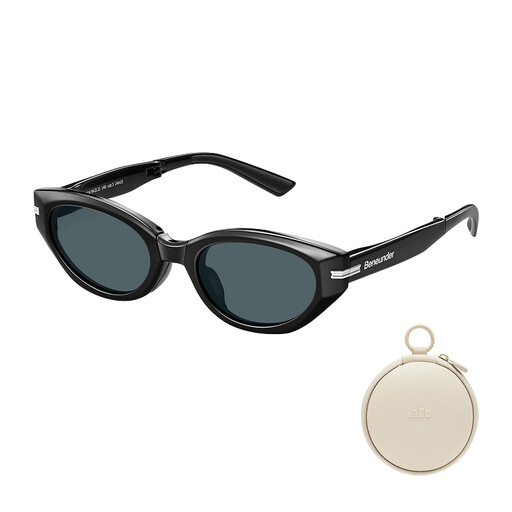
Why this product suits you: This folding design is made for everyday wear, short trips and travel, and can be packed away without taking up much space.
According to the product information, it combines UV400 protection with an anti-reflective coating and adjustable contact points, rather than relying on a dark tint alone.
TR90 frame, folding design, air-cushion nose pads and soft arm tips, according to the manufacturer.
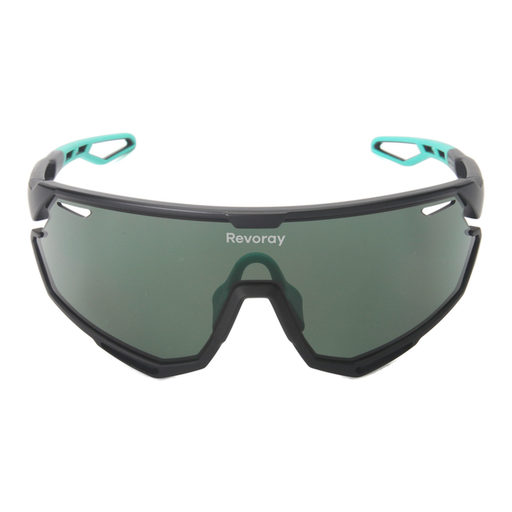
Why this product suits you: These cycling glasses are for riders looking for a wide field of vision, UV400 protection and a secure fit for sports use.
According to the product information, non-slip nose pads and arm tips help keep the glasses in place when you’re moving, rather than relying on the frame shape alone.
Single-lens PC construction, TR90 frame, weight of around 30 grams and an aerodynamic shape, according to the product description.
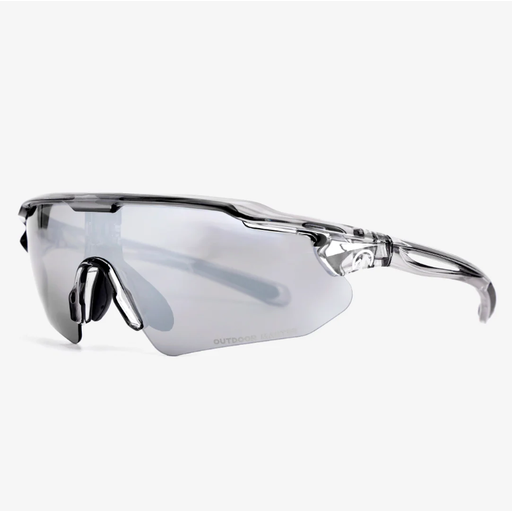
Why this product suits you: These glasses are designed for outdoor activities where you move between sun, shade and changing light conditions.
The product description lists the photochromic and polarised lenses separately, making it easier to understand how the tint and glare reduction work together in use.
TR90 frame, polycarbonate lenses, UV400 claim and adjustable nose pads, according to the manufacturer.
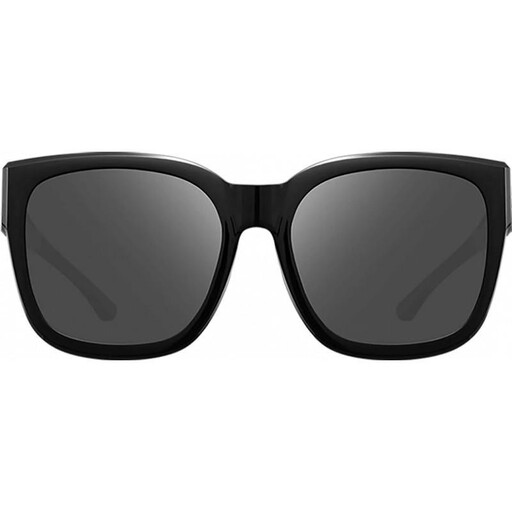
Why this product suits you: Fit-over sunglasses are a practical option if you want to wear them over your prescription glasses.
The fit-over design means you don’t need to switch between two separate pairs of glasses. Before buying, compare the measurements of your prescription glasses with the frame.
Polarised lenses, plastic frame and a design made to be worn over prescription glasses, according to the product description.
We’ve put together a complete, regularly updated list of products that meet these strict selection criteria and the safety regulations in force in the EU.
They can reduce reflections from wet roads or bright surfaces. However, some displays or screens may be harder to read, depending on the viewing angle. Before using them regularly, try them in your own car.
According to standard product labelling, UV400 refers to a protection range of up to 400 nanometres. The claim relates to ultraviolet radiation and should be clearly stated in the product description. A dark lens alone isn’t proof of protection.
Their lifespan depends on the materials, coatings, care and how heavily they’re used. With regular use for cycling, scratches, loose arms or damaged nose pads may appear sooner. Replace your sunglasses if damage affects your vision, the fit or their protective function.