
Lieferung heute & morgen

Qualitätsgarantie

Willkommens-Angebote freischalten: KOSTENLOSE Lieferung | Bis zu 80 % RABATT | Kostenlose 30-Tage-JoyPlus-Testphase
App herunterladen
The search for the right pair of sunglasses can be more complex than it first appears. Beyond design, technical features play a crucial role in protection and comfort. Many buyers follow fashion trends or advertising claims, only to discover later that their chosen model is unsuitable for its intended purpose. This guide will help you understand the essential criteria and avoid common purchasing mistakes.
Before we delve into the technical details, it's important to be aware of three common problems that often lead to unsatisfying purchases:
To avoid these pitfalls, you should focus on verifiable technical specifications. The following three parameters are central to the functionality and longevity of a pair of sunglasses.
The most important aspect of any pair of sunglasses is eye protection. UV400 protection is the definitive standard here. It means that the lenses block UV rays up to a wavelength of 400 nanometres, which completely includes UVA, UVB, and UVC rays.
Additionally, polarised lenses offer significant added value, especially for drivers and water sports enthusiasts. They filter glare caused by reflections on horizontal surfaces like wet roads, water, or snow. This results in higher-contrast, clearer vision and reduces eye fatigue. However, polarised lenses can be a hindrance when viewing LCD screens (e.g., smartphones or navigation devices), as they can darken the display.
The frame material determines comfort, durability, and weight. A lightweight TR90 frame has proven to be advantageous. TR90 is a thermoplastic polyamide that is extremely flexible, resilient, and light. Frames made from this material adapt well to different face shapes without creating pressure points and are resistant to deformation.
For people who are always on the go, foldable sunglasses are a practical solution. Models with well-designed folding mechanisms can be reduced to a compact size and stored safely without compromising stability.
Fashionable sunglasses for the city meet different requirements than sports sunglasses. A pair of cycling glasses, for example, should have an aerodynamic design to minimise wind resistance and protect the eyes from wind, dust, and insects. Important features here are impact-resistant lenses (often made of polycarbonate), a wide field of vision, and non-slip temple tips and nose pads that ensure a secure fit even when sweating.
A more recent development is smart audio glasses. They combine the functions of sunglasses with those of headphones and often offer additional smart features like voice control or translation functions. Such models are interesting for tech-savvy users who want to consolidate multiple devices into one product.
Based on the criteria mentioned above, we have identified a few models that are suitable for different user profiles and their specific requirements.
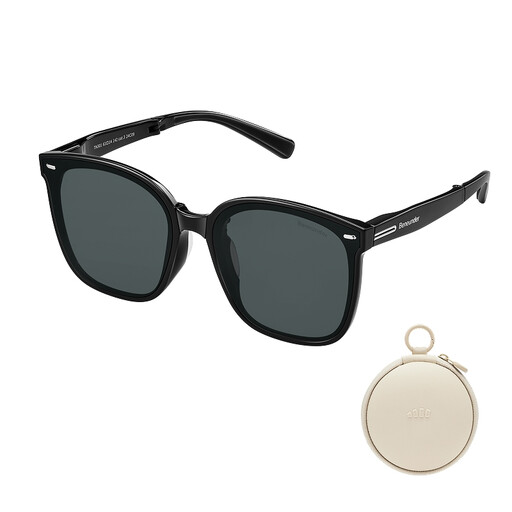
Why This Fits Their Persona: Ideal for people who are constantly on the move. The patented triple-fold design allows the glasses to be compressed to a thickness of just 35 mm. Weighing only 26 grams, they can be discreetly stored in any bag.
Solves the problem of bulky glasses that are impractical for travel. The lightweight TR90 frame is robust, while the lenses offer certified UV400 protection and an anti-reflective coating.
Extremely high portability thanks to the patented folding design. Combines a fashionable oversized look with a functional, lightweight construction.
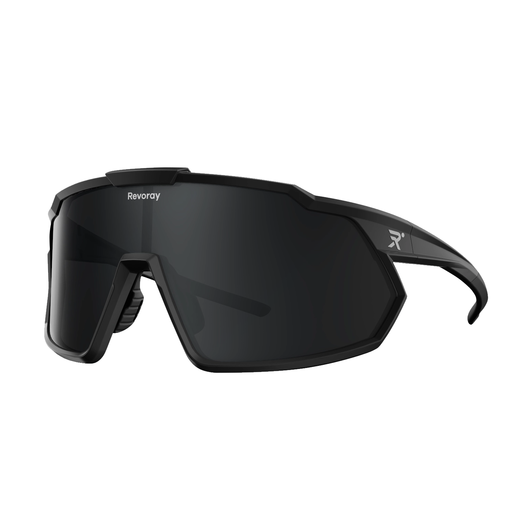
Why This Fits Their Persona: Designed for cycling and other outdoor activities. The polarised lenses reduce glare on the road, while the lightweight frame (approx. 33g) and adjustable, non-slip silicone nose pads ensure comfort and a secure fit, even on long rides.
Addresses the problem of slipping during movement with adjustable and non-slip components. Impact resistance is certified to the ANSI Z87.1 standard, which goes beyond vague marketing claims.
HD TAC polarised lenses for clear, glare-free vision. Water and oil-repellent coatings make cleaning easier and increase durability.
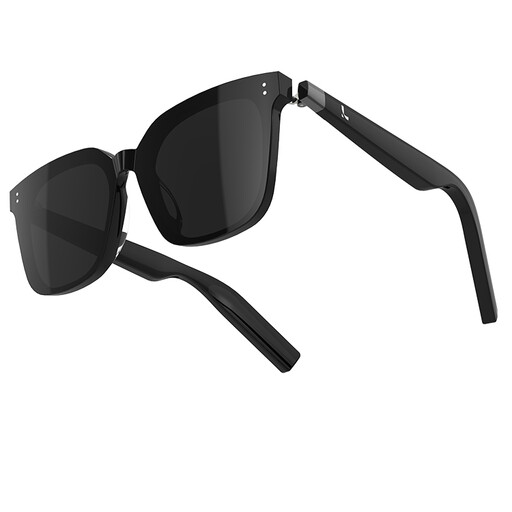
Why This Fits Their Persona: These smart audio glasses are more than just sun protection. They integrate AI functions for real-time translation in 128 languages, call and music playback via open-ear speakers, and smart notes for meetings. Perfect for the modern, connected lifestyle.
Goes beyond the single function of conventional sunglasses to become a productivity tool. The model meets European safety (CE) and environmental (RoHS) standards and addresses data privacy requirements.
Integration of AI assistants and real-time translation. Hands-free use for calls and music without completely blocking out ambient sounds (open-ear audio).
We have compiled a complete, up-to-date list of products that fully meet these strict selection criteria and safety regulations.
1. What does UV400 protection mean in sunglasses? The term UV400 protection indicates that the lenses filter ultraviolet rays up to a wavelength of 400 nanometres. This includes the harmful UVA, UVB, and UVC spectra, thus providing complete protection for the eyes from the invisible dangers of sun exposure. Look for this label, as simply tinted lenses do not offer adequate protection.
2. Are polarised lenses suitable for every purpose?Polarised lenses are extremely useful for reducing glare from reflective surfaces like water or wet roads. They are therefore a great choice for driving, fishing, or skiing. However, a disadvantage is that they can impair the visibility of liquid crystal displays (LCDs), such as those found in smartphones, aircraft cockpits, or at some petrol pumps. For pilots or individuals who frequently rely on such displays, non-polarised lenses might be the better choice.
3. How do I properly care for a TR90 frame and coated lenses? A lightweight TR90 frame is very easy to care for. It can be cleaned with lukewarm water and a mild soap solution. Avoid aggressive chemical cleaners. Coated lenses, such as polarised or anti-reflective lenses, should only be cleaned with a soft microfibre cloth to prevent scratches. Rinse the lenses with clean water before wiping to remove dust and dirt particles that could scratch the coating. Always store the glasses in a case when not in use.