
Lieferung heute & morgen

Qualitätsgarantie

Willkommens-Angebote freischalten: KOSTENLOSE Lieferung | Bis zu 80 % RABATT | Kostenlose 30-Tage-JoyPlus-Testphase
App herunterladen
Sunglasses are more than just a fashion accessory; they are a functional tool for protecting your eyes from ultraviolet (UV) radiation. The right choice depends on specific requirements determined by your lifestyle, planned activities, and priorities regarding features like weight, lens technology, and additional functions. This article analyses the technical criteria for an informed purchasing decision and presents a selection of models with different specialisations.
The evaluation of sunglasses should be based on objective parameters. The following criteria are crucial for function and wearing comfort.
The most important parameter is protection against UV radiation. The UV400 label signifies that the sunglasses' lenses block UV rays with a wavelength of up to 400 nanometres. This includes both UVA and UVB rays and represents the current standard for comprehensive protection. In the European Union, the CE marking is a minimum requirement, confirming that the product meets essential health and safety standards, which includes adequate UV protection.
The lenses determine the optical quality and visual comfort.
The frame material influences weight, durability, and fit.
The following products have been selected based on their specific technical features and use cases.
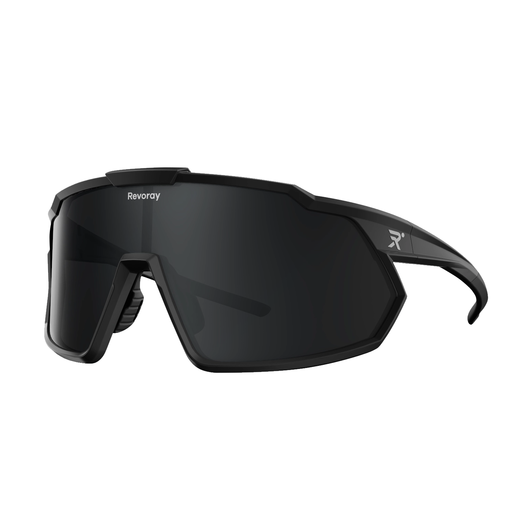
Why We Recommend This Product The Revoray Cycling Glasses are specifically engineered for the demands of cycling. The combination of polarised TAC lenses to reduce glare on the road, a lightweight TR90 frame, and certification to the ANSI Z87.1 impact resistance standard makes them a functional tool for serious cyclists.
Pros
Who It's For This model is designed for cyclists, mountain bikers, and other outdoor athletes who need robust, glare-free, and lightweight sports sunglasses with a reliable grip. Suitable as men's sunglasses and women's sunglasses for sports applications.
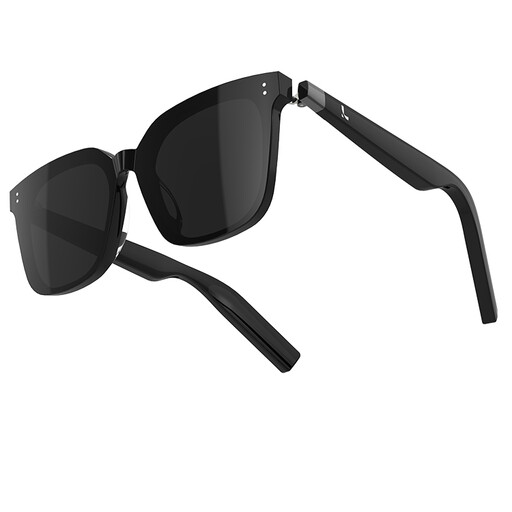
Why We Recommend This Product The LAWAKEN AI Chat City Shade is a pair of smart audio glasses that enhances traditional sun protection with technological features. With real-time translation in 128 languages, AI-powered note-taking for meetings, and open-ear audio for music and calls, it seamlessly integrates into your digital life. Compliance with CE, UKCA, and RoHS standards highlights a focus on safety and environmental responsibility.
Pros
Who It's For This model is designed for tech-savvy users, international travellers, and professionals looking for a multifunctional solution that goes beyond simple UV-protection sunglasses and prioritises productivity and connectivity.
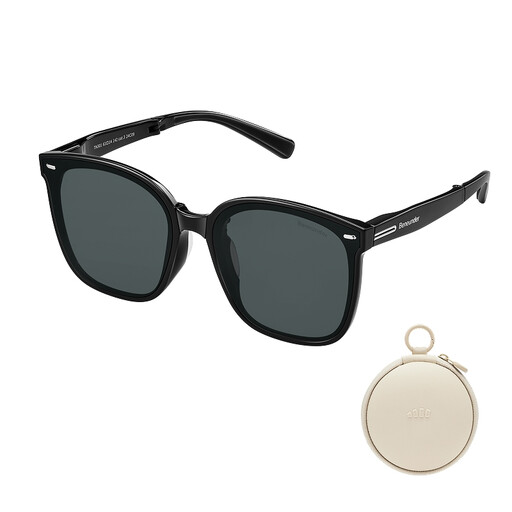
Why We Recommend This Product The Beneunder FD421 stands out with its patented folding mechanism. As foldable sunglasses, they can be reduced to a thickness of just 35 mm and weigh only 26 g. This makes them an exceptionally portable solution for travel and an on-the-go lifestyle, without compromising on protection. The nylon lenses with UV400 protection and an anti-reflective coating provide clear vision.
Pros
Who It's For Ideal for travellers, commuters, and fashion-conscious users who place maximum value on compactness, low weight, and portability. The combination of functionality and design makes them a practical pair of lightweight sunglasses for daily use.
If the models presented here do not fully meet your specific requirements, or if you are specifically looking for a pair of particularly lightweight sunglasses, our main category offers a broader selection. There you will find more models tailored to different needs and preferences.
Discover more lightweight sunglasses here
1. What is the difference between UV400 protection and polarised lenses? UV400 protection refers to the lenses' ability to block harmful ultraviolet radiation (UVA and UVB). This is a fundamental protective feature. Polarised lenses, on the other hand, reduce glare caused by light reflecting off horizontal surfaces. A pair of sunglasses can have both features, but they serve different purposes: UV protection is for eye health, while polarisation is for visual comfort.
2. Are more expensive sunglasses always better for UV protection? Not necessarily. The price of sunglasses is determined by many factors, including brand name, design, frame material, and lens technologies like polarisation or special coatings. However, basic UV400 protection is a standardised feature. Even more affordable models can meet this standard, as confirmed by the CE marking in the EU. Higher-priced models often offer advantages in terms of material quality, durability, optical clarity, and wearing comfort.
3. How do I properly care for my sunglasses with coated lenses? For cleaning, use lukewarm water and, if necessary, a mild, pH-neutral soap. Dry the lenses with a clean, soft microfibre cloth. Avoid harsh cleaning agents, alcohol, or paper towels, as these can damage the delicate coatings (e.g., anti-reflective or water-repellent layers). When not in use, store the glasses in a case to protect them from scratches and pressure.