
Lieferung heute & morgen

Qualitätsgarantie

Willkommens-Angebote freischalten: KOSTENLOSE Lieferung | Bis zu 80 % RABATT | Kostenlose 30-Tage-JoyPlus-Testphase
App herunterladen
The search for the right sunscreen can quickly become overwhelming. The market is vast, and marketing promises don't make the decision any easier. Many products fail to deliver on their claims, leading to skin irritation, an unpleasant feel, or simply inadequate protection. As your Joybuy Product Recommendation Officer, I'll help you understand the key criteria and avoid common traps.
Before we dive into the essential features, let's look at the most common reasons for a bad purchase. Knowing these will help you choose more effectively and avoid disappointment.
To find the right sunscreen for your needs, you should check three fundamental parameters. These will help you objectively evaluate a product's performance.
Effective sunscreen must protect against both types of harmful UV radiation.
Sunscreen products use different filter mechanisms, each with its own advantages and disadvantages.
The best sunscreen is the one you enjoy using daily. The texture is therefore crucial. Lightweight serums, gels, or fluids absorb quickly and are well-suited as a facial sunscreen, even under makeup. A moisturizing sunscreen with ingredients like hyaluronic acid or Centella Asiatica can also supplement your daily skincare routine and support the skin barrier.
Here are some product recommendations tailored to specific needs and lifestyles.

Why This Fits Their Persona: Ideal for anyone looking for a reliable and invisible sunscreen for daily use. The lightweight, moisturizing texture of this Korean sunscreen absorbs quickly and works perfectly as a base under makeup without pilling or feeling greasy.
The formula is intentionally lightweight and leaves no white cast, thus avoiding the trap of a heavy, impractical texture. The high PA++++ rating also ensures comprehensive broad-spectrum protection.
Offers high protection (SPF50+ PA++++) and nourishes the skin with 30% rice extract and fermented grain extracts. The texture is similar to a light moisturizing cream.
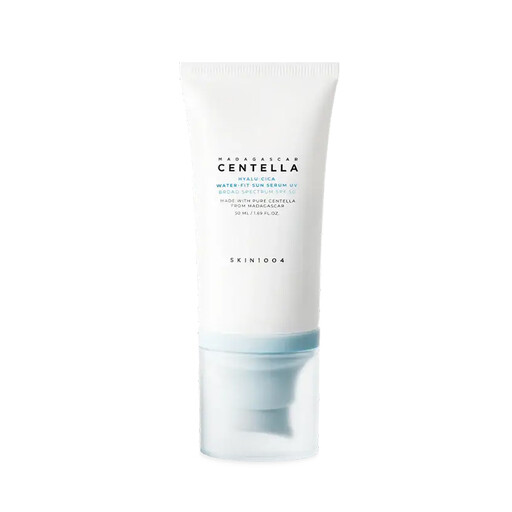
Why This Fits Their Persona: Designed for individuals with sensitive, dry, or irritation-prone skin. The combination of Centella Asiatica and hyaluronic acid soothes the skin and provides intense hydration, while the lightweight serum texture ensures a comfortable feel.
This chemical sunscreen offers a serum-like, non-sticky texture that counteracts the common problems of heavy, whitening creams. Its focus on soothing ingredients specifically addresses the needs of sensitive skin.
The Hyalu-Cica formula moisturizes and soothes the skin. The texture is that of a lightweight serum, offering high protection (SPF50+ PA++++) without any residue.
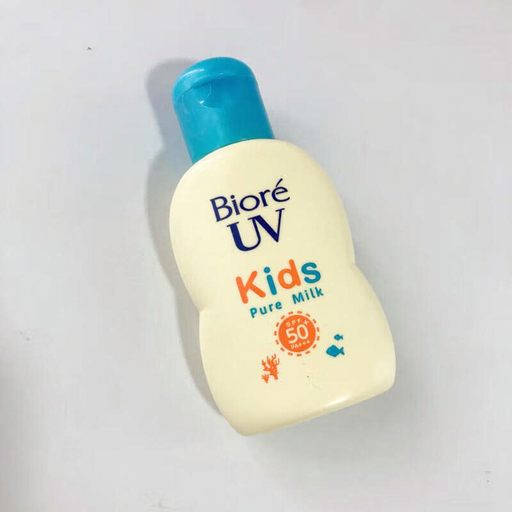
Why This Fits Their Persona: An excellent choice for parents seeking reliable protection for their children's delicate skin. The formula is also suitable for adults with extremely sensitive skin who react to chemical filters and additives.
This product is a purely mineral sunscreen and is intentionally free of alcohol, parabens, fragrances, and dyes. The "Mineral Veil" technology ensures high resistance to sweat, water, and friction, which helps prevent the misunderstanding of the term "water-resistant."
Offers high protection (SPF 50+ PA+++) with 100% mineral filters. The formula is enriched with shea butter to preserve skin moisture and prevent dryness.
We have compiled a complete, up-to-date list of products that fully meet these strict selection criteria and UK safety regulations.
1. How much sunscreen should I use on my face? A common and practical guideline is the "two-finger rule." Dispense a line of sunscreen onto your index and middle fingers. This amount is generally sufficient to adequately protect your face and neck. Applying too little significantly reduces the level of protection stated on the packaging.
2. Do I need to apply sunscreen on cloudy days or in the winter? Yes, year-round application is advisable. Up to 80% of UVA rays penetrate through clouds and window glass. Since these rays are a primary contributor to skin aging, daily broad-spectrum protection is the foundation for keeping skin healthy long-term.
3. What is the difference between sunscreen for the face and for the body?Facial sunscreen is often specially formulated to be lighter, non-comedogenic (won't clog pores), and suitable for wearing under makeup. Products for the body can be richer and are available in larger, more cost-effective packaging, as they are applied over a larger area. In principle, you can use body sunscreen on your face, but many find the lighter facial formulations more comfortable.