
Lieferung heute & morgen

Qualitätsgarantie

Willkommens-Angebote freischalten: KOSTENLOSE Lieferung | Bis zu 80 % RABATT | Kostenlose 30-Tage-JoyPlus-Testphase
App herunterladen
Choosing an SPF 30 sunscreen can be overwhelming given the sheer volume of products and marketing promises. Many formulations advertise additional benefits, but not all deliver. False assumptions often lead to inadequate protection or unnecessary expense. This guide will help you identify the crucial features and make an informed choice.
Before we dive into the selection criteria, it's important to understand three common marketing traps that can lead to poor purchases:
To find an effective SPF 30 sunscreen, you should focus on objective and verifiable features. The following three parameters are crucial for making the right choice.
The Sun Protection Factor (SPF) only indicates the level of protection against UVB radiation, which is responsible for sunburn. However, for comprehensive protection, an effective UVA filter is also necessary. UVA rays penetrate deeper into the skin and are a major contributor to premature ageing and the risk of skin diseases.
Look for the UVA logo (a circle with the letters "UVA" inside) on the packaging. This seal guarantees that the UVA protection is at least one-third of the stated UVB protection (SPF), thus complying with European Commission recommendations. A product without this symbol may not offer sufficient protection against skin ageing.
UV filters can be divided into two main categories that work in different ways:
The choice depends on your skin type and personal preferences. Both filter types offer reliable protection when applied correctly.
The texture and application method significantly influence how willingly and regularly you use sunscreen.
Based on objective criteria, we have selected a few products for different user profiles.
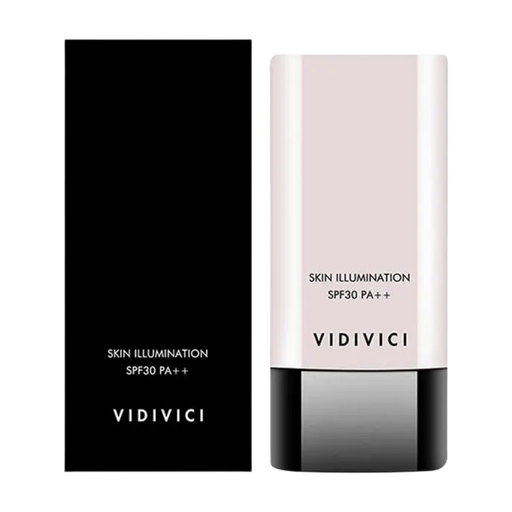
Why This Fits Their Persona: Ideal for users seeking a lightweight, daily facial sunscreen that integrates seamlessly into their skincare routine and serves as a base for makeup. The formula is designed for hydration and an even complexion.
Instead of a vague anti-ageing promise, the product lists specific nourishing ingredients like Vitamin C, Niacinamide, and Hyaluronic Acid, with clearly defined functions (brightening, hydration).
Lightweight, non-greasy texture that absorbs quickly and leaves no white cast. Offers PA++ protection, indicating a defined level of UVA defence.
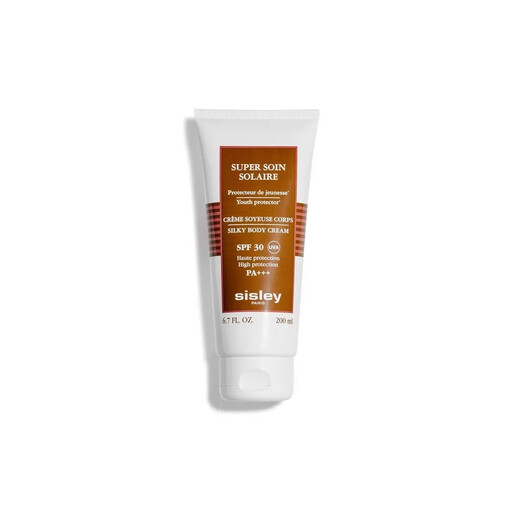
Why This Fits Their Persona: For users who value a luxurious application experience. This body cream combines high protection with a silky, nourishing texture that hydrates and softens the skin.
The product is labelled "water-resistant," and the application instructions stress the need for reapplication. This actively counteracts the "apply once is enough" trap.
Provides broad-spectrum (UVA/UVB) protection. The formula is enriched with nourishing ingredients like Shea Butter and Camellia Oil, going beyond mere protection.
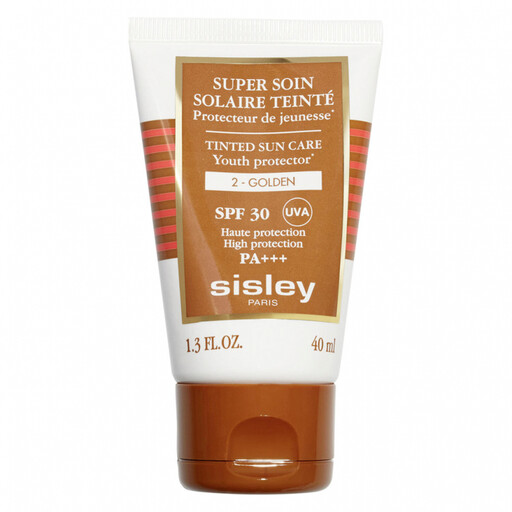
Why This Fits Their Persona: Perfect for those who want to combine sun protection and a light foundation in one product. This tinted SPF 30 sunscreen evens out skin tone and provides a natural, fresh look.
The product delivers a clearly defined function—a tint for visually evening out the complexion—instead of a vague promise of a "natural glow." The benefit is immediately visible.
Combines broad-spectrum protection with a light, balancing tint. The silky texture is suitable for daily use, either alone or under makeup.
We've compiled a complete, up-to-date list of products that fully meet these strict selection criteria and EU safety regulations.
To achieve the sun protection factor stated on the packaging, the amount you apply is critical. The general recommendation is 2 milligrams per square centimetre of skin. In practice, this is about one teaspoon (approx. 5 ml) for the face and neck, or about 30 ml (two tablespoons) for the entire body of an average adult. Applying too little significantly reduces the level of protection.
SPF 30 blocks about 97% of UVB rays, while SPF 50 blocks about 98%. The percentage difference in protection is small. The main advantage of a higher SPF is a larger safety margin, as most people tend to apply too little sunscreen. When applied correctly, SPF 30 provides high and sufficient protection for most everyday situations.
Check the packaging for the open jar symbol (PAO - Period After Opening). This indicates how many months the product is good for after opening (e.g., "12M" for 12 months). Unopened, sunscreens are generally stable for about 30 months. If the product has expired, has changed in colour, smell, or consistency, or has been exposed to extreme heat, it should be discarded as the effectiveness of the UV filters can no longer be guaranteed.