
Lieferung heute & morgen

Qualitätsgarantie

Willkommens-Angebote freischalten: KOSTENLOSE Lieferung | Bis zu 80 % RABATT | Kostenlose 30-Tage-JoyPlus-Testphase
App herunterladen
Sensitive skin does not react the same way to every sunscreen. Some formulas leave a visible white cast, while others feel greasy under make-up or contain fragrance and alcohol, which may not suit sensitive skin. So if you’re looking for sunscreen for sensitive skin SPF 50+, there’s more to consider than just the SPF rating.
Here are three common pitfalls to watch out for:
SPF 50+ primarily describes protection against UVB rays, which are associated with sunburn. For broad-spectrum UVA and UVB protection, also look for a relevant symbol on the packaging, such as the UVA logo in a circle, or an explicit statement of UVA protection.
Applying enough sunscreen to your face and neck is essential. If you use too little, the product won’t provide the level of protection stated on the packaging. The two-finger rule is often used as a practical guide for the face and neck. Always follow the manufacturer’s instructions.
When choosing sunscreen for sensitive skin, it’s worth checking the full INCI list:
A face sunscreen SPF 50 should spread evenly and work well with your daily skincare or make-up. Lightweight fluids are often suitable for everyday use, while sun lotion or spray can be more practical for larger areas of the body.
For outdoor activities, look for features such as water-resistant sunscreen, quick drying and easy reapplication. Children need extra care: babies and young children should be kept out of direct sunlight. For products for children, check the stated age limit too.
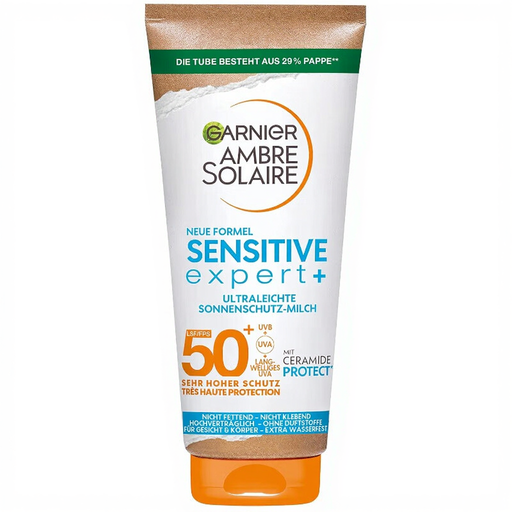
Why this product suits this profile: This 175 ml sun lotion is designed for larger areas of the body, such as the arms, legs and torso. The spray format can make daily application easier.
The product description says the lotion absorbs quickly, isn’t greasy and doesn’t leave skin feeling sticky. Reapply after swimming, sweating or towel-drying.
SPF 50+, 175 ml, an ultra-light lotion texture and, according to the product information, packaging made with 48 % less plastic.
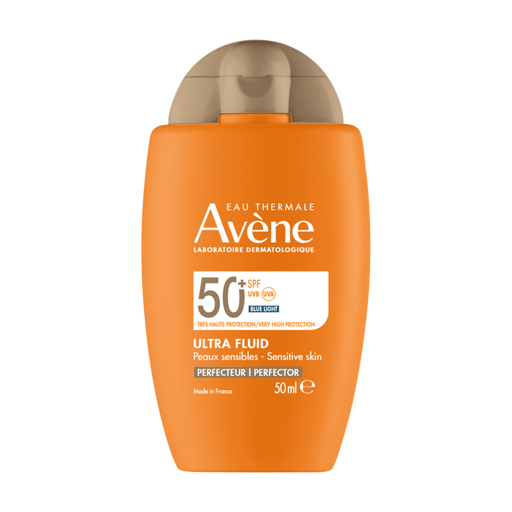
Why this product suits this profile: This tinted face fluid combines everyday UV protection with a light, natural-looking tint, and can be used as a make-up primer.
The description notes that the universal tint may look different depending on skin depth and undertone. It’s worth testing it along your jawline and neck.
SPF 50+, UVA and UVB protection, plus additional HEV blue light protection according to the product information; fragrance-free, water-resistant and very fluid in texture.
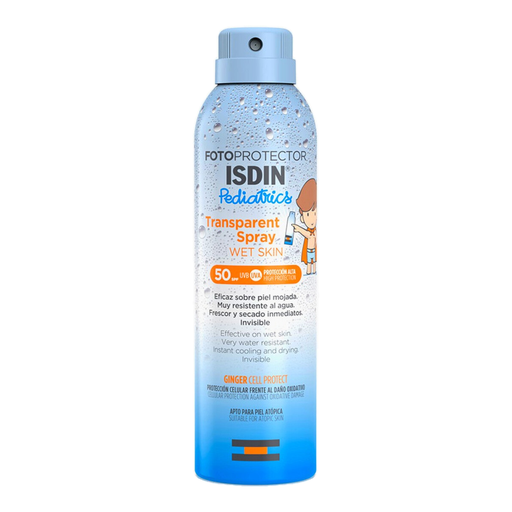
Why this product suits this profile: According to the product information, this spray is suitable for children aged 3 and over and can be used on dry or wet skin.
According to the product description, the transparent spray formula is designed for easy application without visible residue. Reapplication is still needed after contact with water or sweat.
SPF 50+, 200 ml, a highly water-resistant formula according to the product information, and suitable for use on wet or dry skin.
Apply sunscreen generously before going outdoors. The face, ears, neck, décolletage, hands and hairline are often missed. If you’re in the sun for a long time, reapply regularly, especially after swimming, heavy sweating or towel-drying.
Sunscreen is not a substitute for other protective measures. Seek shade, wear tightly woven clothing, a sun hat and sunglasses to reduce direct UV exposure further. Try to avoid the midday sun. Keep children out of direct sunlight and avoid leaving them unprotected outdoors.
We’ve put together a complete, regularly updated list of products that meet these strict selection criteria and fully comply with the safety regulations in force in the EU.
Look for SPF 50+, stated UVA protection, a suitable texture and a concise INCI list. If you’re sensitive to fragrance, a fragrance-free sun fluid for sensitive skin may be a good choice. Testing a small area before applying it more widely for the first time can help reduce the risk of an unsuitable purchase.
Check the best-before date and the PAO symbol on the packaging, for example, “12M”. Heat, direct sunlight and opening the product frequently can affect its quality. If possible, store sunscreen somewhere cool and dry, away from direct sunlight.
Yes. “Water-resistant” doesn’t mean the protection stays the same after swimming, sweating or towel-drying. Reapply sunscreen generously afterwards. Even without contact with water, you’ll need to reapply regularly if you’re in the sun for a long time.