
Lieferung heute & morgen

Qualitätsgarantie

Willkommens-Angebote freischalten: KOSTENLOSE Lieferung | Bis zu 80 % RABATT | Kostenlose 30-Tage-JoyPlus-Testphase
App herunterladen
A good sunscreen spray is convenient: it's quick to apply, perfect for on-the-go use, and often has a lightweight texture. However, the vast selection can be overwhelming, and not every product delivers on its promises. Common misconceptions about water resistance or formulations often lead to inadequate protection or an unpleasant feel on the skin. This guide will help you identify the key features and find a sunscreen spray that truly fits your needs.
Many products advertise attractive features that can be disappointing in practice. Look out for these three typical pitfalls to make an informed decision.
To choose the right sunscreen, you should focus on objective criteria. The following three parameters are crucial for effectiveness and comfort of use.
The Sun Protection Factor (SPF) indicates how well a product protects against UVB rays, which are primarily responsible for sunburn. An SPF 30 sunscreen spray filters about 97% of UVB rays, while an SPF 50 sunscreen spray blocks approximately 98%. For most skin types in the UK and Europe, an SPF of at least 30 is recommended.
Equally important is protection against UVA rays, which penetrate deeper into the skin and contribute to premature skin ageing. Look for the UVA logo (letters in a circle) on the packaging. It guarantees that the UVA protection is at least one-third of the stated SPF, ensuring balanced broad-spectrum protection.
The texture significantly influences the feel on the skin and its suitability for different skin types.
Different properties are needed depending on the application. A sunscreen spray for children should be particularly skin-friendly, often without fragrances and with a very high SPF. For sports activities, a water-resistant sunscreen spray that adheres well to the skin is crucial. A special facial sunscreen spray is typically non-comedogenic, meaning it won't clog pores, and is formulated to prevent it from running into the eyes.
Based on objective product characteristics, we have selected a few sunscreen sprays for different needs.
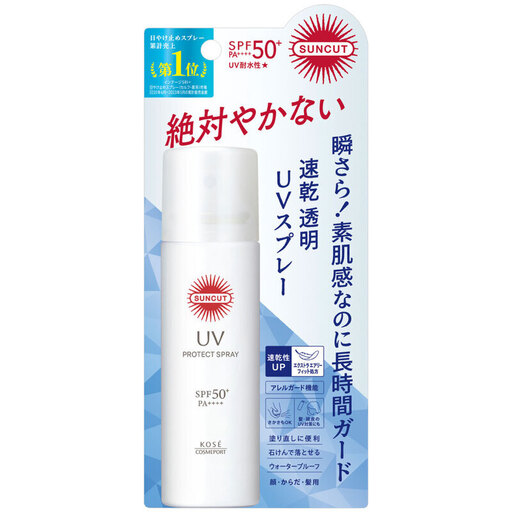
Why This Fits Their Persona: Ideal for those seeking a hassle-free solution for daily use. The spray can be applied directly over makeup to refresh protection throughout the day without disturbing your look. Its lightweight formula is also suitable for hair and scalp.
The ultra-light, breathable formula dries instantly, avoiding the typical sticky film that many transparent sprays leave behind. It feels like a second skin.
Provides very high protection (SPF50+ PA++++) and, according to the manufacturer, also protects against environmental particles like pollen and dust. The formula is free from fragrances, dyes, and mineral oil.
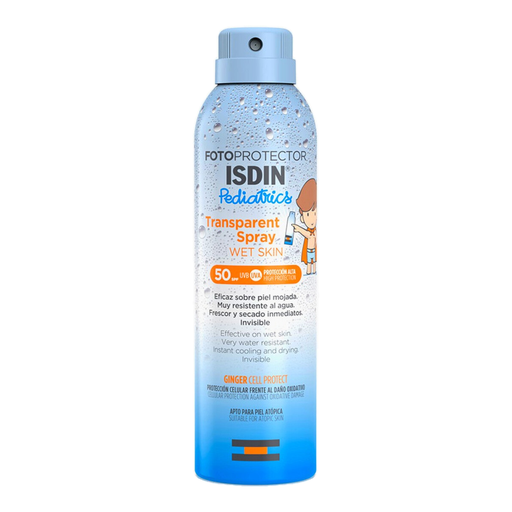
Why This Fits Their Persona: Perfect for parents who need reliable and easy-to-apply protection for their children (ages 3 and up). The ability to apply the spray directly to wet skin is especially practical at the beach or pool.
This product solves the problem of reapplying sunscreen on impatient children, as it works on wet skin. Furthermore, the manufacturer states it is suitable for atopic and sensitive skin, thus avoiding the trap of vague tolerance claims.
The "Wet Skin" technology allows for application on wet skin without loss of efficacy. The spray is very water-resistant and quick-drying, which increases comfort for active children.
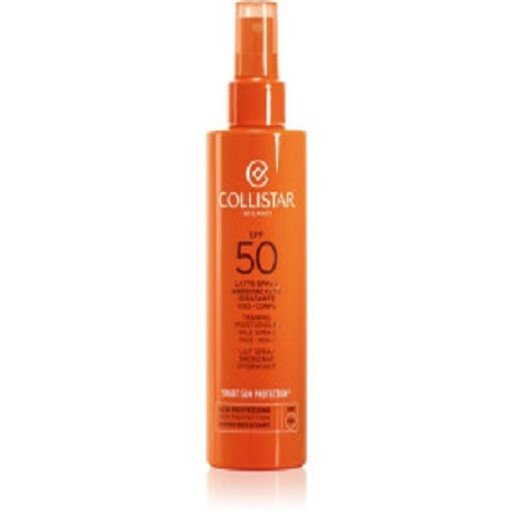
Why This Fits Their Persona: For users who want not only high protection but also a nourishing experience and a beautiful tan. The milk texture provides intense moisture and feels luxurious on the skin.
Instead of a potentially sticky transparent formula, this product uses a light, fast-absorbing milk emulsion. It moisturises and prevents the skin from drying out in the sun without leaving an unpleasant film.
Combines high sun protection (SPF 50) with moisturising ingredients. According to Collistar, it contains the Unipertan complex, which is designed to support the skin's natural tanning process.
We've compiled a complete, up-to-date list of products that fully meet these strict selection criteria and local regulations.
1. How often do I really need to reapply sunscreen spray? Regardless of the stated SPF and water resistance, you should reapply sunscreen every two hours. Reapplication is also always necessary immediately after swimming, heavy sweating, or towel-drying to maintain complete protection.
2. Can I still use last year's sunscreen spray? Check the packaging for the Period After Opening (PAO) symbol, which looks like an open jar. The number inside (e.g., "12M") indicates how many months the product is good for after its first use. If this period has passed, or if the product's smell, colour, or consistency has changed, you should discard it, as its protective effect can no longer be guaranteed.
3. How do I apply sunscreen spray correctly to avoid missed spots? The right technique is crucial for even protection. Spray the product generously onto the skin from a distance of about 10–15 cm and then rub it in thoroughly with your hands. This ensures no spots are missed. For the face, it is recommended to first spray the product into your hands and then carefully apply it to your face to avoid inhalation or contact with the eyes.