
Lieferung heute & morgen

Qualitätsgarantie

Willkommens-Angebote freischalten: KOSTENLOSE Lieferung | Bis zu 80 % RABATT | Kostenlose 30-Tage-JoyPlus-Testphase
App herunterladen
The range of sunscreen sprays is vast, but not every product lives up to its claims. Many consumers invest in sun protection that either fails to provide the desired level of defence or is unsuitable for their skin type. To help you make an informed decision, we'll highlight the most common pitfalls and explain which criteria truly matter.
Effective sun protection is essential. However, marketing terms can often create more confusion than clarity. Here are two widespread misunderstandings that can lead to choosing the wrong product.
To find the right sunscreen spray, you should look beyond the SPF value and consider the following parameters.
A high-quality sunscreen offers broad-spectrum protection. Look for two key indicators:
The texture and composition of a sunscreen spray are crucial for application comfort and skin compatibility.
The choice of the right sunscreen spray heavily depends on individual needs and intended use. Here are some recommendations tailored to specific user profiles.
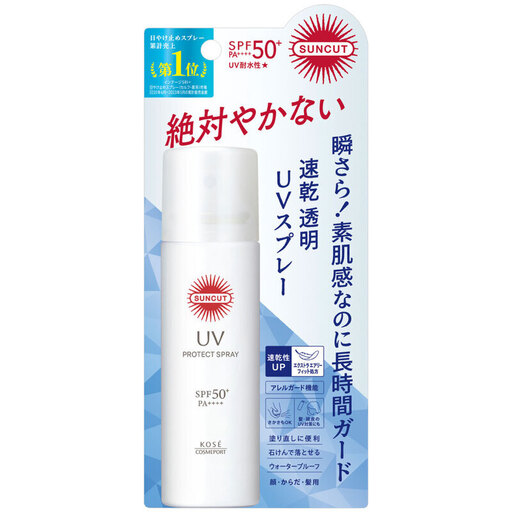
Why it's a match: Ideal for daily urban life. The transparent and lightweight formula can be applied directly over makeup without smudging, offering a quick protection refresh for the face and hair.
With SPF50+ and PA++++, this spray offers very high protection against both UVB and UVA rays, addressing the pitfall of focusing only on SPF.
According to the manufacturer, the formula also protects against environmental stressors like pollen and fine dust. It is water-resistant and can be easily removed with soap.
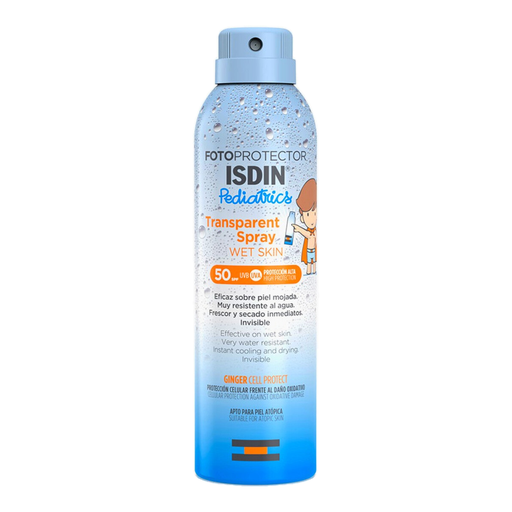
Why it's a match: Designed for children aged 3 and up, this spray is perfect for the beach or pool. Its suitability for atopic and sensitive skin makes it a safe choice for the whole family.
Its "very water-resistant" property and the ability to apply it directly to wet skin practically solve the problem of diminishing protection while playing in the water.
The transparent, quick-drying formula can be used on both wet and dry skin without leaving a white residue. This makes reapplication significantly easier.
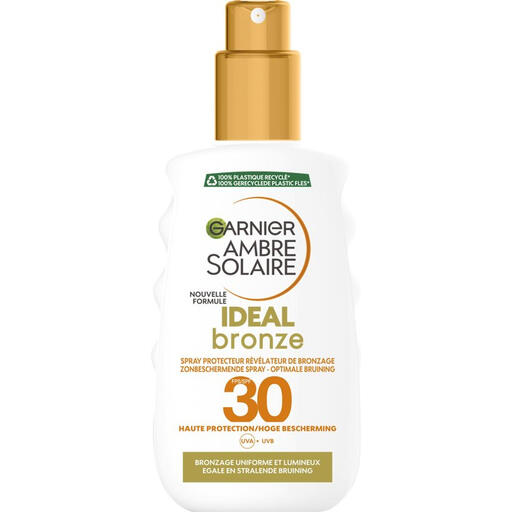
Why it's a match: For users who want to achieve an even, golden tan without sacrificing high protection. This tan-enhancing sunscreen spray supports the skin's natural tanning process.
This is not a self-tanner, but a sunscreen with SPF 30 and a UVA/UVB filter system. It balances the desire for a tan with necessary protection, helping to avoid the use of unprotected oils.
The non-greasy and water-resistant formula hydrates and ensures a comfortable feel on the skin while promoting a tan. According to the manufacturer, the bottle is made from 100% recycled plastic.
We have compiled a complete, up-to-date list of products that fully meet these strict selection criteria and safety regulations.
Regardless of the "water-resistant" claim, sunscreen should be reapplied every two hours. You should also always reapply after being in the water, sweating heavily, or drying off with a towel, as friction and water can wear away the protective film.
Most sunscreen products have a shelf life of 12 months after opening. This is indicated by an open jar symbol with a number (e.g., "12M"). If the product was stored improperly, such as in direct sunlight or extreme heat, the effectiveness of the UV filters can diminish. When in doubt, it's safer to use a new product.
The main difference lies in their consistency and application. Sunscreen sprays are more fluid, making them quick and easy to apply over large areas of the body. They are often available as a transparent sunscreen spray. Sunscreen lotions have a thicker texture that allows for a more targeted and often more visible application, which can help ensure complete coverage. The protective effect is comparable when the SPF is the same and the product is applied correctly.