Korean sunscreen, often called K-beauty sunscreen, has become a staple in the daily skincare routines of many people worldwide. Its innovative formulas promise a high SPF, a lightweight texture, and nourishing benefits. However, with such a vast selection, making a choice can be overwhelming. Not every product lives up to its claims, and a few common misconceptions can lead to buyer's remorse. This guide will help you identify the key features to look for and make an informed decision.
Common Pitfalls When Buying K-Beauty Sunscreen
Before you choose a product, it's helpful to understand three common misunderstandings that often lead to disappointment:
- The "Tone-Up" Trap: Many Korean sunscreens advertise a "tone-up" effect. This is often mistaken for a long-term skin-brightening treatment. In reality, it's usually a formula that uses mineral pigments or special particles to create an immediate, slightly brightening or evening effect. For some skin tones, this can result in an unwanted ashy or pale cast instead of naturally perfecting the complexion.
- Assuming a Universally Lightweight Texture: While many Korean formulas are known for their watery and lightweight textures, there are significant differences. A sunscreen labeled as a "cream" might be too rich for oily skin types, while an "essence" may not provide enough hydration for dry skin. Choosing the wrong texture can cause the product to feel sticky, pill under makeup, or dry out your skin.
- Focusing Solely on SPF: A high Sun Protection Factor (SPF) is important, but it primarily protects against UVB radiation, which causes sunburn. Comprehensive protection also requires high UVA protection to guard against premature skin aging. The PA system common in Asia (often seen as PA++++) is a good indicator, but it's crucial to look for products that offer broad-spectrum protection covering both types of radiation.
What Really Matters: The Key Selection Criteria
To find the right Korean sunscreen for you, focus on objective and verifiable product features.
UV Filters: Mineral, Chemical, or Hybrid?
The type of UV filter significantly determines the feel on the skin and its suitability for different skin types.
- Mineral Sunscreen: Uses physical filters like zinc oxide and titanium dioxide. These sit on top of the skin like a shield, reflecting UV rays. They are considered especially gentle and are therefore a common choice for sensitive skin. A potential downside is that, depending on the formula, they can leave a slight white cast.
- Chemical Sunscreen: Utilizes organic filters that absorb into the skin and convert UV radiation into heat. These formulas are often designed as a lightweight sunscreen or moisturizing sunscreen and typically absorb without a trace. Individuals with very sensitive skin should check the ingredient list for potentially irritating filters.
- Hybrid Formulas: Combine both filter types to unite their advantages—high tolerability and a pleasant, lightweight texture.
Texture and Finish: From Essence to Cream
The product's name gives an initial clue about its consistency.
- Essence/Serum/Gel: Very light, often watery textures that absorb quickly and leave no sticky feeling. Ideal for oily to normal skin or as a base under makeup.
- Lotion/Fluid: Slightly richer than an essence but still offer a lightweight feel. Well-suited for normal to combination skin.
- Cream: The richest texture, often containing additional nourishing ingredients. A great choice for dry or mature skin that needs a moisturizing sunscreen.
Protection Spectrum: SPF and PA Rating
Complete protection is essential for daily use on the face.
- SPF (Sun Protection Factor): Indicates the level of protection against UVB rays. For daily facial use, a face sunscreen with SPF 50 or higher is recommended to ensure reliable protection.
- PA Rating: The Japanese rating system for UVA protection. PA++++ represents the highest level of protection currently available and is a strong indicator of effective defense against skin aging.
Curated Options for Your Needs
Here are some recommendations tailored to specific needs and skin types.
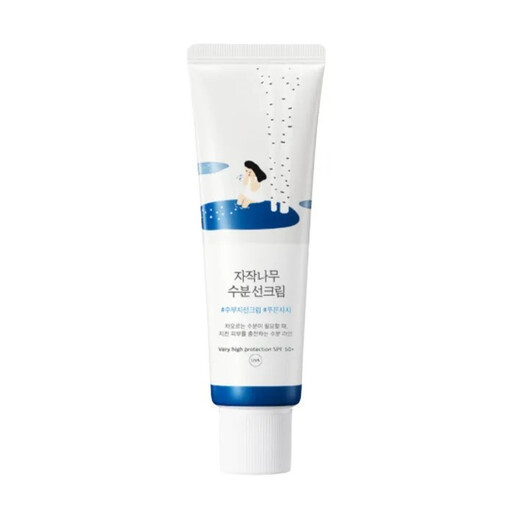
MATCH FOR: Daily Use & Makeup Wearers
Why This Fits Their Persona: Ideal for anyone looking for an everyday sunscreen that integrates seamlessly into their morning routine. It works great under makeup without pilling or leaving a greasy film.
How It Avoids the Trap
This product avoids the texture trap. Its lotion-like consistency is neither too heavy nor too watery, providing moisture without feeling heavy.
Key Advantage & Pros
The formula, featuring birch sap and hyaluronic acid, is deeply hydrating. It absorbs quickly and leaves no white cast.
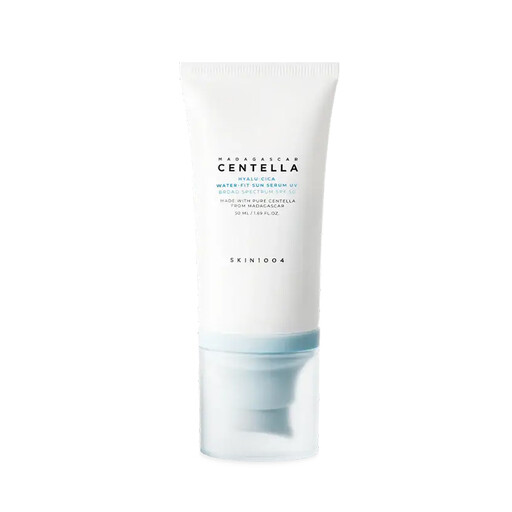
MATCH FOR: Sensitive & Irritation-Prone Skin
Why This Fits Their Persona: Designed for skin that reacts quickly to external factors. The serum-like texture soothes and hydrates without irritating the skin or clogging pores.
How It Avoids the Trap
This product doesn't just focus on SPF; it prioritizes skincare. It offers high broad-spectrum protection while also providing calming benefits, which is crucial for sensitive skin.
Key Advantage & Pros
The Hyalu-Cica formula combines Centella Asiatica from Madagascar with hyaluronic acid. This blend supports the skin barrier and provides intense moisture.
Looking for more options?
We've compiled a complete, up-to-date list of products that fully meet these strict selection criteria and current regulations.
Frequently Asked Questions
How much Korean sunscreen is needed for the face?
For effective protection, the "two-finger rule" is often recommended. Dispense a line of sunscreen onto your index and middle fingers. This amount is generally sufficient for the face and neck. Applying too little significantly reduces the stated level of protection.
Does Korean sunscreen always leave a white cast?
No. Whether a sunscreen leaves a white cast depends on the filter type and formulation. Modern chemical filters and many hybrid formulas are designed to leave no white cast. For purely mineral products, textures have been greatly improved in recent years, so many now leave only a minimal or no visible film.
Can a moisturizing sunscreen replace my daily moisturizer?
For those with oily or normal skin, a moisturizing sunscreen can often be sufficient to hydrate and protect the skin during the summer. However, for dry skin, it is still advisable to apply a separate moisturizer underneath your sunscreen to ensure optimal hydration.