
Lieferung heute & morgen

Qualitätsgarantie

Willkommens-Angebote freischalten: KOSTENLOSE Lieferung | Bis zu 80 % RABATT | Kostenlose 30-Tage-JoyPlus-Testphase
App herunterladen
The supplement market can be overwhelming. Countless products promise more energy, better focus, or a stronger immune system. However, not every product lives up to its advertising claims. Many consumers invest in supplements whose composition or dosage is unsuitable for their goals.
As your Joybuy Product Recommendation Officer, I'm here to help you identify crucial quality markers and avoid common purchasing traps. This guide will show you how to evaluate products objectively and make an informed decision.
Before you buy vitamins or choose a specific mineral supplement, you should be aware of the common marketing strategies that often overpromise and underdeliver.
To make an informed choice, focus on objective, verifiable criteria. These three parameters are crucial for the quality and potential benefit of a dietary supplement.
Bioavailability indicates how well and how quickly a nutrient is absorbed by the body and transported to its site of action. Pay attention to the specific chemical form of the active ingredient:
A high-quality product should be free from unnecessary additives and contaminants. Look for the following:
Instead of being guided by general health promises, choose products tailored to specific needs. Whether for supporting Joints and Bones, boosting Energy and Performance, or promoting Memory and Concentration—a targeted formula with clearly declared active ingredients is preferable to a non-specific blend. This also applies to probiotics, where the specific bacterial strains and the number of colony-forming units (CFUs) are crucial.
Here are some product recommendations tailored to different needs and priorities, which take the quality criteria mentioned above into account.
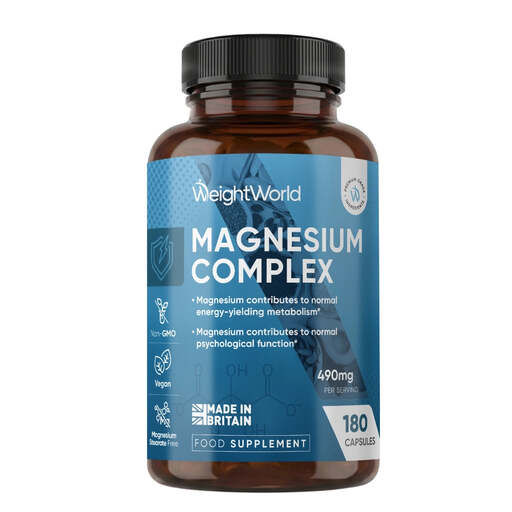
Why This Fits Their Persona: Ideal for individuals who want to specifically ensure their magnesium intake to support muscle function and reduce fatigue. Magnesium is a fundamental mineral, and the need for it can increase with stress or physical activity.
Instead of relying on a high dose of a single form, this product combines four different magnesium compounds (citrate, bisglycinate, malate, and oxide). This aims for broad absorption and tolerability, bypassing the trap of a pure but poorly available "high-dose" formulation.
The combination of different magnesium forms supports various bodily functions. The 180-capsule pack provides a 3-month supply and offers excellent value for money. It is also vegan and free from common allergens.
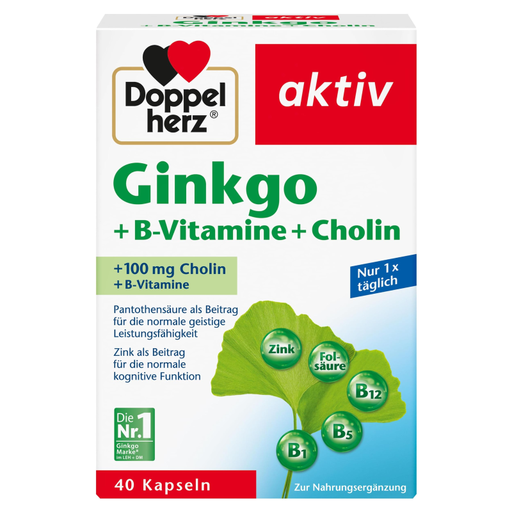
Why This Fits Their Persona: Suitable for adults looking to support their cognitive function and concentration during demanding periods at work or in life. The combination aims to maintain normal mental performance.
This product avoids the trap of vague "complex" formulations through transparent labelling. It clearly states that each capsule contains 100 mg of ginkgo leaf powder and 100 mg of choline, supplemented with specific B-vitamins and zinc.
The formula includes pantothenic acid (Vitamin B5), which contributes to normal mental performance, and zinc, which supports normal cognitive function. The B-vitamins also help reduce tiredness and fatigue.
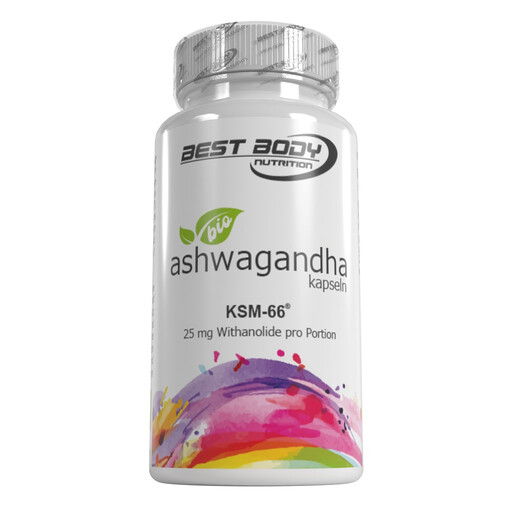
Why This Fits Their Persona: Perfect for health-conscious users and vegans seeking a high-quality, standardised plant extract for support during stressful periods. Ashwagandha is valued as an adaptogen that can help promote balance.
This product uses the patented branded raw material Ashwagandha KSM-66, a root extract with a standardised content of 5% withanolides. This guarantees consistent potency and purity, unlike non-standardised powder.
The raw material is certified organic (DE-?KO-003) and is extracted exclusively from the root. The capsules are vegan (Vcaps) and free from unnecessary additives, underscoring the focus on purity and quality.
We've compiled a complete, up-to-date list of products that fully meet these strict selection criteria and German safety regulations.
1. How can I identify high-quality supplements? Look for transparent labelling of all ingredients and their exact amounts, the use of active ingredient forms with high bioavailability (e.g., magnesium citrate instead of oxide), and a short ingredient list without unnecessary fillers or colourants. Certifications like GMP (Good Manufacturing Practice) are also an indicator of controlled manufacturing quality.
2. Do I need to take supplements permanently? It depends on the nutrient and your individual goal. Some supplements, like those for immune support, can be beneficial when taken in cycles during specific seasons. Others, such as Omega-3 capsules or Vitamin D in winter, may be a long-term addition if your diet is unbalanced or you have low sun exposure. If you are unsure or planning long-term use, it is advisable to consult a doctor or pharmacist.
3. What does "bioavailability" mean for vitamins and minerals? Bioavailability describes the percentage of a nutrient that is actually absorbed by the body after ingestion and becomes available in the bloodstream to perform its function. A high dose is of little use if bioavailability is low, as most of the active ingredient is excreted unused. Therefore, the chemical form of the nutrient is often more important than the sheer milligram amount.