
Lieferung heute & morgen

Qualitätsgarantie

Willkommens-Angebote freischalten: KOSTENLOSE Lieferung | Bis zu 80 % RABATT | Kostenlose 30-Tage-JoyPlus-Testphase
App herunterladen
Vegan food supplements are defined by more than their plant-based origin. What matters is the amount of active ingredients, the format, the ingredients list and whether the product fits into your daily routine. If you’re a vegan adult, an athlete or simply health-conscious, it’s worth taking a closer look at the product information.
A product may have a vegan capsule shell, while other ingredients such as flavourings, anti-caking agents or additives are not clearly explained. Always check the full ingredients list and look for clear statements such as 100% vegan, “gelatine-free” or a specific description of the capsule shell, such as HPMC.
The distinction is important with vegan collagen, too. Plant-based products generally don’t contain animal collagen, but instead provide amino acids and micronutrients which, according to the product description, may support the body’s normal collagen formation. This is not the same as collagen from an animal source.
Figures such as “20,000 mg” or “10,000 µg” may look impressive at first. What matters, however, is what the figure refers to: one capsule, one serving, an extract or the raw material. For example, Shilajit capsules may list a 20:1 extract alongside its raw-material equivalent.
So always compare:
Creatine or glycine powder is usually easy to adjust to your preferred dose, but you’ll need a scoop and a drink. Capsules are convenient when you’re out and about, although larger daily amounts may mean taking several at once. Liquid products such as liquid biotin are easy to measure out, but must be stored according to the manufacturer’s instructions once opened.
The price per pack can be misleading, too. Instead, work out the cost per daily serving. A larger pack may offer better value if you use it every day, as long as you finish it within the recommended period.
A clear, easy-to-understand ingredients list is more useful than marketing terms such as “clean” or “natural”. For creatine, it should be clear whether the product contains creatine monohydrate or creatine hydrochloride. With spirulina and chlorella, the species, amount and format are all relevant. For vegan astaxanthin, the source should be named, such as the microalga Haematococcus pluvialis.
If a product contains several plant extracts, it’s also worth checking for possible interactions. This is particularly important if you take medication regularly, are pregnant or breastfeeding, or have an existing health condition.
Food supplements are not a substitute for a balanced diet. The label should state the recommended daily serving, any warnings and, where applicable, Nutrient Reference Values (NRVs) for vitamins and minerals. If a product contains biotin, it’s also worth noting that high amounts can affect certain laboratory tests. That’s why the manufacturer of the liquid biotin product advises informing the medical laboratory or healthcare practice responsible for your care.
Health claims should use authorised wording. For example, according to an authorised nutrition and health claim, vitamin C contributes to normal collagen formation. This does not mean it can be claimed to treat skin, hair or joint problems.
Check the best-before date, batch details, manufacturer information and clear storage instructions. Powders can clump when exposed to moisture. Some liquid food supplements need to be kept cool once opened. Psyllium husk should be taken with plenty of fluid, as it absorbs water and swells.
When choosing a food supplement for energy and vitality, think about how well it fits into your daily routine. A product you regularly forget to take or find difficult to dose may not be right for you.
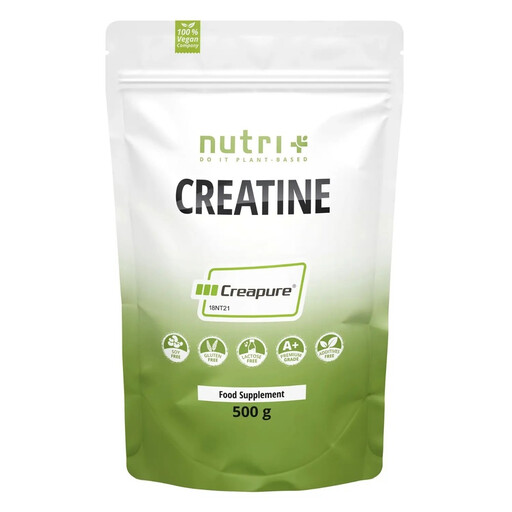
Why this product suits this profile: This powder is a good choice if you want to mix creatine into drinks for sport and fitness, with the flexibility to adjust the amount. According to the product description, one serving provides 3 g of creatine monohydrate and 0.38 µg of vitamin B12.
The ingredients list names creatine monohydrate and confirms the vegan formula. According to the product information, it contains no sweeteners, flavourings, colourings or preservatives.
500 g pack, measured with a scoop, and a clearly specified form of creatine.
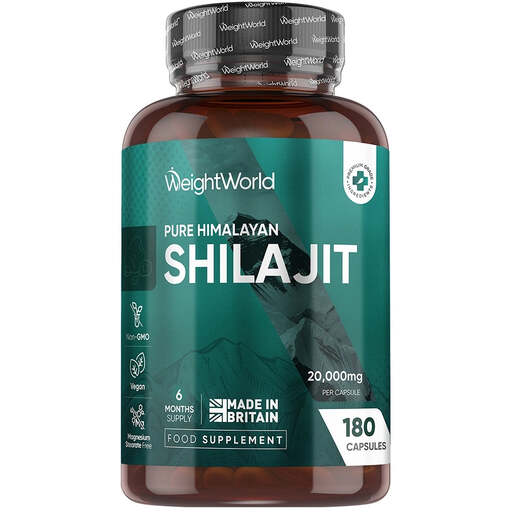
Why this product suits this profile: These capsules are aimed at adults who prefer a pre-measured format without the taste of a resin or liquid preparation.
The product information specifies a 20:1 extract equivalent, a recommended daily amount of two capsules and laboratory testing for heavy metals.
180 vegan capsules, declared fulvic acid and a flavourless way to take it.
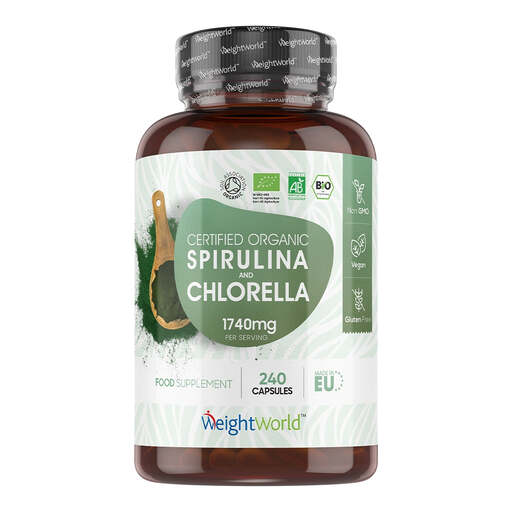
Why this product suits this profile: This combination of spirulina and chlorella may appeal if you want to include both microalgae in your capsule routine.
The product description lists certified organic ingredients, names both plant species and gives a specific daily serving of three capsules.
240 capsules, a vegan capsule shell, and gluten-, dairy- and soya-free claims according to the product description.
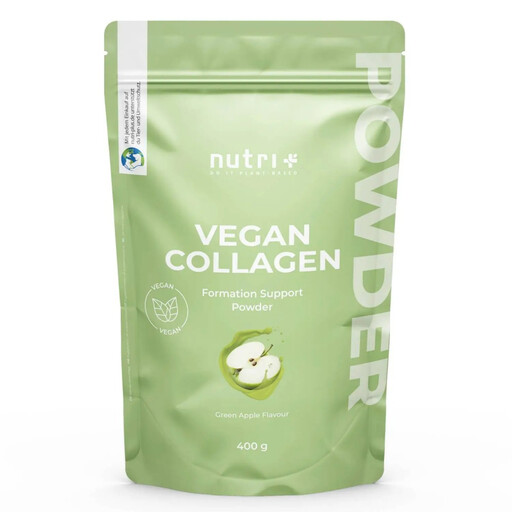
Why this product suits this profile: This blend is for anyone looking to add vegan collagen in the form of an amino acid and micronutrient powder to their daily drinks routine.
The formula lists individual amino acids, vitamin C, biotin, zinc and copper rather than relying on a vague umbrella term.
20 g daily serving, 400 g pack and a drink mix with a green apple flavour.
We’ve put together a complete, regularly updated list of products that meet these strict selection criteria and the safety regulations in force in the EU.
Creatine powder, creatine gummies and vegan electrolytes are popular choices for sport and fitness. The specific form of the active ingredient, the daily serving and how well you tolerate it are all important. During intense exercise, a supplement should not replace adequate fluid intake or a balanced diet.
Always follow the best-before date on the packaging. Once opened, there may be additional guidance, such as keeping liquid products cool or using powders promptly. Keep containers tightly closed in a dry place away from light, and only use the enclosed measuring scoop when it is clean.
No. Vegan primarily means that a product contains no animal-derived ingredients. Whether it’s right for you depends on its ingredients, dosage, your individual needs and any possible interactions. If you’re taking Shilajit, vegan astaxanthin, glycine powder or high-dose biotin, read the safety advice and seek medical advice if you’re unsure.