
Lieferung heute & morgen

Qualitätsgarantie

Willkommens-Angebote freischalten: KOSTENLOSE Lieferung | Bis zu 80 % RABATT | Kostenlose 30-Tage-JoyPlus-Testphase
App herunterladen
Buying supplements online may seem straightforward at first. But the range runs from protein powder and magnesium tablets to vitamin B complex, vitamin C effervescent tablets and curcumin capsules. Differences in dosage, ingredients, allergens and cost per serving are often only clear when you look more closely.
Three common pitfalls are particularly likely to lead to the wrong purchase:
The label should clearly state the amount per daily serving, the number of servings and, where available, the NRV percentage in line with EU requirements. With 400 mg magnesium and magnesium tablets, tolerability also matters: amounts above 250 mg of magnesium from food supplements may have a laxative effect in sensitive individuals.
A higher number does not automatically make a product a better choice. The same applies to vitamin B complex and vitamin D. Compare the actual daily dose with any supplements you already take, and take your diet into account.
When comparing protein powder and whey protein, these figures are particularly useful:
According to the product information, MAMMUT Nutrition Formula 90 Protein Powder Chocolate provides 78 g of protein per 100 g and 29 g of protein per serving. It combines soya, milk, whey and egg proteins and is labelled as suitable for vegetarians. However, it is not suitable if you are allergic to milk, soya or eggs.
According to the product information, Optimum Nutrition Gold Standard 100% Whey contains between 22.2 and 24 g of protein per 30 g serving, depending on the flavour. Its formula is based on a blend of whey isolate, whey concentrate and hydrolysed whey. Milk is listed as an allergen; some flavours may also contain gluten or soya.
Tablets, capsules, powders and effervescent tablets are used in different ways. Vitamin C effervescent tablets, for example, are dissolved in water, while capsules are usually taken with a meal and plenty of fluid. Sachets can be handy when you’re out and about, while a resealable tub may mean less packaging per serving if you use protein regularly.
Also check:
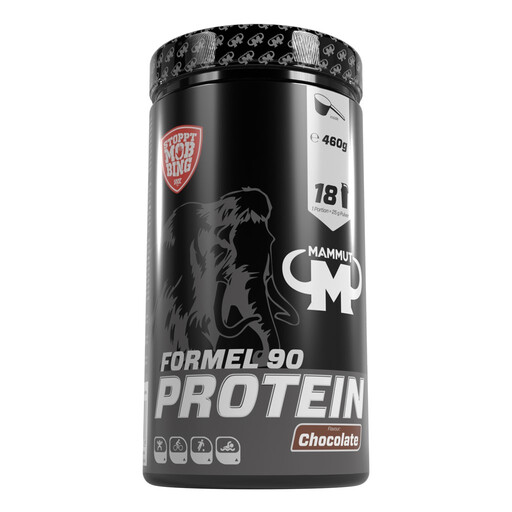
Why it suits this profile: The 460 g tub offers a manageable amount to get started with. According to the product information, a 25 g serving provides 29 g of protein and can be mixed with milk to make a shake or snack.
The product page lists the protein content, serving size, ingredients and allergens. This makes it possible to check the actual protein content, rather than judging it by the name “Formula 90” alone.
78 g of protein per 100 g, labelled as suitable for vegetarians, with vitamin B6; according to the product information, it is made in Germany.
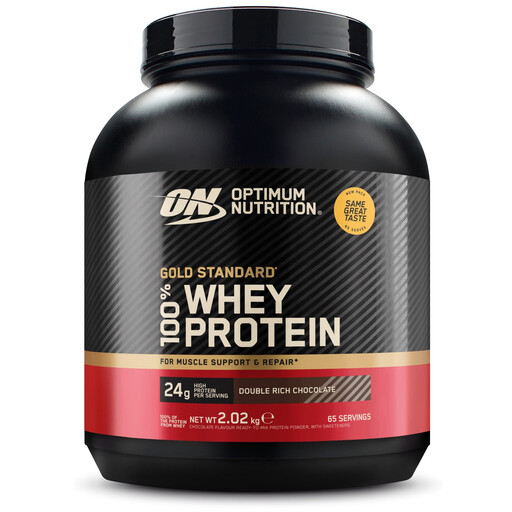
Why it suits this profile: This large pack is aimed at adults and athletes who need protein regularly. According to the product information, a 30 g serving contains 24 g of protein and 113 kcal.
The figures for 79 g of protein per 100 g, the 30 g serving size and the nutritional values make it easy to compare with other whey protein products.
Whey isolate, concentrate and hydrolysed whey; according to the product information, each serving contains 24 g of protein and 1 g of sugar.
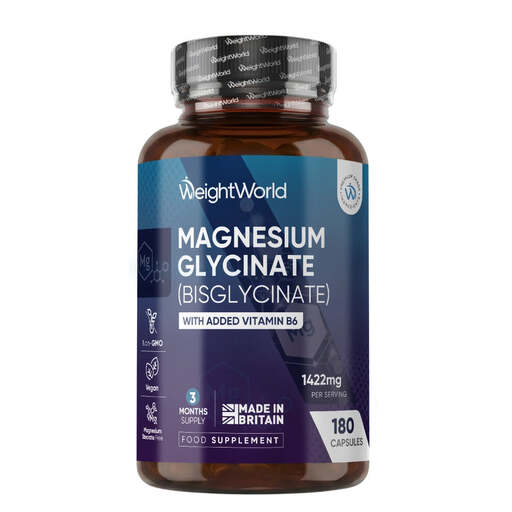
Why it suits this profile: According to the product information, the pack contains 180 plant-based capsules and is intended for adults who prefer to take supplements in capsule form.
The 1.422 mg figure refers to the magnesium glycinate compound. Before buying, check the packaging to confirm the amount of elemental magnesium.
180 capsules with a plant-based capsule shell; according to the product information, free from gluten, lactose and soya.
If you want to supplement just one nutrient group, you can narrow down your options. According to the product information, SUNLIFE Magnesium 400 mg High-Dose Effervescent Tablets provides 400 mg of magnesium per effervescent tablet, as well as vitamins C, E, B1, B6 and B12, and folic acid. If you prefer effervescent tablets, the format is worth considering.
When choosing a vitamin B complex, check which B vitamins it contains and how much of each. According to the label, the sanotact B-Complex product contains eight B vitamins, magnesium and vitamin D3. Doppelherz B-Complex + Folic Acid lists B1, B2, B3, B6, B12, biotin and folic acid, among other ingredients, but it contains lactose.
It is particularly important to consider your individual circumstances when choosing curcumin capsules or products such as Glucosamin Chondroitin. According to the product information, Doppelherz Curcuma 750 contains 750 mg of turmeric extract, 35 mg of curcuminoids, piperine and vitamin D3. WeightWorld Glucosamin and Chondroitin contains glucosamine sulphate, chondroitin sulphate, vitamin C, and turmeric and ginger extracts; crustaceans are listed as an allergen. If you take medication, are pregnant or breastfeeding, have a pre-existing condition or have allergies, seek medical advice before use.
We’ve put together a complete, regularly updated list of products that meet these strict selection criteria and fully comply with the safety regulations in force in the EU.
The best-before date on the packaging is the one to follow. Once opened, powders, tablets and capsules should be stored in a dry, cool place away from light, in line with the manufacturer’s instructions. A protein shake should be consumed straight after preparation and not left unrefrigerated for a long time.
The format mainly affects how easily a product fits into your routine. Effervescent tablets dissolve in water, while tablets and capsules don’t need an extra glass. More important than the format are the amount of elemental magnesium, the daily dose, the ingredients list and how well you tolerate it.
Check the product name, manufacturer, ingredients, allergens, dosage, recommended intake, pack size and delivery information. For protein powder, the protein content per serving matters; for vitamins and minerals, check the stated daily amount. Food supplements are not a substitute for a varied diet.