
Lieferung heute & morgen

Qualitätsgarantie

Willkommens-Angebote freischalten: KOSTENLOSE Lieferung | Bis zu 80 % RABATT | Kostenlose 30-Tage-JoyPlus-Testphase
App herunterladen
When you shop online for supplements and healthcare products, you’ll find a wide range of vitamins, minerals, lozenges and over-the-counter remedies. Product names often sound similar, but dosages and ingredients can vary considerably. If you focus only on terms such as “high strength”, “time release” or “complex”, you could end up paying for ingredients that don’t suit your needs.
As a Joybuy Product Recommendation Officer, I filter out the details that matter and show you which criteria are important when comparing products in Germany.
A high dose isn’t automatically the right choice. For vitamin D3, zinc, vitamin B6 or magnesium, check the amount per daily serving and take any other supplements into account. This is especially important if you plan to take them long term, as combining several products unnecessarily could lead to an excessive overall intake.
Tablets, capsules, microtablets and effervescent tablets differ in how easy they are to take and in their ingredients. For example, effervescent magnesium tablets contain acidity regulators, sweeteners and flavourings. Capsules may suit vegans, while some products contain gelatine or milk ingredients. Checking the ingredients can help you avoid the wrong purchase.
Supplements are not medicines and cannot replace a balanced diet. Throat and cough lozenges, cough syrup, heartburn chewable tablets and pain-relief gel, on the other hand, are over-the-counter healthcare products, each with its own directions for use. If your symptoms are persistent, severe or unclear, it’s a good idea to seek advice from a doctor or pharmacist.
Don’t just compare the amount per tablet; check the recommended daily serving. The NRV (Nutrient Reference Value) under EU Regulation 1169/2011 helps you assess vitamins and minerals. For magnesium, it’s also important to check whether the amount refers to the compound, such as magnesium glycinate, or to elemental magnesium.
For vitamin B complex, the ingredients list should show all the B vitamins included: B1, B2, B3, B5, B6, B12, biotin and folic acid. A B-complex containing 365 tablets may be more convenient than a small pack if you plan to follow the same routine over the long term.
If you’re vegan or vegetarian, details such as a vegan capsule shell, being gelatine-free and containing no milk, gluten or soya may be important. Even products with similar active ingredients may not suit you equally well if, for example, one contains lactose, soya oil or gelatine.
Check the ingredients list for magnesium glycinate just as you would for vitamin C and zinc. Sweeteners in lozenges or effervescent tablets may also be an important consideration for some people. Sugar-free products often contain sorbitol, isomalt, xylitol or other sweeteners, which can have a laxative effect if consumed in excess.
Taking one tablet a day is easy to plan, while some products require several servings. Pack size affects the ongoing cost: 30 capsules last around a month if taken daily, 180 tablets last about six months at one tablet a day, and 365 tablets provide roughly a year’s supply.
Take extra care if you’re pregnant or breastfeeding, have a chronic condition or take medicines. For vitamin K2 D3 and vitamin D3 K2, product information particularly recommends seeking advice if you take blood thinners. Ginkgo B vitamins may also be unsuitable without prior advice if you have an increased risk of bleeding or take anticoagulants.
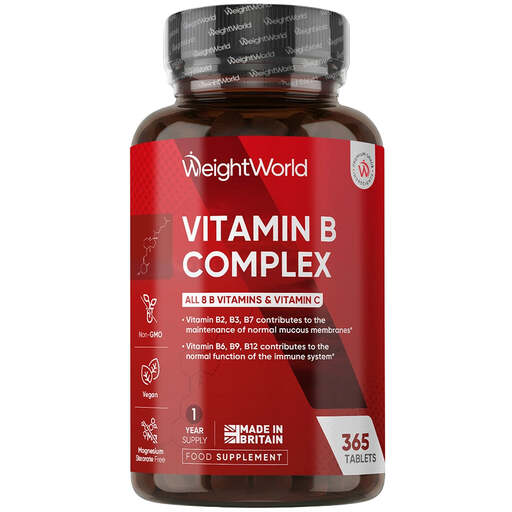
Why this product suits you: The pack contains 365 microtablets, giving you a clearly defined supply size that’s easy to plan for. It contains all eight B vitamins and is described as vegan, gluten-free, lactose-free and soya-free.
The clear recommendation to take one tablet a day and the transparent list of all eight vitamins make it easier to compare with other B-complex products.
365 tablets, a vegan formula and one-a-day use as directed on the product.
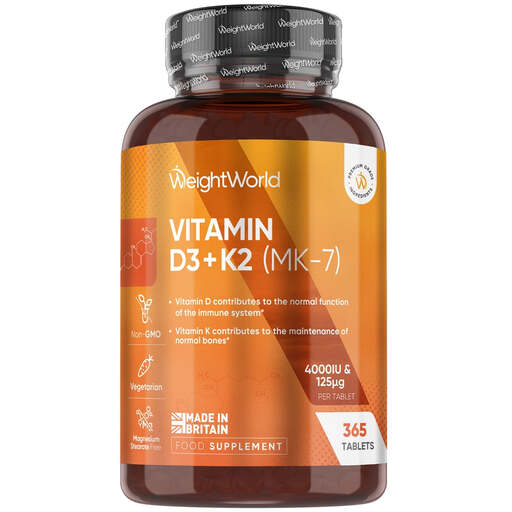
Why this product suits you: The combination specifies the forms and amounts of vitamins D3 and K2. One tablet a day and 365 microtablets make it easy to plan for long-term use.
Specifying 4.000 IU of vitamin D3 and 125 µg of K2 (MK-7) avoids relying on a vague “D3-K2 complex” claim. Be sure to read the product warnings before taking it.
MK-7 as the specified form of K2, a gluten-free and soya-free formula, and a year’s supply.
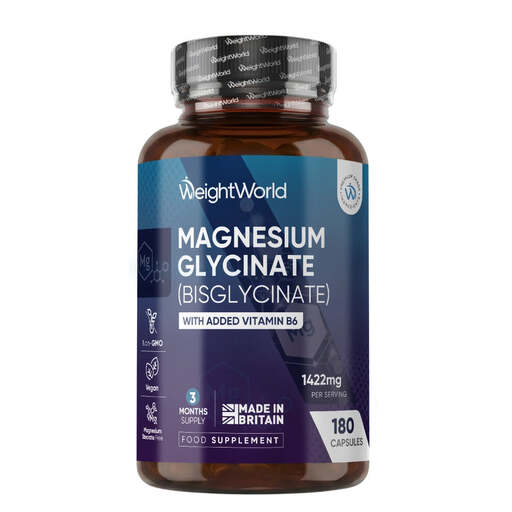
Why this product suits you: Two capsules a day and 180 capsules per pack provide around three months’ supply. The plant-based capsule shell is suitable for vegan diets.
The stated “1422 mg magnesium glycinate” should not be confused with the amount of elemental magnesium. Check the full nutrition table and recommended serving before buying.
Chelated magnesium, a plant-based capsule and a three-month pack size.
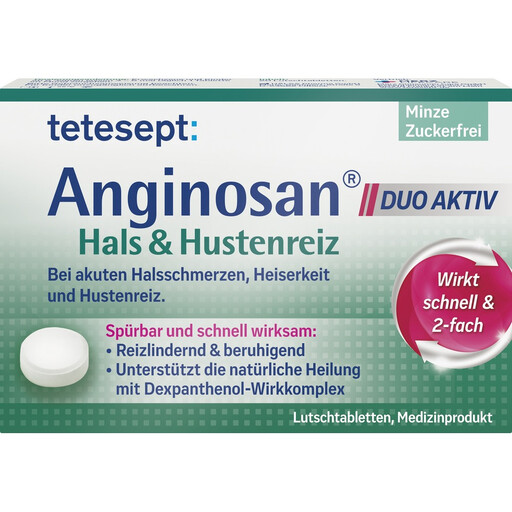
Why this product suits you: The sugar-free lozenges are listed as suitable for adults and children aged six and over. Iceland moss and dexpanthenol are among the specified ingredients.
The age guidance, recommended daily use of three to six lozenges and note about sorbitol are all clearly stated. This makes it easier to tell the product apart from ordinary cough sweets.
Sugar-free format, peppermint flavour and clear age and dosage guidance.
We’ve put together a complete, regularly updated list of products that meet these strict selection criteria and fully comply with the safety regulations in force in the EU.
For energy and nervous system metabolism, options alongside the WeightWorld product include taxofit Vitamin B Complex Tablets and Doppelherz B-Complex+Folic Acid. According to the product information, the latter contains lactose, so it may not suit every dietary requirement.
For vitamin C and zinc, you can choose between single-ingredient supplements and combinations such as Doppelherz Vitamin C 1000 + D3 + Zinc DEPOT. The 1.000 mg of vitamin C and 12 mg of zinc should be considered as part of your personal daily intake. If you’d prefer a drink, Sunlife Vitamin C effervescent tablets provide 180 mg of vitamin C per tablet.
Other categories include Coenzyme Q10 with B vitamins and zinc, Ginkgo B vitamins, and a zinc immune support course with additional trace elements. For throat discomfort, options include Anginetten Voice Lozenges as well as sugar-free cough sweets. For other needs, cough syrup, heartburn chewable tablets and pain-relief gel should be assessed separately, as directions, age limits and warnings vary from product to product.
Check the best-before date, packaging instructions and storage conditions. Many products should be stored in a dry place, away from light, at no more than 25 °C. Liquids may have a much shorter use-by period once opened. Always replace the lid after use.
Tablets and capsules work well as part of a regular daily routine. Microtablets may be easier to swallow, while effervescent tablets dissolve in water. Lozenges are intended for throat and cough discomfort, not as a substitute for vitamin supplements. Your personal preferences, the ingredients and correct use are all important.
Divide the purchase price by the number of daily servings in the pack. A pack of 180 tablets isn’t automatically cheaper than two packs of 90 if the dosage or amount of active ingredient differs. Always compare price per daily serving, active ingredient content and how long the pack will last.