
Lieferung heute & morgen

Qualitätsgarantie

Willkommens-Angebote freischalten: KOSTENLOSE Lieferung | Bis zu 80 % RABATT | Kostenlose 30-Tage-JoyPlus-Testphase
App herunterladen
Crafting authentic sushi at home starts with one crucial ingredient: the right rice. However, the selection at the supermarket can be overwhelming. Which sushi rice has the perfect stickiness? Which variety also works as rice for onigiri?
As your Joybuy Product Recommendation Officer, I have compiled the essential information for you. This guide will help you understand the characteristics of high-quality Japanese rice and make an informed purchasing decision based on objective criteria like grain type, stickiness, and origin.
Before you buy sushi rice, you should be familiar with a few fundamental properties that are crucial for the success of your dishes.
For sushi, short-grain rice for sushi (also known as short- or medium-grain rice) is used exclusively. Unlike long-grain rice such as basmati or jasmine, short-grain rice contains a higher proportion of amylopectin, a type of starch that provides the signature stickiness when cooked. This property is essential for holding sushi rolls together and making the rice mouldable.
A particularly prized variety is Koshihikari rice. It is known for its perfect balance of stickiness, texture, and a subtly sweet flavour, making it a preferred choice for many Japanese dishes.
The goal is a good sticky rice. The stickiness ensures that the rice is easy to shape after cooking and seasoning, without becoming mushy. The individual grains should still be distinct but cling together. This is achieved through the right ratio of amylose and amylopectin in the starch. Thoroughly washing the rice before cooking is also important to remove excess starch from the surface and ensure an optimal texture.
The choice of pack size depends on your consumption. A 1kg sushi rice pack is ideal for occasional sushi nights or for trying out a new variety. Those who cook Japanese food regularly will benefit from larger formats like 5 kg bags, which often offer better value for money.
While rice from Japan is considered the traditional standard, high-quality short-grain rice is now also grown in other regions like Italy or the USA. These products can offer comparable quality with a potentially smaller carbon footprint.
Here is a selection of products that meet different needs—from an all-rounder for beginners to a premium variety for enthusiasts.
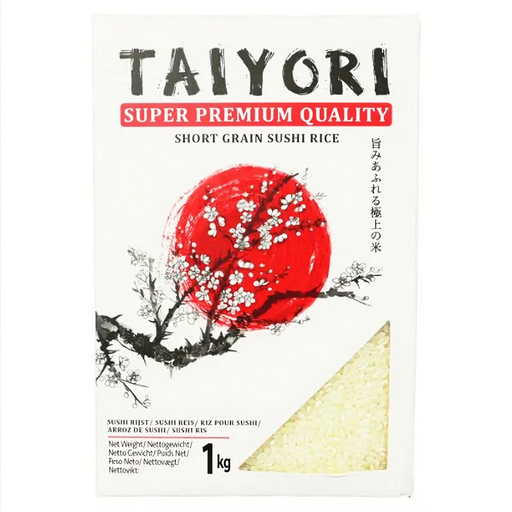
Why it stands out: Taiyori Sushi Rice is a specially selected short-grain rice that provides a reliable foundation for Japanese cuisine. After cooking, it achieves an ideal fluffy yet sticky texture, making it easy to roll sushi and shape onigiri.
Pros:
Who is it for? This product is an excellent choice for home cooks looking for a reliable and straightforward sushi rice for beginners or regular use. The 1 kg pack is practical for households that occasionally prepare sushi or other Japanese rice dishes.
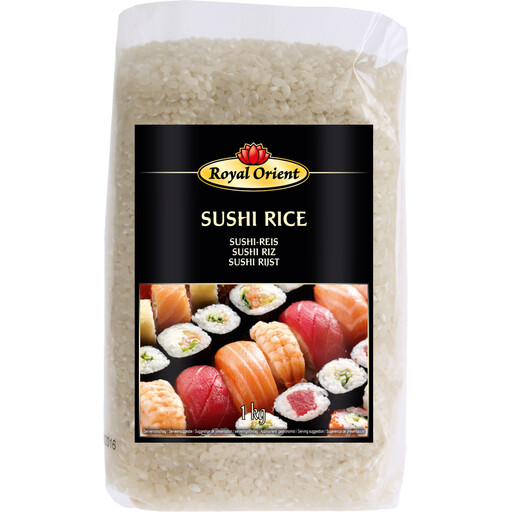
Why it stands out: This Japanese-style short-grain rice is grown in Italy, making it an option with a potentially smaller carbon footprint for European kitchens. It is distinguished by its pearlescent texture and high stickiness.
Pros:
Who is it for? Ideal for consumers who value regional sourcing and high quality. Anyone looking for a versatile rice that works for both savoury Japanese dishes and sweet desserts will find this to be a perfect match.
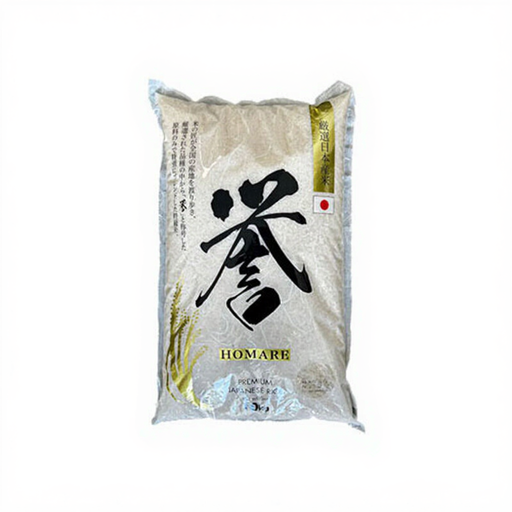
Why it stands out: Homare rice is a high-quality Koshihikari variety, considered the gold standard for Japanese table rice. It offers an exceptional balance of flavour and texture and is grown and packed directly in Japan.
Pros:
Who is it for? This product is aimed at experienced home cooks and Japanese cuisine enthusiasts who value authentic, premium quality and frequently prepare rice dishes. The bulk pack is ideal for families or anyone who wants to keep a stock of high-quality rice at home.
The right rice variety is the first step to perfect sushi. If the products featured here don't quite meet your needs, or if you'd like to compare other varieties and pack sizes, you're sure to find the right fit in our comprehensive selection.
Explore our entire range of Japanese Sushi Rice and find the perfect foundation for your culinary creations.
Sushi rice is a special short-grain rice with a high content of the starch amylopectin. This starch gives it its characteristic sticky and mouldable quality after cooking. Long-grain rice varieties like basmati or jasmine have a lower amylopectin content, cook up fluffier, and are therefore unsuitable for preparing sushi or onigiri.
Yes, washing is an essential step. It removes excess starch from the surface of the rice grains. This process prevents the rice from turning into a pasty mush during cooking. Instead, the individual grains remain intact while still sticking together nicely—the ideal texture for sushi. Wash the rice in cold water until the water runs clear.
Absolutely. The properties that make a rice good for sushi—specifically its stickiness and mouldability—are the exact same ones needed to prepare onigiri (Japanese rice balls). Therefore, any good sushi rice is also an ideal rice for onigiri.