
Lieferung heute & morgen

Qualitätsgarantie

Willkommens-Angebote freischalten: KOSTENLOSE Lieferung | Bis zu 80 % RABATT | Kostenlose 30-Tage-JoyPlus-Testphase
App herunterladen
Anyone looking to buy sushi rice will find a wide range of products online described with terms such as “Japanese variety”, “premium” or “particularly sticky”. These descriptions alone reveal little about whether the rice is suitable for maki, nigiri, onigiri or everyday use. The key factors are the shape of the rice grain, the ingredients list, preparation instructions, country of origin and pack size.
Households, home cooks and food service businesses all have different requirements. A 1-kg bag can be ideal for occasional sushi nights, while restaurants or families that use rice regularly may prefer 10 kg sushi rice or larger packs.
Japanese sushi rice is generally a white short-grain or round-grain rice. During cooking, it absorbs water and develops a cohesive, but not necessarily doughy, texture. This makes it easy to shape and season with sushi vinegar.
“Glutinous rice”, also known as sticky rice, is a separate type of rice. It is often used for sweet rice cakes, desserts or traditional Asian dishes. For classic sushi, it is usually too sticky. Basmati, jasmine and other long-grain rice varieties, on the other hand, remain relatively loose after cooking and are therefore not readily suitable as rice for sushi and onigiri.
A 10 kg pack of sushi rice or a 20 kg pack can reduce the price per kilogram. However, when consumption is low, the opened pack is more likely to absorb moisture and odours or attract pests. Before buying, you should therefore check whether you have an airtight storage container available.
For a household that only prepares sushi occasionally, 1 kg sushi rice is often easier to store. Frequent users, large families and food service businesses can consider larger packs, provided the rice is kept dry, cool and protected.
A product may contain a Japanese rice variety but have been grown or packed in another country. This is not automatically a quality issue. However, country of origin, rice variety and ingredients list should be clearly stated to help you make an informed decision.
Rice with added ingredients, ready-cooked microwave portions and seasoned express products are not the same as dry short-grain rice for sushi preparation. The product description should therefore be read carefully.
Look for terms such as Short Grain, Round Grain, Sushi Rice or Rundkornreis. These terms provide a better indication of the eventual texture than general descriptions such as “Asian rice”.
For sushi, onigiri and bento, choose products whose descriptions specifically mention that the cooked rice is easy to shape and holds together well. Long-grain varieties such as basmati or jasmine rice, by contrast, are intended for loose, separate side dishes.
For classic sushi rice, the ingredients list should be as simple as possible: rice, 100 per cent. Sushi vinegar, sugar and salt are usually added separately. Nevertheless, always check the packaging, particularly if you have allergies or intolerances.
Statements such as “no allergens requiring declaration” refer to the information provided for the specific product. The latest information on the packaging always takes precedence.
The right quantity depends on your usage and available storage space:
After opening, store dry rice in a clean, airtight container. The storage area should be cool, dry, well ventilated and protected from direct sunlight. Check the best-before date on the packaging before buying and when storing your supplies.
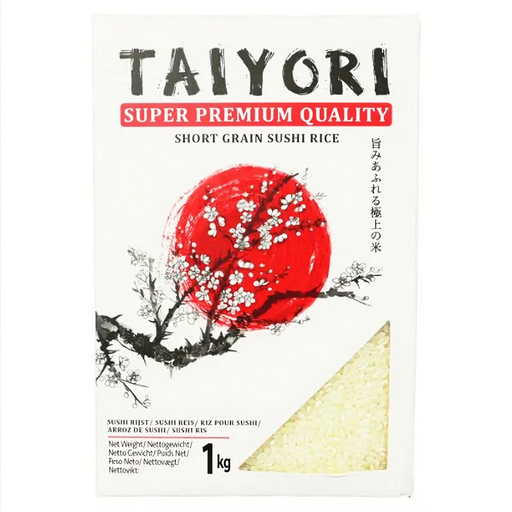
Why this product suits this profile: The 1 kg pack is a manageable size and is suitable for trying your hand at maki, onigiri or Japanese side dishes.
The product description identifies it as short-grain or round-grain rice and states that it is suitable for sushi and rice balls. This makes the rice variety clearer than a general long-grain rice description.
Rice as the only ingredient, 1 kg net weight and clear instructions for washing and cooking.
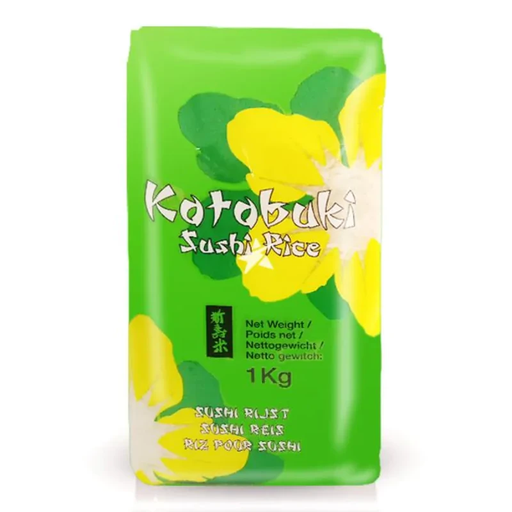
Why this product suits this profile: The description specifies a Japanese short-grain selection for nigiri, maki and chirashi bowls.
The ingredients list states 100 per cent short-grain rice with no added preservatives or flavourings. The recommended resting time after cooking is also provided.
1 kg net weight, pure rice ingredients and cooking instructions covering washing, adding water and resting.
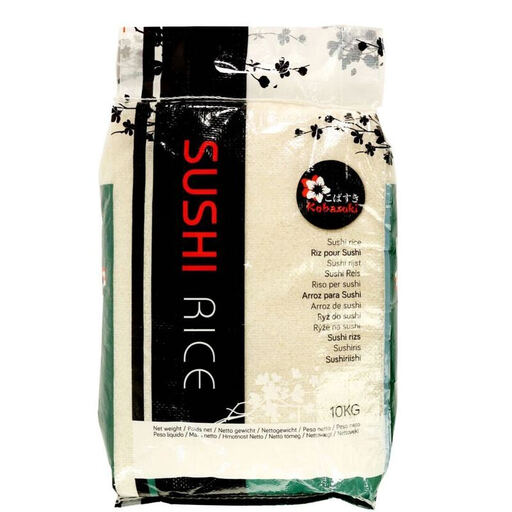
Why this product suits this profile: The 10 kg pack is aimed at households with regular consumption as well as catering and food service businesses.
The product information specifies short-grain rice, the ingredients and a ratio of 1.2 parts water to 1 part rice. The large quantity should only be chosen if you have suitable storage.
10 kg net weight, 100 per cent short-grain rice and suitability for sushi, rice balls and bento.
We have put together a complete, regularly updated list of products that fully meet these strict selection criteria and the safety regulations applicable in the EU.
A few steps are more important than the brand when it comes to achieving a rice texture that is easy to shape:
The instructions on the individual packaging take precedence, as rice varieties, harvest conditions and cooking methods can vary.
Typically, white short-grain or round-grain rice that holds together sufficiently after cooking is the best choice. Long-grain rice and glutinous rice are intended for other preparations and often produce a different texture in sushi.
Unopened dry rice can be stored until the best-before date printed on the packaging. After opening, it should be kept in an airtight container, in a dry place and protected from heat, light and strong odours. For the specific shelf life, follow the information on the packaging.
That depends on how much you use. A bulk pack can be practical for restaurants, clubs, catering businesses or large households. If you only prepare sushi occasionally, a smaller pack often takes up less space and reduces the risk of having to store the rice for a long time.