
Lieferung heute & morgen

Qualitätsgarantie

Willkommens-Angebote freischalten: KOSTENLOSE Lieferung | Bis zu 80 % RABATT | Kostenlose 30-Tage-JoyPlus-Testphase
App herunterladen
Making sushi at home is a rewarding experience. But disappointment often lies in the details—specifically, the sushi rice. It's the foundation of every piece, and its flavour can make or break the entire dish. A crucial component is the sushi vinegar. Yet, buying it can be surprisingly confusing. Many home cooks invest in expensive fish, only to find their rice tastes bland or unpleasantly acidic.
This is often due to common misconceptions and unclear product labelling. Before you make a choice, you should understand the typical pitfalls that lead to disappointing results.
To avoid these mistakes and find the right vinegar for your needs—whether for a quick weeknight dinner or authentic home-made sushi—you should focus on three key factors.
The base for any good sushisu is the vinegar itself. Traditionally, rice vinegar (komezu) is used, which is made by fermenting rice. It is characterized by a mild, slightly sweet acidity that harmonises perfectly with the rice. Products based on spirit vinegar are often sharper and less nuanced in flavour. A look at the ingredients list is crucial here. Brands like Mizkan are known for their rice-based vinegars.
A pre-mixed seasoned rice vinegar takes the guesswork out of finding the perfect ratio yourself. The manufacturer's challenge is to create a balance that seasons the rice without dominating it. A good blend enhances the natural flavour of the rice. The order of ingredients often provides a clue: if sugar is the first ingredient, the product is likely to be very sweet. Properly seasoning sushi rice requires a subtle balance.
Some higher-quality sushi vinegars contain additional ingredients that provide more depth of flavour (umami). A common component is kombu extract (seaweed). This lends the vinegar a subtle, savoury note that rounds out the overall taste of the sushi. The presence of kombu extract is often an indicator of a well-crafted product that goes beyond a simple sugar-salt-vinegar mixture.
Depending on your experience level and time constraints, different products will be suitable for you. Here are some recommendations tailored to common user profiles.
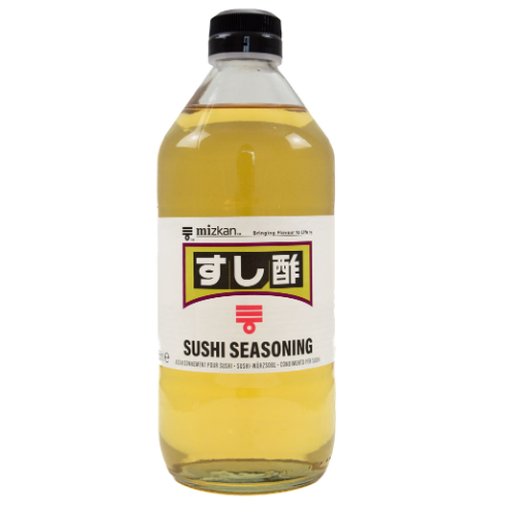
Why This Fits Their Persona: Ideal for beginners or when you're short on time. This pre-mixed seasoning takes the guesswork out of preparation and ensures consistently good results without needing to measure ingredients. Simply mix it into the cooked rice and let it cool.
This product is a ready-to-use sushisu, not a pure vinegar base. It prevents the classic mistake of using unsweetened rice vinegar. The blend is already balanced.
Ready to use and foolproof. Contains kombu extract for an added umami note, which indicates a high-quality pre-mixed seasoning.
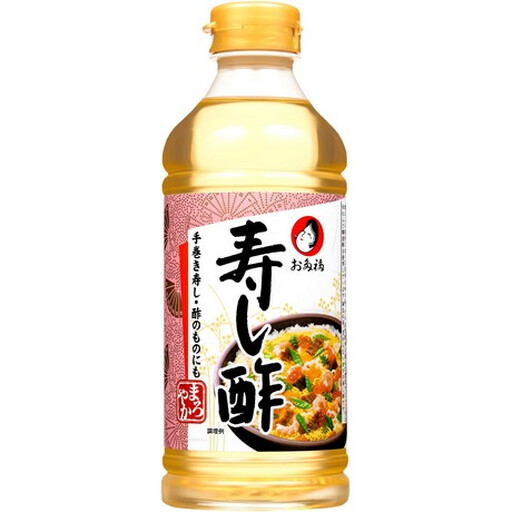
Why This Fits Their Persona: For home cooks who value a traditional flavour base. Otafuku is a well-known Japanese brand, and this product is based on brewed rice vinegar, ensuring an authentic, mild taste.
The ingredients list is clear and shows brewed rice vinegar as the main component. It bypasses the trap of products based on harsher spirit vinegar.
A balanced sweet-and-sour profile that perfectly complements the rice without overpowering it. It gives the rice a beautiful sheen, which is characteristic of good sushi.
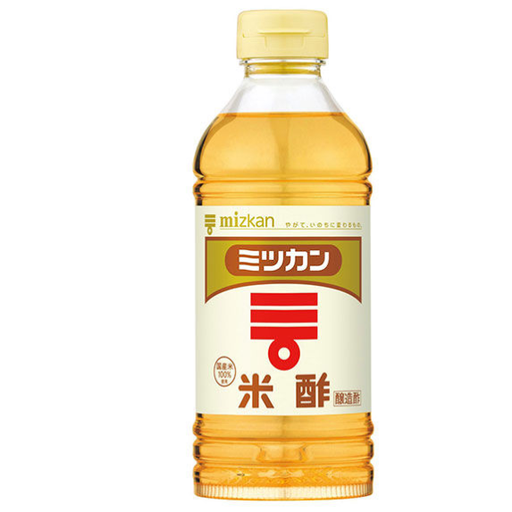
Why This Fits Their Persona: Perfect for experienced cooks who want full control over the flavour of their sushi rice. This product is a pure, unsweetened rice vinegar for sushi—the ideal canvas for creating your own sushi rice recipe.
This product is intentionally unseasoned. It avoids the pitfall of unbalanced pre-mixed seasonings by giving the cook the freedom to adjust the sugar-to-salt ratio to their own taste.
Maximum flexibility and control over the final result. The mild acidity of the pure rice vinegar provides a high-quality base for a custom seasoning blend.
We have compiled a complete, up-to-date list of products that fully meet these strict selection criteria and German regulations.
A common rule of thumb for a pre-mixed, seasoned sushi vinegar is to use about 2-3 tablespoons (approx. 30-45 ml) per cup of uncooked rice. The exact amount can vary depending on the product and personal preference. It is recommended to add the vinegar gradually to the hot rice and fold it in gently until the desired taste and consistency are achieved.
Yes, but not on its own. Regular, unsweetened rice vinegar is the traditional base for making your own sushisu. To do this, you need to gently heat the rice vinegar (do not boil) and dissolve sugar and salt in it until the liquid is clear. A classic sushi rice recipe for seasoning uses a ratio of about 5 parts rice vinegar, 2 parts sugar, and 1 part salt.
Sushi vinegar, whether seasoned or plain, has a very long shelf life due to its acidity. After opening, the bottle should be tightly sealed and stored in a cool, dark place, such as a pantry. Refrigeration is not necessary but can help preserve the flavour over a longer period. It is typically good for many months to over a year after opening. Always check the best-before date on the packaging.