
Lieferung heute & morgen

Qualitätsgarantie

Willkommens-Angebote freischalten: KOSTENLOSE Lieferung | Bis zu 80 % RABATT | Kostenlose 30-Tage-JoyPlus-Testphase
App herunterladen
A reusable water bottle is a smart choice for your wallet and the environment. However, the search for the right model can quickly become overwhelming. Many buyers report leaky lids, an unpleasant aftertaste, or bottles that become nearly impossible to clean hygienically after a short time.
Before you make a decision, it's helpful to know the three most common pitfalls that can lead to a bad purchase. This guide, created by the Joybuy Product Recommendation Officer, will help you see through marketing claims and make an informed choice.
Nearly every bottle is advertised as leak-proof. In practice, however, the reality is often different, especially when the bottle is carried in a bag or filled with carbonated drinks. The problem often lies in a poorly designed lid or a low-quality silicone seal that gives way under pressure or movement. A truly leak-proof bottle requires a precision-engineered lid mechanism that can withstand the rigors of daily use.
The BPA-free water bottle label is a minimum standard today, but it alone is no guarantee of quality. Cheap plastics can quickly absorb odours and discolour, or become brittle after just a few months. The durability and taste neutrality of a bottle depend directly on the quality of the base material—be it high-grade plastic like Tritan, a robust stainless steel water bottle, or taste-neutral glass.
A bottle that is difficult to clean quickly becomes a hygiene trap. Complex lids with many small, inaccessible parts or very narrow bottle openings are ideal breeding grounds for bacteria and mould. A well-thought-out design is characterized by components that are easy to disassemble and can be reached with a standard bottle brush.
To avoid these pitfalls, you should check three key parameters before buying.
The choice of material affects weight, durability, insulation properties, and taste.
The lid is the most critical component for leak-proof performance.
Depending on the intended use, certain features can significantly enhance convenience.
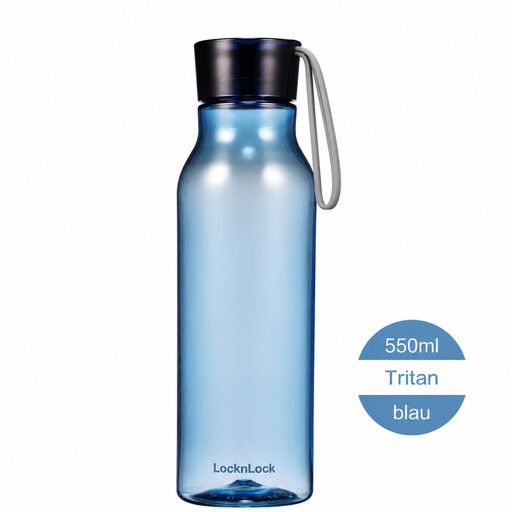
Why This Fits Their Persona: Ideal for the commute to work or university. The lightweight Tritan material (approx. 110g) is barely noticeable in a bag, while the simple screw-top lid and carrying strap make everyday handling easy.
The simple screw-top lid with a well-defined silicone seal is less prone to leaks than complex mechanisms. The high-quality Tritan material prevents the typical plastic taste and odour build-up.
Lightweight and shatterproof: Made from Tritan copolyester. Easy to clean: Uncomplicated design with no hard-to-reach parts.
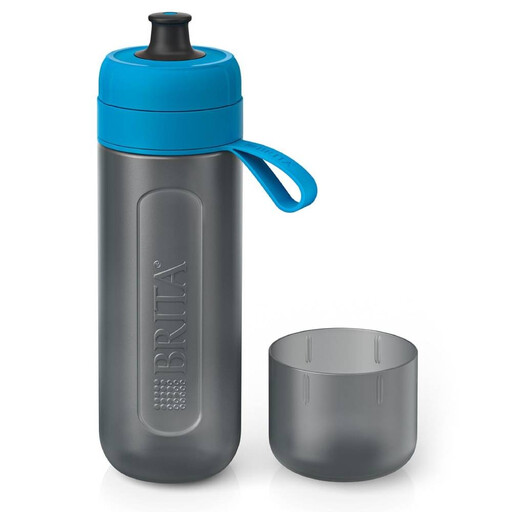
Why This Fits Their Persona: This sports water bottle is designed for active people. It can be operated with one hand, and the flexible material allows for quick drinking by squeezing. The integrated filter ensures fresh-tasting water anywhere.
The bottle solves the problem of unpleasant-tasting tap water right at the source. The MicroDisc technology filters taste-impairing substances like chlorine, making single-use bottles unnecessary.
Integrated water filter: Reduces chlorine and other substances. Practical sports cap: Designed for one-handed use and dishwasher-safe (without the filter).

Why This Fits Their Persona: For users who value temperature control and durability. This stainless steel water bottle keeps drinks cold or hot for hours thanks to vacuum insulation, making it perfect for tea, coffee, or ice-cold water.
The robust 18/8 stainless steel construction completely bypasses the durability trap. It is impact-resistant and absolutely taste-neutral. The leak-proof 2-in-1 lid is designed for the secure transport of hot and cold liquids.
Double-walled vacuum insulation: Keeps drinks cold for up to 24h and hot for 12h, according to the manufacturer. Versatile lid: Offers both a straw and a spout opening.
We have compiled a complete, up-to-date list of products that fully meet these strict selection criteria and German safety regulations.
For daily hygiene, it is sufficient to rinse the bottle with warm water after use and let it air dry without the lid. For a more thorough cleaning, which should be done about once a week, use a bottle brush and mild dish soap. For stubborn deposits, a mixture of water and baking soda or vinegar can help. Always check the manufacturer's instructions to see if your bottle is dishwasher-safe.
The "BPA-free" label means that the chemical Bisphenol A was not used. This is an important health and safety standard. However, it is only one aspect of material quality. High-quality materials like 18/8 stainless steel or Tritan plastic offer additional safety, as they are generally considered very stable, durable, and free from leaching plasticizers or other substances.
No, this is not recommended. The pressure created by carbonation can damage the seals on conventional bottles and lead to leaks. In the worst-case scenario, the pressure can damage the lid or even the bottle itself. For carbonated drinks, only use bottles that are explicitly designated by the manufacturer as suitable for carbonated drinks, such as the Mepal Ellipse water bottle.