
Lieferung heute & morgen

Qualitätsgarantie

Willkommens-Angebote freischalten: KOSTENLOSE Lieferung | Bis zu 80 % RABATT | Kostenlose 30-Tage-JoyPlus-Testphase
App herunterladen
If you’re looking for sustainable disposable tableware for a garden party, picnic or BBQ, you’ll come across plenty of similar claims: biodegradable, compostable, especially sturdy or microwave-safe. But not every product automatically offers all these features. The key things to consider are the material, intended use, pack size and disposal instructions.
Terms such as biodegradable paper plates, sugarcane plates and compostable plates describe the material or a product feature. They don’t automatically mean that the plates will break down completely in your home food waste bin or compost heap. Local requirements vary from one council to another.
So check:
A set of 50 plates might seem like good value at first. But it could be too many for a small household or a gathering with just a few guests. On the other hand, 20 plates may not be enough for a larger family celebration. Work out how many you’ll need, including a few spares for second helpings, dropped plates and extra guests.
A thick rim or firm surface doesn’t automatically mean a plate is suitable for soup, grilled food or particularly greasy dishes. Look for specific details about water and oil resistance, heat resistance and intended use. This is especially important for paper plates used for BBQs and catering.
Sugarcane plates are made from bagasse, or sugarcane fibres. Product details should clearly state whether the material is food-safe and which types of food the plates are suitable for. For paper plates, the inner coating also matters, as it affects how they handle moisture and grease.
One example is plates made from food-grade sugarcane fibres, with details of their water and oil resistance. According to the product description, Ochama Biodegradable Plates measure 22.5 cm and are suitable for hot and cold foods, as well as for use in the microwave. You should still follow local rules for disposal.
Plates around 23 cm in diameter are often a practical choice for main courses. Smaller plates, at around 15 cm, are better suited to desserts, cake or snacks. Divided plates can help keep side dishes separate from main courses when catering.
Bowls are more suitable than flat plates for soups, salads and other liquid foods. A 500 ml model could be a useful addition for outdoor events, BBQs and family gatherings.
Use the number of guests as a guide:
For a more sustainable get-together, you can also pair disposable tableware with reusable products, such as reusable stainless steel straws, a sustainable serving platter or a stainless steel travel mug.
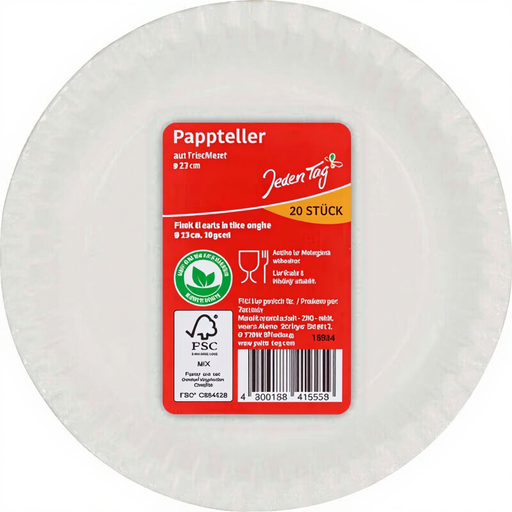
Why it suits this profile: These 20 white paper plates, each measuring 23 cm across, are ideal for smaller gatherings, picnics and easy meals.
The product details clearly state that these plates aren’t suitable for microwaves or boiling liquids, making it easier to plan how to use them.
A 23 cm diameter, food-safe cardboard surface according to the product description, and suitable for hot and cold foods.
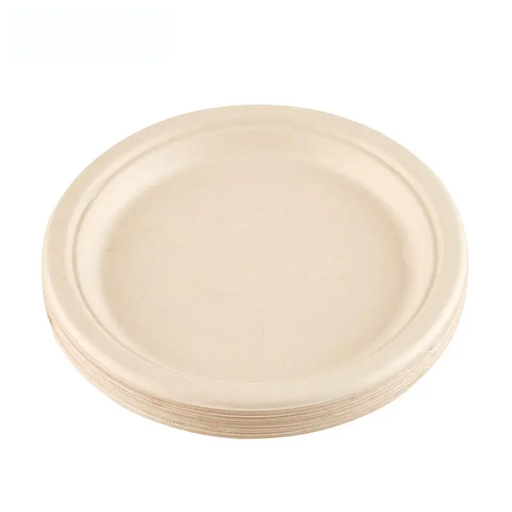
Why it suits this profile: These 22.5 cm sugarcane plates offer a clearly stated size, along with details of their water and oil resistance.
The material, diameter, microwave suitability, and water and oil resistance are all clearly specified. Check local guidance for disposal.
Food-grade sugarcane fibres according to the product description, 20 plates per set, and a size suited to main courses, snacks and desserts.
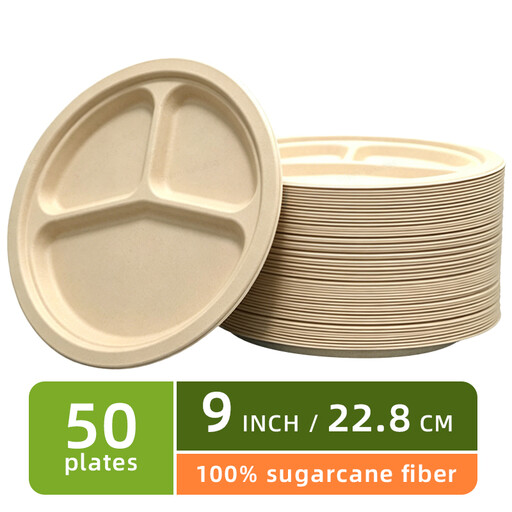
Why it suits this profile: The pack size and 23 cm format are designed for larger gatherings, catering and food service.
The larger pack reduces the risk of underestimating how many plates you’ll need for a big group. Check local rules to make sure you dispose of them correctly.
50 plates, a 23 cm diameter and, according to the product name, three separate sections for different foods.
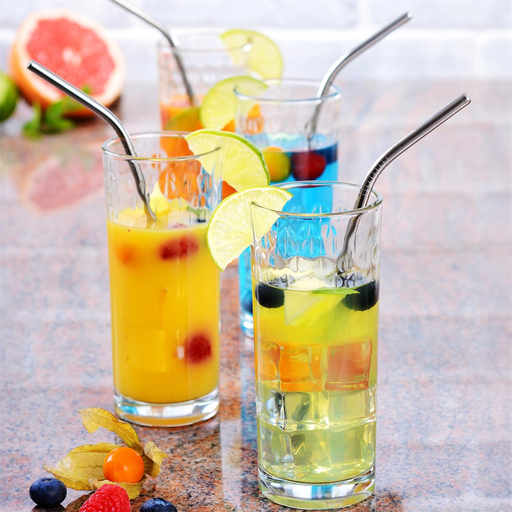
Why it suits this profile: Reusable stainless steel straws are a handy match for disposable plates when serving drinks, whether at home, on a picnic or at a BBQ.
Unlike disposable straws, this set is designed to be used again and again. Clean each piece thoroughly after use and let it dry completely.
Stainless steel, according to the product name, and a 5-piece set designed for repeated use.
We’ve put together a complete, regularly updated list of products that meet these strict selection criteria and fully comply with the safety regulations in force in the EU.
For a well-equipped table, choose plates and bowls to suit your menu. Sustainable bamboo serving platters are ideal for bread, fruit or snacks, but they aren’t the same as disposable plates: they need to be washed and stored somewhere dry. A snack bowl set is useful for serving dips, nuts and small side dishes separately.
A stainless steel travel mug can also be a useful addition for drinks. The LocknLock 550 ml model is listed with a drinking lid and a straw lid. According to the product description, the mug isn’t suitable for use in a microwave, oven or over direct heat.
It depends on the product. Sugarcane plates are often marketed for serving hot food, but the only reliable guide is the specific manufacturer or product information about temperature, grease and moisture resistance.
There’s no blanket rule that they can go in the food waste bin. Local requirements vary, and some composting facilities don’t accept products that are industrially compostable. Read the packaging and check your waste provider’s guidance.
For grilled food and side dishes, plates around 23 cm in diameter are practical. Bowls with enough capacity are better for salads, soups and other liquid foods. For particularly greasy or hot dishes, check the resistance stated in the product description.